




 Weather

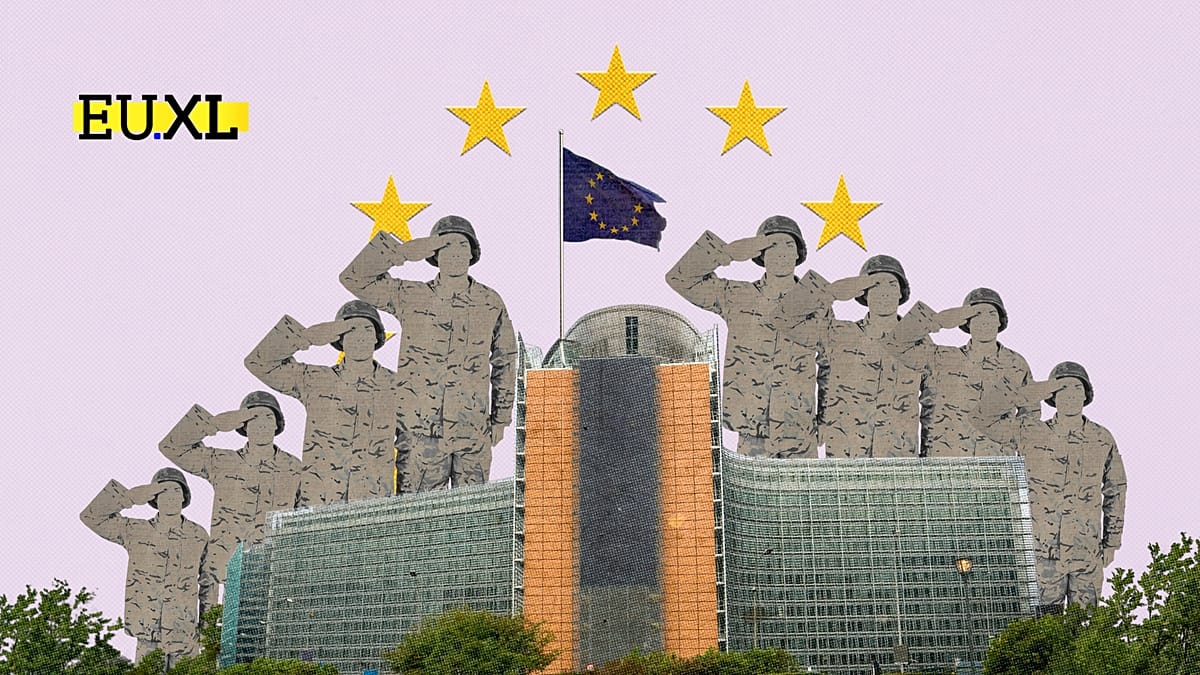
Cyprus has expressed scepticism about the idea of appointing a special European envoy to re-launch dialogue with President Vladimir Putin of Russia to end the war in Ukraine, a proposal that has gained traction as the United States-led peace talks accelerate.
Having just assumed the six-month rotating presidency of the EU Council, the island nation has gained an elevated role in the bloc’s decision-making.
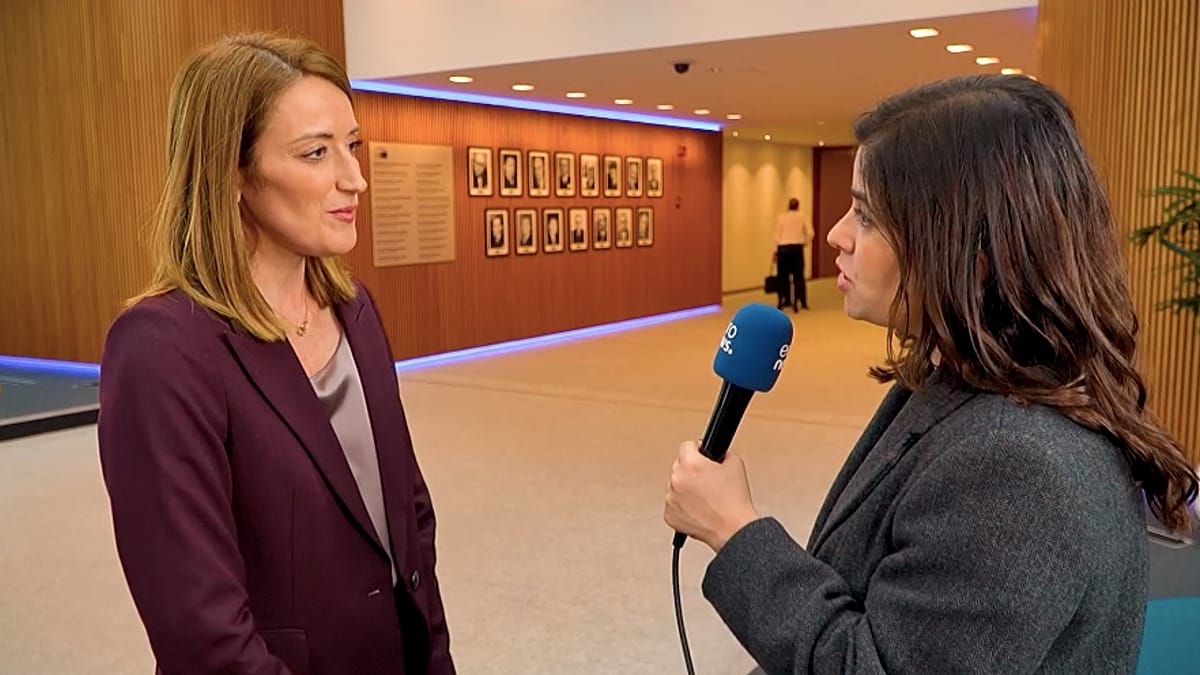
“There is a negotiation taking place that is driven by the United States. There is a clear methodology to that negotiation. The Ukrainian side is participating in those negotiations,” Cypriot Foreign Minister Constantinos Kombos told a group of visiting journalists, including Euronews, during a briefing in Nicosia on Wednesday morning.
“I don’t think it’s the right time to try and find new ways of changing the whole structure and methodology. At least from the information we’re having, (the talks) are progressing in a direction that Ukraine says is creating some serious hope.”
French President Emmanuel Macron and Italian Prime Minister Giorgia Meloni have recently made an explicit plea for Europe to reopen direct channels of communication with the Kremlin, which were abruptly cut off in February 2022.
Macron and Meloni argued that Europe needs to establish its own conduit to Putin to avoid excessive reliance on Washington, which currently is the sole intermediary between Moscow and Kyiv.
“I believe the time has come for Europe to also speak with Russia,” Meloni said last week. “If Europe decides to take part in this phase of negotiations by talking only to one of the two sides, I fear that in the end the positive contribution it can make will be limited.”
On Monday, the European Commission publicly opened the door to resuming diplomacy with the Kremlin “at some point”, while cautioning that the relentless bombing campaign Russia is waging against Ukraine makes such a move impossible at this stage.
“Unfortunately, we’re not seeing any signs (from) President Putin to be engaging in such talks, so we’re not there yet, but, at some point, we would indeed hope that there will be such talks that will finally lead to peace in Ukraine,” a Commission spokesperson said.
For now, Cyprus prefers to stick to the collective stance of diplomatically isolating Russia for its grave breaches of international law, Kombos said. Only Hungary and Slovakia, two vocal critics of aid to Ukraine, have broken ranks to foster closer ties with Russia.
“The bigger question is the presence, or lack of presence, of the European Union in this kind of discussion. That’s a very serious, bigger question, but at the same time, the long-standing positions are there, and they are to be respected and rightly so,” he added.
“So let’s remain supportive of the (peace) effort. We are always in touch with the Americans on this matter, and we need to support the process as it’s been progressing.”
‘Creative’ approach to Ukraine’s accession
As the rotating presidency, Cyprus will be tasked with steering discussions on a crucial element of the peace process: Ukraine’s accession to the EU.
Kyiv is pushing to include a fixed date of membership in the 20-peace plan as part of the security guarantees to deter a new Russian aggression. Some Ukrainian officials consider admission to the bloc a means of offsetting the pain of potential territorial concessions.
Determining the pace of a state’s accession through a peace treaty is unprecedented for the EU, which treats enlargement as a painstaking multi-chapter process that takes years to complete and requires candidate countries to pass complex pieces of legislation.
Marilena Raouna, Cyprus’s Deputy Minister for European affairs, said the integrity of accession would be upheld but treated through the lens of geopolitics.
“Yes, enlargement is a merit-based process, but at the same time, it doesn’t operate in a vacuum. In the case of Ukraine, we understand what is at stake,” Raouna told journalists at the same Wednesday briefing.
According to Raouna, the question of accession within the peace process was discussed when Ukrainian President Volodymyr Zelenskyy visited Cyprus last week and met with President Nikos Christodoulides, together with European Commission President Ursula von der Leyen and European Council President António Costa.
As a starting point, the Cypriot presidency will focus on helping Ukraine advance as much technical work as possible to ensure that, once the Hungarian veto is lifted, the country will be able to open negotiating clusters at a faster pace, Raouna explained.
“Once we have a peace agreement, we will be working on the implementation of that peace agreement,” she added.
European officials hope that, if the peace deal is ever finalised, US President Donald Trump will convince Hungarian Prime Minister Viktor Orbán to drop his opposition to Ukrainian accession.
Orbán, however, is heading for a highly competitive re-election in mid-April and is unlikely to make compromises any time soon.
Read the full article here