



 Weather
NEWYou can now listen to Fox News articles!
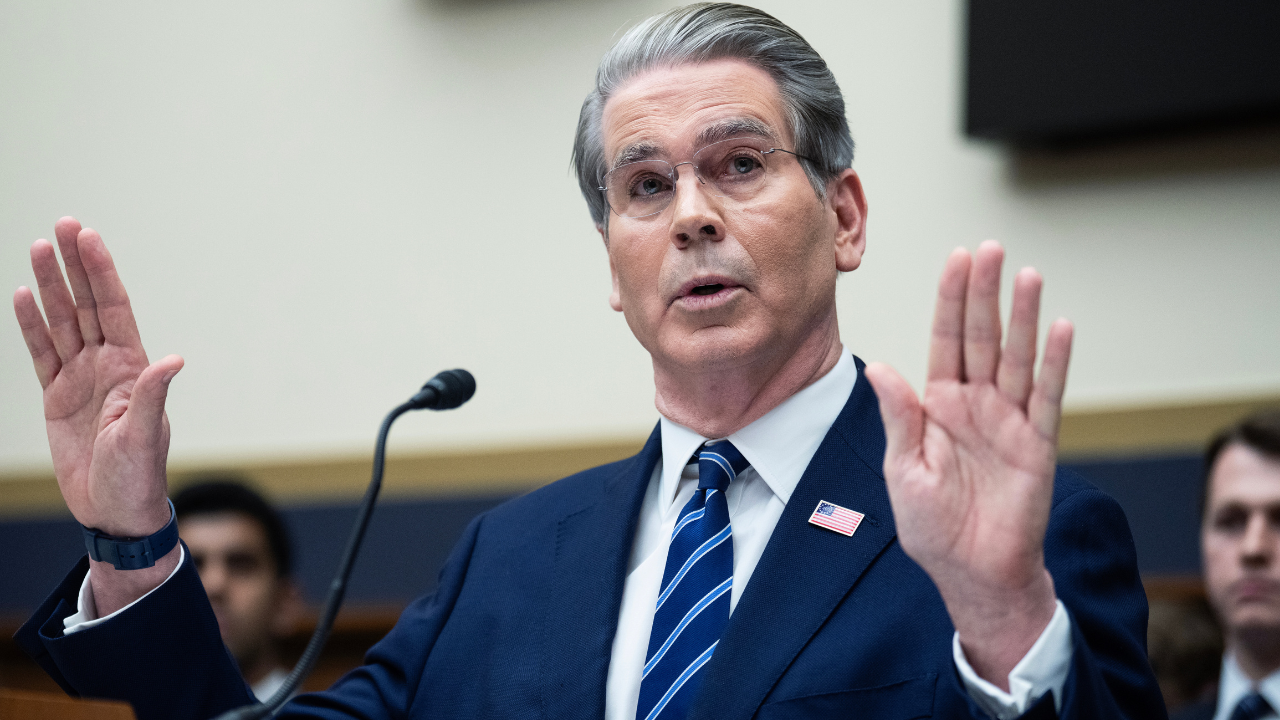
Rep. Maxine Waters, D-Calif., and Treasury Secretary Scott Bessent clashed on Wednesday over President Donald Trump’s economic agenda, with the irate congresswoman asking at one point if someone could “shut him up.”
The fiery exchange occurred during Bessent’s testimony before the House Financial Services Committee. Waters, the committee ranking member, posed a series of questions about the inflationary impact of Trump’s tariffs on American consumers — and demanding a yes-or-no answer.
TRUMP’S ECONOMIC WINS ARE REAL — NOW HE NEEDS TO CONVINCE THE COUNTRY
Waters: So I ask you, Secretary Bessent, will you be the voice of reason in this administration and urge President Trump to stop waging a war on American consumers, harming housing affordability, and putting the economy at risk? Yes or no. You don’t have to explain.
Bessent: Representative—
Waters: Will you be the voice of reason? Will you be the voice of reason?
Bessent: A study from Wharton University has shown—
Waters: Reclaiming my time. Reclaiming my time. Mr. Chair, will you let him know when I ask to reclaim my time—
Rep. French Hill, R-Ariz., House Financial Services Committee Chairman: The time does belong to the gentlewoman from California.
A COMPLETE TIMELINE OF TRUMP’S TARIFF IMPLEMENTATION STRATEGY ACROSS THE GLOBE
Bessent: Ten to twenty million immigrants—
Waters: Can you shut him up?
Bessent: What about the housing stock for working Americans? And can you maintain some level of dignity?

Hill: The gentlewoman’s time has expired.
Waters: No, my time has not expired.
Hill: Your time has expired. The gentleman—
Waters: The gentleman took up my time. I think you should recognize that, Mr. Chair.
Hill: The gentlewoman’s time has expired.
CLICK HERE TO DOWNLOAD THE FOX NEWS APP
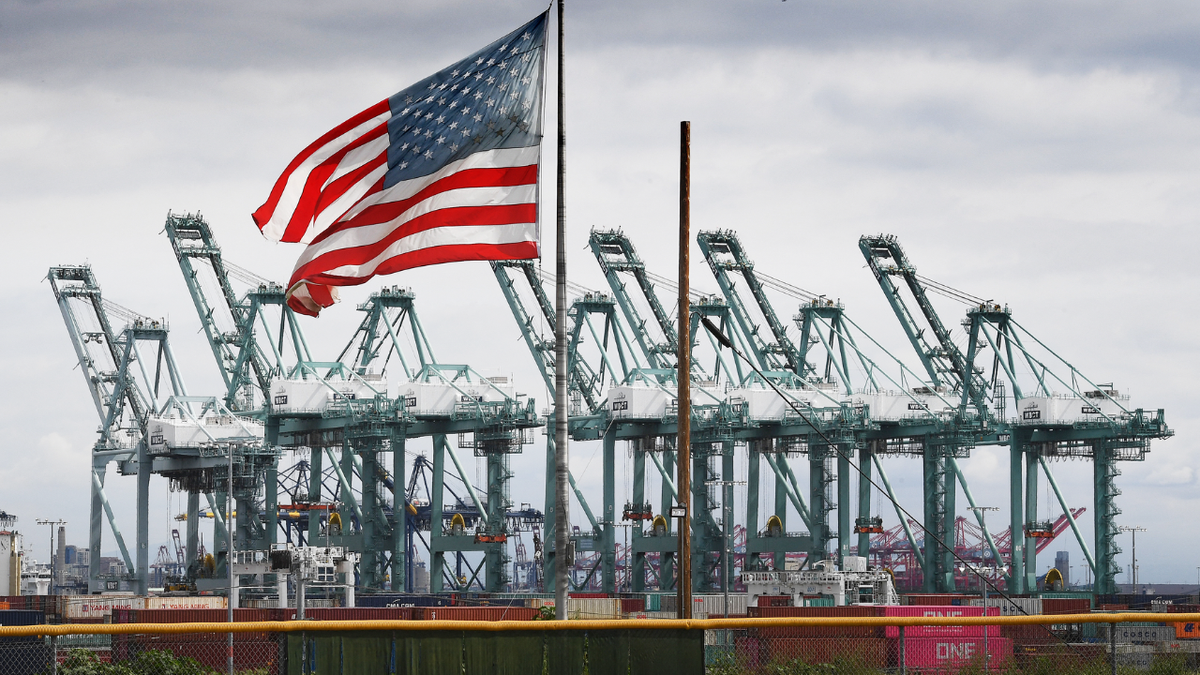
Bessent’s testimony comes as the Trump administration awaits a Supreme Court ruling on whether some of the trade duties imposed in 2025 exceeded presidential authority, a decision that could have broad implications for current tariff actions.
Tariffs are taxes levied on imported goods. Although they are paid by companies at the border, the costs are often passed along through higher prices, leaving consumers to bear much of the burden.
Read the full article here