





 Weather

When it comes to planning a winter getaway, the chances are you might be thinking of heading to Europe’s Alpine destinations in France, Switzerland or Austria.
ADVERTISEMENT

ADVERTISEMENT
But if you fancy a mid- to long-haul trip away from the continent, Asia has much to offer with snow-covered mountains, ski slopes and a host of resorts worth exploring.
From the landscapes of South Korea, Vietnam, Lebanon and beyond, these destinations deserve a place on your radar for skiing, snowboarding and other winter adventures.
Karakol Ski Resort, Kyrgyzstan
Kyrgyzstan is definitely worth adding to your winter travel bucket list. Picture fresh powder as far as the eyes can see, amid sweeping views of conifer forests.
On the outskirts of Karakol, a Kyrgyz destination for adventure, the Karakol Ski Resort sits at an altitude of 3,040 metres above sea level in the Tian Shan mountain range, which sprawls across the country, as well as China, Kazakhstan, Uzbekistan and Tajikistan. It is also the highest ski resort in Central Asia.
The season usually runs from late November through to April, with the high season being from 31 December to 10 January. During the winter, daytime temperatures rarely drop below -5C, alongside many sunny days.
Aside from the mild climate, there are an array of residences, from hotel rooms to chalet cottages, within the vicinity.
Mzaar Ski Resort, Lebanon
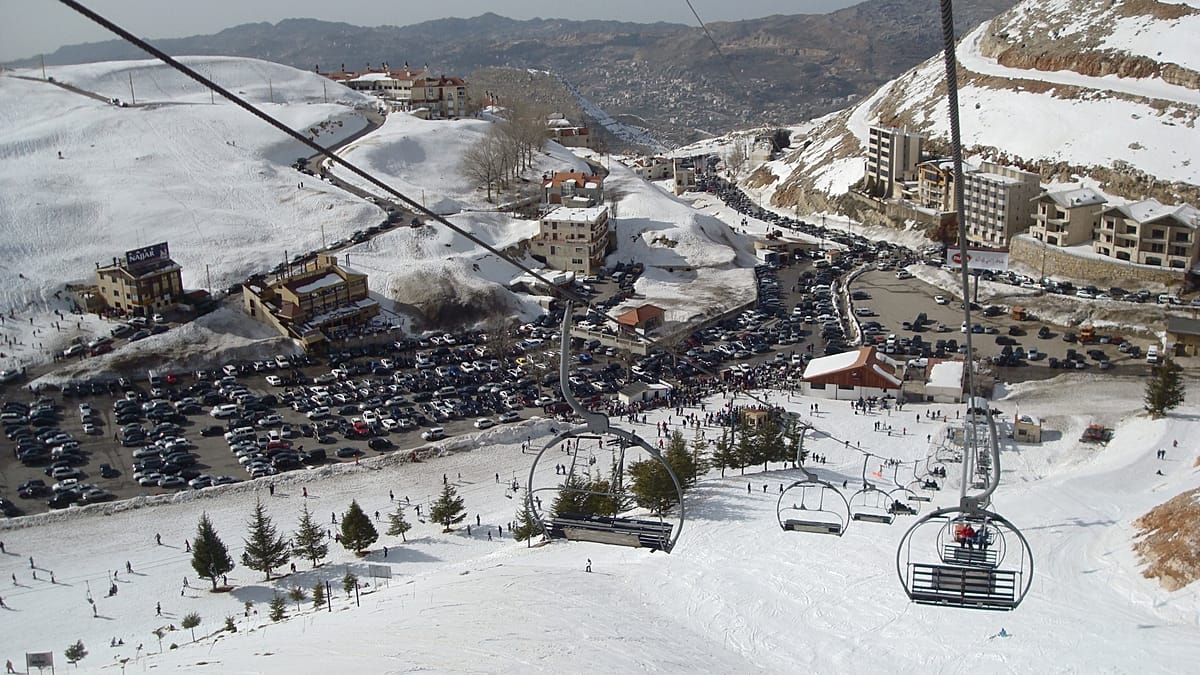
Self-styled as being “above the ordinary”, the Mzaar Ski Resort is perched above the mountain village of Kfardebian and overlooks the breathtaking Lebanese peak, Mount Sannine.
On offer are 115 kilometres of slopes, 19 lifts and a summit at 2,465 metres, making it the largest ski area in the Middle East. Aside from skiing and snowboarding, the winter season is ideal for ziplining over the mountain or riding aboard a snow groomer.
After a long day outdoors, the resort’s wellness area is replete with sauna and cold plunge facilities. While there is an outdoor pool, the indoor one is a year-round option for guests to have a swim and unwind.
Accommodation options include the InterContinental Mzaar Mountain Resort & Spa, which has direct access to the 80km Mzaar Ski Domaine, and L’Escale Du Mzaar, which is just 40m from the first chairlift and has chalets and a ski shop.
O2 Ski Resort, South Korea
This resort in South Korea offers speedy rides 1,420 metres above sea level.
Located in the city of Taebaek, O2 Ski Resort has 16 slopes and six lifts, including one which goes up to the top of Hambaek Mountain, where visitors can take in sweeping views.
Facilities include an extreme park, half pipe and a 136m-long snow sledge, with snow made from Han and Nakdong river sources.
Via the gondola, visitors can head to the resting spot at the highest peak, Eutteum Maru, which overlooks the Baekdu mountain range. Beogeum Maru also offers skiers a place to rest, and is easily accessible to novice visitors as it sits between the beginners’ slopes.
Sapa, Vietnam
While Southeast Asia isn’t famed for its snowy landscapes, you should also add Vietnam to your winter must-visit lists.
When the temperature drops over the Hoàng Liên Sơn mountain range – the country’s highest peaks – frost and the occasional dusting settle over rice terraces.
In Sapa, the town can transform into a snowy sight from December to late January – occasionally extending into early February. During this time, the air becomes crisp, the mountains become capped by snow and the waterfalls also freeze over.
Vietnam Airlines recommends travellers to add Fansipan Mountain to their Sapa itineraries, which stands at 3,143 metres. The country’s highest snow-capped peak is accessible via the Sun World Fansipan Legend cable car.
The carrier also suggests paying Bát Xát Commune a visit, as it receives some of Sapa’s heaviest snowfall during the winter. The remote retreat’s rice terraces and forests become pearly white landscapes during this time.
Meanwhile, Thác Bạc, or the Silver Waterfall, which is on the outskirts of Sapa, is a 200-metre cascade that frequently freezes.
Shahdag Mountain Resort, Azerbaijan
On the outskirts of Gusar city in Azerbaijan’s Greater Caucasus mountain range, the Shahdag Mountain Resort takes its name from Mount Shahdag, which stands 4,243 metres above sea level. This ski and snowboarding playground features 45 kilometres of pristine terrain, including a selection of 37 slopes and a network of 20 lifts.
Winter paintballing, mountain trekking, snow tubing as well as horseback riding are some of the other activities on offer at the resort during the winter. Visitors are also spoiled for choice when it comes to dining with more than 20 venues among five hotels.
At the backdrop of all this are pristine glaciers, deep ravines, stunning canyons and a variety of flora, fauna and wildlife.
Shymbulak Mountain Resort, Kazakhstan
The Shymbulak Mountain Resort is located in the gorge of Trans-Ili Alatau, within the city limits of Kazakhstan’s cultural hub, Almaty. The resort itself sits at an elevation ranging from 2,200 metres to 3,180 metres above sea level.
With a total of 10 lifts, adventure travellers are treated to slopes with a total length of up to 20 kilometres and elevation difference of up to 920 metres for both beginners and experts.
The resort features a range of accommodation options, including the Nero Bianca high mountain chalets, which features its own sauna.
Meanwhile, the Le Mont boutique hotel welcomes guests, including those with four-legged companions. It has a viewing platform, with the panorama of Almaty and snow-capped peaks on display. Other options include Shymbulak Resort Hotel and Tenir Eco Hotels.
Zao Onsen Ski Resort, Japan
The Zao Onsen Ski Resort in Yamagata sits amid mountains and vast wilderness, offering a winter playground where the longest run is more than 10 kilometres long.
The Japanese resort features 32 lifts, ropeways and a gondola that goes up to the 1,661-metre summit station. Experienced skiers can enjoy ski jumps, while there are also routes that run through forests for skiers and snowboarders alike.
At the top lifts, keep an eye out for what the locals call “Juhyo”, or snow monsters, that the area is known for during the peak of winter in February.
A combination of Siberian winds and heavy snowfall turn the Alpine trees into giant, monster-like figures. There’s even a Zao Snow Monster festival where snow monster mascots entertain visitors.
Read the full article here