


 Weather

NEWYou can now listen to Fox News articles!
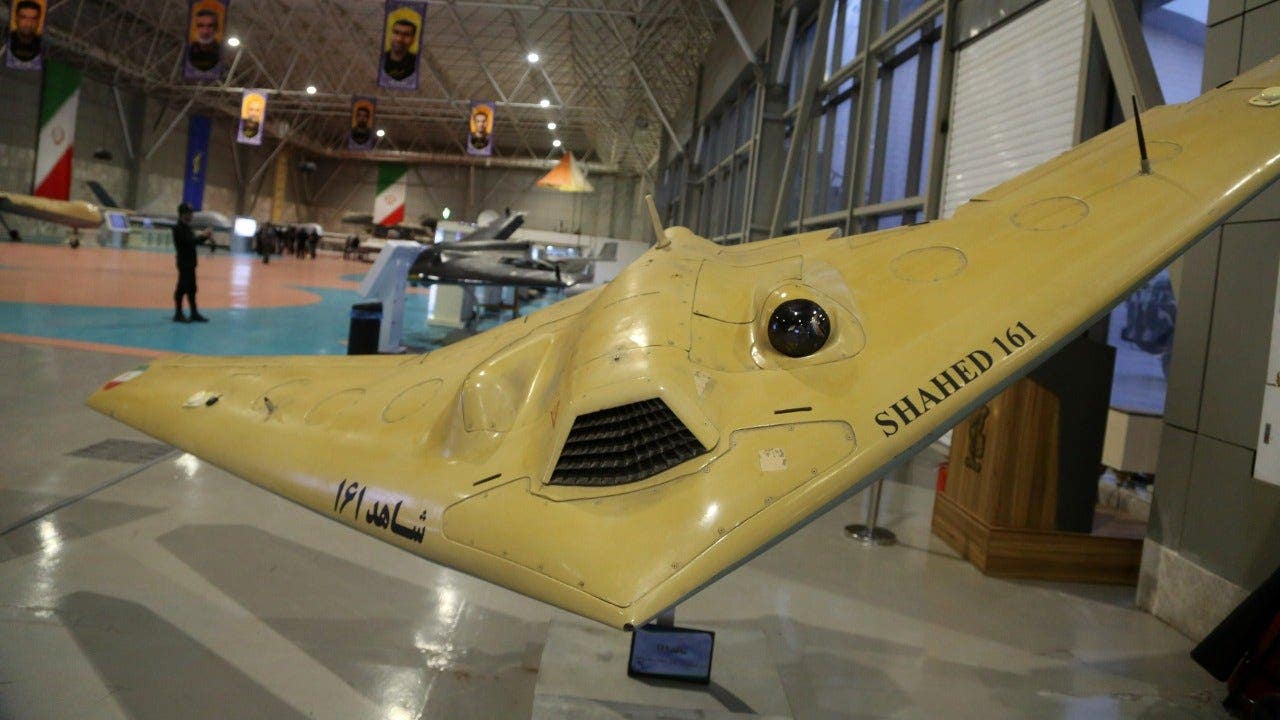
Iran fired drones toward what it said was a U.S. military radar system in Bahrain on Tuesday, marking the third strike in five days after a roughly two-month lull in the conflict, Reuters reported.
Iran’s Islamic Revolutionary Guard Corps (IRGC) said its target was the radar system at the Sheikh Isa base in Bahrain, which is home to the U.S. Fifth Fleet.
Bahrain said its air defenses intercepted the incoming drones after authorities issued a security alert urging residents to seek shelter. Officials announced an all-clear later in the morning, with no deaths or injuries reported.
U.S. Central Command (CENTCOM) also addressed the Iranian drone strikes, saying they didn’t hit their intended target. The drones were “intercepted without any damage to U.S. equipment or injury to American personnel,” CENTCOM said.
IRAN’S DRONE HUNT ESCALATES AS TEHRAN TARGETS US SPY TECH TO EXPOSE BATTLEFIELD SECRETS
The attempted attack followed another wave of Iranian aerial strikes that Bahrain repelled on Sunday, when the IRGC claimed six of its drones targeted a radar system at the Al-Riffa helicopter base.
That strike came two days after Friday’s initial attempt against a U.S. radar installation in Bahrain — the first major attack after the two-month pause. U.S. Central Command said American forces shot down both drones in that incident, with no casualties or injuries.
Reuters previously reported that President Donald Trump has told advisors that he may not attack Iran again if there are no more provocations from the IRGC or the Houthis, an Iran-backed terrorist group in Yemen.

TRUMP KEEPS SIGNALING AN END TO IRAN WAR, BUT EXPERT WARNS A CRUCIAL PIECE OF HIS STRATEGY IS MISSING
Trump has said he plans to maintain the naval blockade on Iran, essentially putting the country’s economy into a vice grip. He said the blockade will remain in place as long as Tehran seeks to disrupt traffic in the Strait of Hormuz.
In recent days, attacks on tankers have increased in the strait, still one of the world’s most vital transit routes for global energy supplies.

CLICK HERE TO DOWNLOAD THE FOX NEWS APP
Oman and Iran have discussed ways to manage shipping through the strait, which carried roughly one-fifth of global oil supplies each day prior to the conflict.
The U.S. has not been part of those bilateral talks, and Trump has signaled he would reject any transit arrangement negotiated without Washington that gives Tehran control over the waterway.
Reuters contributed to this report.