




 Weather

NEWYou can now listen to Fox News articles!
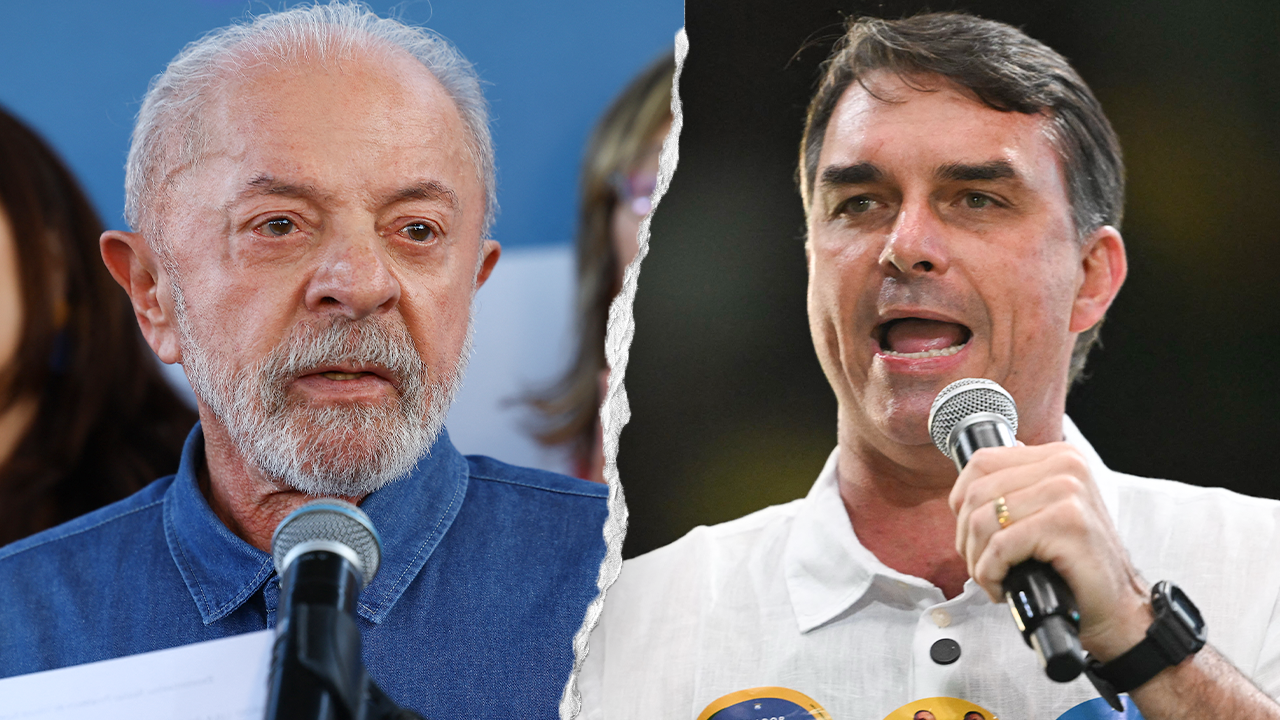
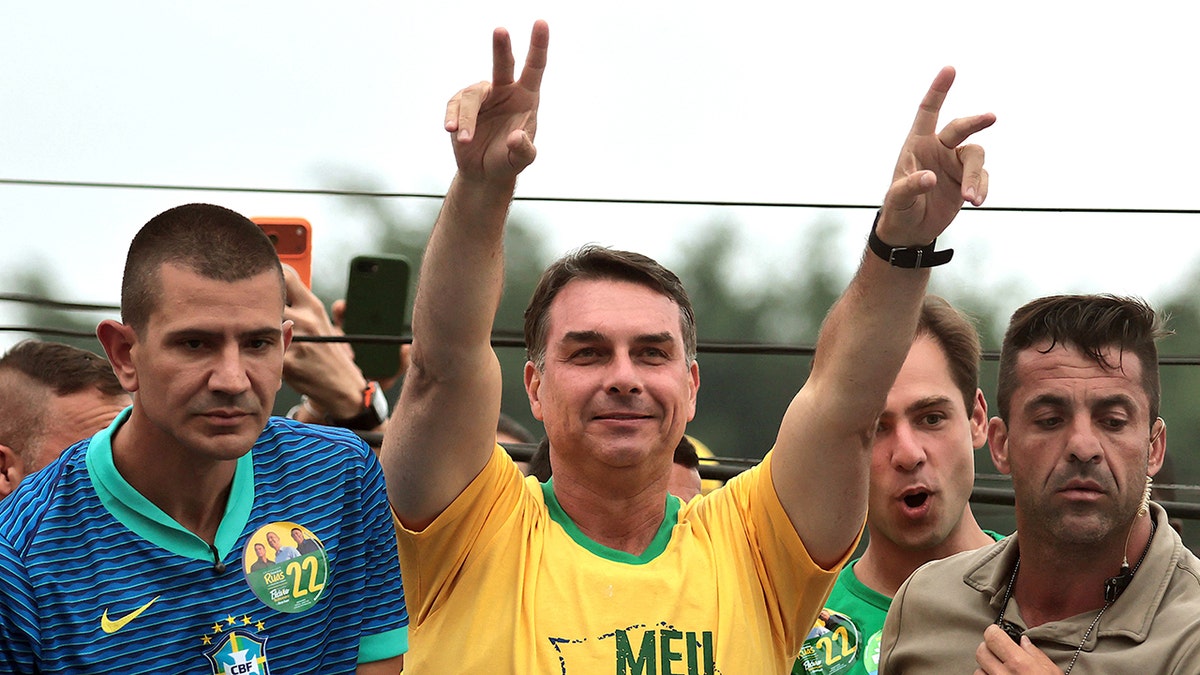
Brazil’s estimated 158 million voters could advance Latin America’s conservative wave in Sunday’s election as the continent’s most populous nation could elect conservative Sen. Flavio Bolsonaro as its next president.
The first round election three weeks ago saw a strong performance by Bolsonaro, proving the polls wrong. While incumbent President Luiz Inacio Lula da Silva (Lula) had been predicted to take the first round by single digits, Bolsonaro ended up winning 47% to Lula’s 45%. As neither candidate won a majority, the election went to a second round.
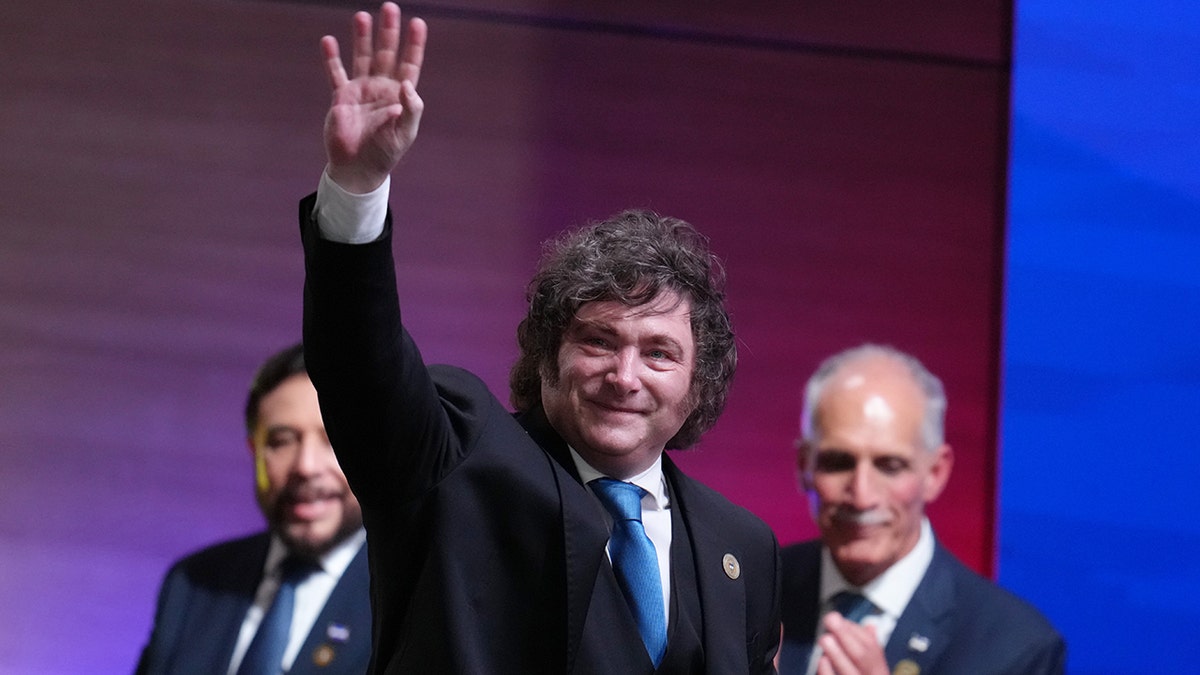
Brazil’s election follows a long string of victories for the Latin American right across Central and South America that started with the election of Libertarian outsider Javier Milei in Argentina in 2023.
BOLSONARO WINS FIRST ROUND OF BRAZILIAN PRESIDENTIAL ELECTION, AS TRUMP-BACKED CANDIDATES CONTINUE RED WAVE
2025 saw a right-wing sweep across the region, as Ecuador, Bolivia, Honduras and Chile all voted for conservative heads of state.
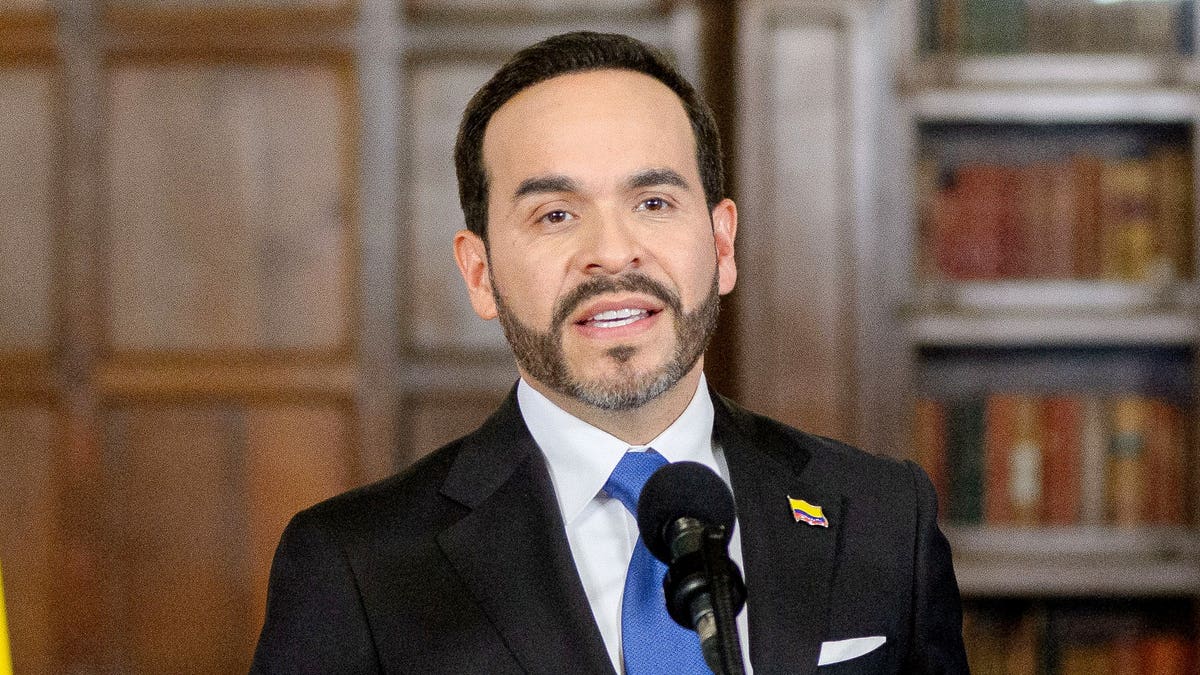
In 2026, Keiko Fujimori narrowly defeated a left-wing candidate to win the Peruvian presidency, while most recently, in Colombia, conservative attorney Abelardo de la Espriella bested left-wing Senator Ivan Cepeda.
Bolsonaro’s slate of congressional candidates also fared well, ensuring that Brazil will have one of the most conservative congresses in years, and a legislative branch aligned with Bolsonaro’s goals, or ready to thwart Lula’s agenda.
The two candidates met Friday night for the final debate in Rio de Janeiro, which featured a series of questions organized around Brazil’s five geographic regions. While the debate featured some heated personal exchanges, it appears unlikely to have moved the needle in either direction heading into a close race.
TRUMP’S WAR ON DRUG CARTELS COULD GAIN POWERFUL NEW ALLY AFTER PIVOTAL ELECTION
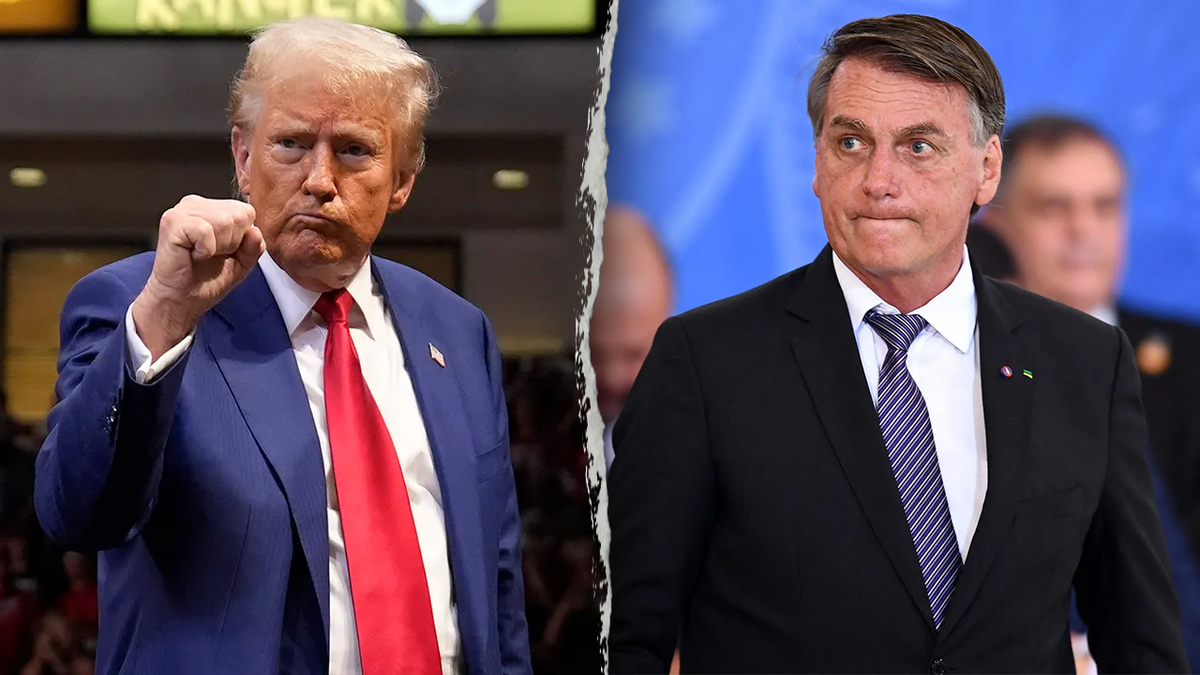
President Donald Trump has heralded these electoral results as vindication for his hardline approach to security, crime, and migration policies, as well as a stamp of approval for the new Shield of the Americas initiative.
The Trump administration counts on considerably more close allies now than it did at the beginning of Trump’s second term.
Yet, the question remains: why is the region resoundingly rejecting the left and progressivism?
Many of the elections have been won by narrow margins, with Brazil being a case in point: Lula bested Jair Bolsonaro in 2022 by just 1.8%. While many Latin American nations remain deeply polarized, there is no denying a right-wing resurgence.
Commentators appear to be expressing a rejection of progressive movements amid growing concerns over safety and security, giving approval to proposals to dramatically ramp up police and military presence to combat crime and drug trafficking.
Meanwhile, leftist parties seem unable to capitalize on recurring concerns over inflation and kitchen table economics, which have played into the hands of the Latin American right, as working class and middle class voters have felt the pinch of rising food, housing and energy costs.
In addition to social and economic concerns, the specter of Jair Bolsonaro also looms over the election. Flavio Bolsonaro has pledged to free his father, who is currently serving a 27-year sentence on house arrest for allegedly plotting a coup in the wake of the 2022 election.
Lula was also sentenced to a 12-year prison sentence on corruption charges stemming from the infamous Operation Car Wash, until he was freed on a technicality by the Brazilian Supreme Court, and rose from the ashes to win the 2022 presidential election.
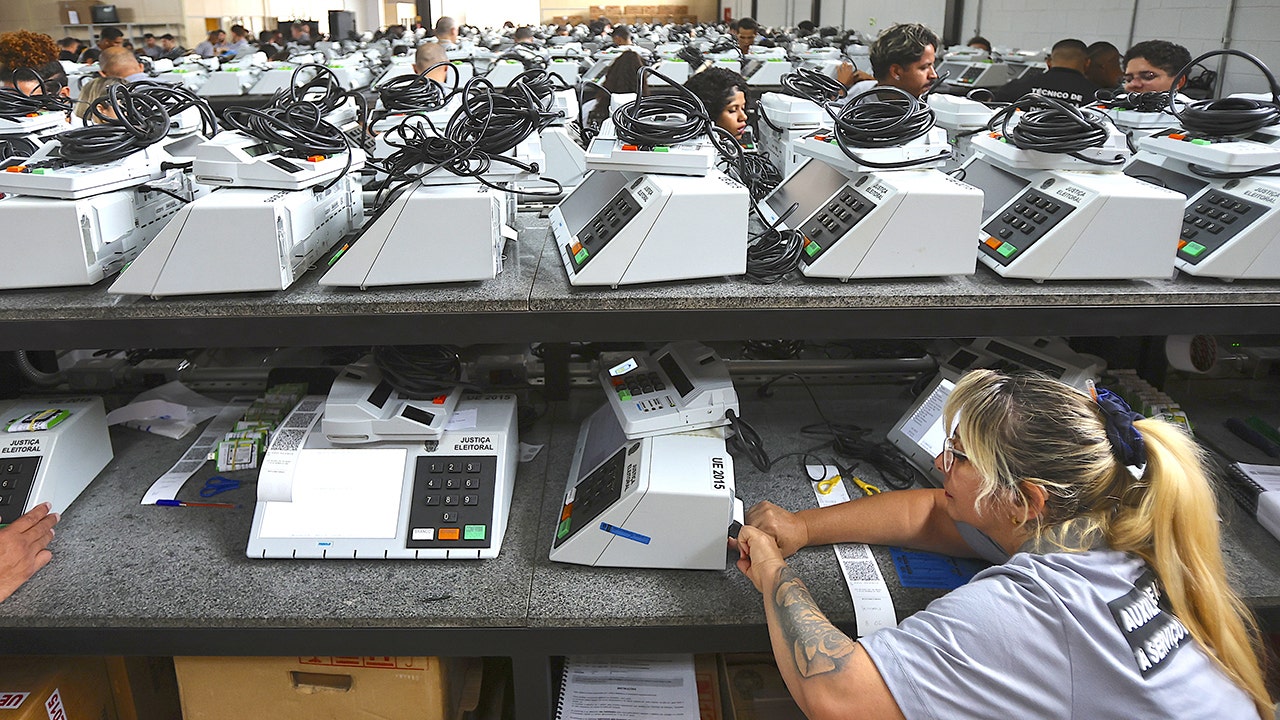
BRAZIL’S RAPID ELECTION COUNT PUTS SPOTLIGHT ON VOTING SECURITY AHEAD OF US MIDTERMS
Bolsonaro has narrowly led in recent polls, and enters the second round with some structural advantages. Most importantly, he enjoys the backing of three of the four other major candidates in the race, who failed to advance to the second round.
Self-help author Augusto Cury, former Goias Governor Ronaldo Caiado, and former Minas Gerais Governor Romeu Zema all officially backed Bolsonaro in the second round.
Entrepreneur Renan Santos, candidate for the Mission Party, declined to endorse either candidate. However, as his political movement is characterized as free-market and libertarian, these voters are also more likely to trend to Bolsonaro.
Thus, Lula needs to win a significant majority of first round voters who backed right-wing or center-right candidates. It’s a daunting, but not impossible, proposition.
The entire election may hinge on voters who are voting against a candidate, as much as for a candidate.
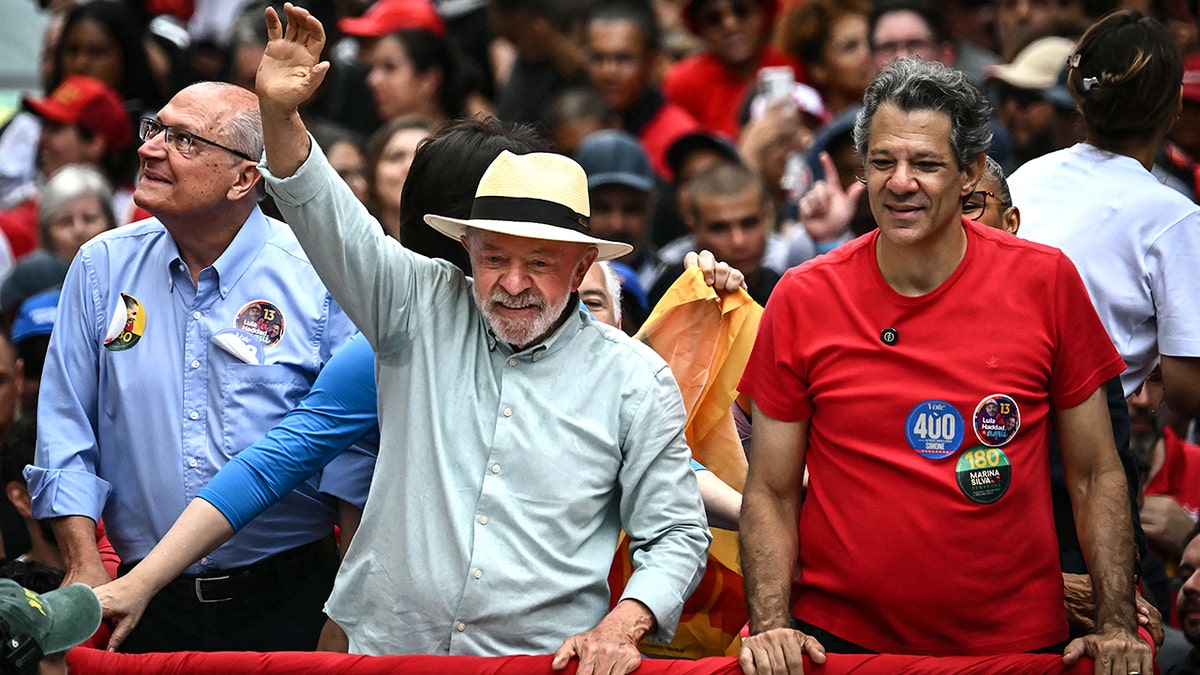
Another question looming over the election: has Lula finally worn out his welcome with the Brazilian electorate?
This will be Lula’s seventh time in 40 years appearing on a presidential ballot: he lost elections in 1989, 1994, 1998, won in 2002, 2006, and 2022.
Lula famously promised to serve only one term when he ran to oust Jair Bolsonaro in 2022.
On October 25, 2022, just five days before the last second round presidential election, he posted on his official X account: “If elected, I will be a single-term president.”
It was a promise that he did not keep.
CLICK HERE TO DOWNLOAD THE FOX NEWS APP
Various polls have shown that voters are not happy with the course of Lula’s third term, and even a sizable percentage of Lula backers in 2022 responded with pessimism on the prospect of an unprecedented fourth term.
However, a large percentage of the Brazilian electorate also consistently rejects the prospect of voting for another Bolsonaro for president.
Lula is unquestionably the dominant figure in Brazilian politics over the past half-century. But will his magnetism and charisma be enough to overcome the right-wing resurgence sweeping the continent?