


 Weather
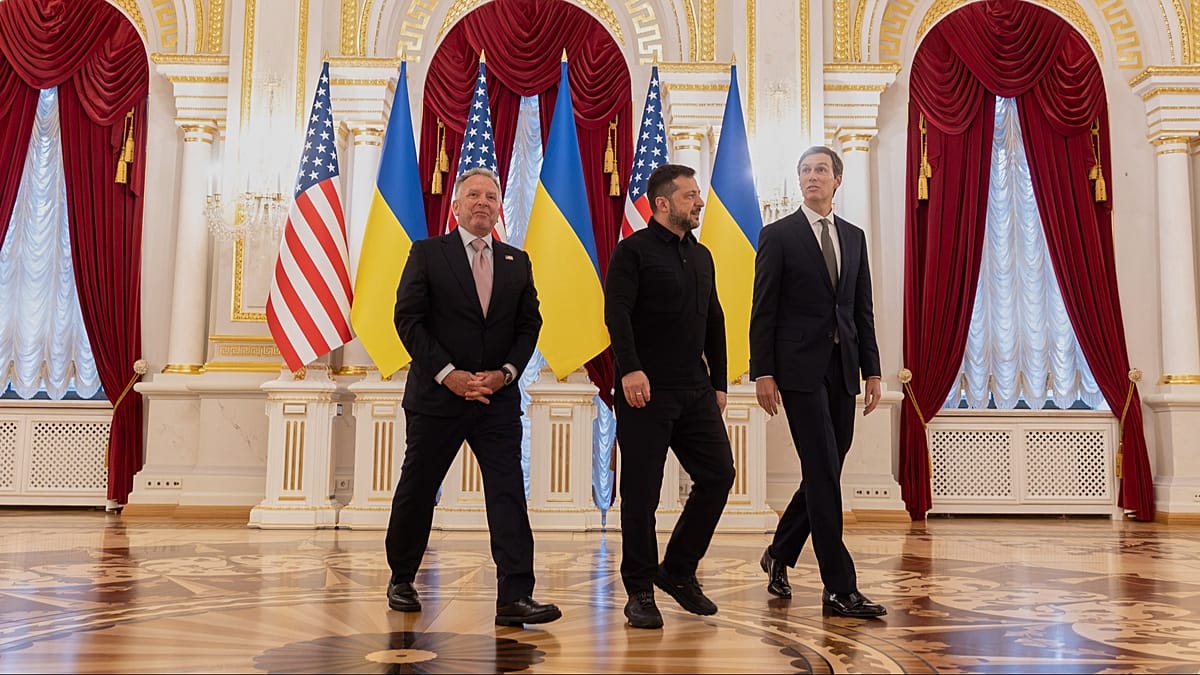
High-level officials from Ukraine and Europe have flown to Miami, Florida, to take part in a new round of peace negotiations to end Russia’s full-scale invasion amid a new wave of escalation that has battered Ukrainian cities and killed scores of civilians.
ADVERTISEMENT

ADVERTISEMENT
The talks, set to take place on Friday and Saturday, will be hosted by Steve Witkoff and Jared Kushner, the US special envoys, and will discuss several options to break the diplomatic impasse ahead of a winter expected to be the harshest yet of the war.
Witkoff and Kushner’s recent trips to Moscow and Kyiv will inform the deliberations.
Among those options is a targeted ceasefire, covering the Black Sea, a vital trade route for shipping grain to low-cost nations, and/or energy facilities, which Moscow has hit at a relentless pace. Kyiv has responded in kind, striking Russia’s oil refineries.
“I’m not yet ready to say what might be realistic or more realistic. In principle, I understand, but I don’t want to say anything, only for Russia, as always, to do the opposite just to be spiteful,” Ukrainian President Volodymyr Zelenskyy said on Thursday in a voice note sent to journalists.
“Let’s wait and see. We are seeing an intensification of talks and meetings on the part of the United States,” he added.
“I myself have spoken three times in recent days with the American side and am hopeful for a positive outcome from the meeting between our negotiators.”
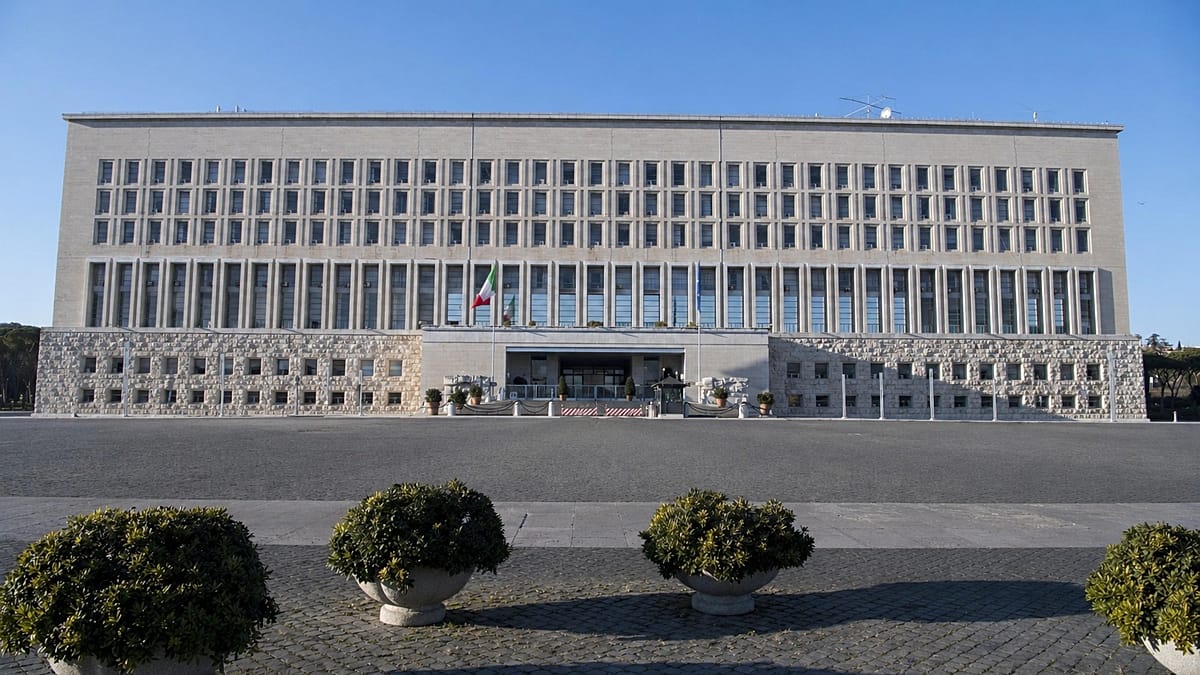
Zelenskyy said his team would comprise Kyrylo Budanov and Sergiy Kyslytsya, head and deputy head of the president’s office; Davyd Arakhamia, leader of the ruling party in the Parliament; and Rustem Umerov, head of the Foreign Intelligence Service.
They are expected to be back in Kyiv on Monday morning to brief the president.
“There are things we cannot talk about, but we must remain wise, united, and support our military. Peace is not achieved through grand statements – it’s hard, collaborative work, and we’re working on it,” Budanov said on social media ahead of the trip.
The European side will be represented by the national security advisors of the so-called E3: France, Germany and the United Kingdom. The three countries lead the “Coaltion of the Willing” to provide future security guarantees for Ukraine.
The European Commission will also take part, a spokesperson confirmed to Euronews. NATO has sent its chief of staff, Geoffrey van Leeuwen, an official said.
Russia will not participate.
The Miami meeting comes after several media reports suggested that Washington is exploring business deals with Moscow that could be signed even before a final peace deal is reached. The reports have alarmed Ukrainians and Europeans, who have long feared economic interests would trump diplomacy in the White House’s vision.
Zelenskyy took exception after US Secretary of State Marco Rubio said the war was stuck in a “diplomatic stalemate” with risk of an escalatory spillover.
“One cannot, on the one hand, negotiate with the Russians about future economic projects, whilst on the other hand say that we find ourselves in some sort of diplomatic stalemate,” he said as he visited the site of a Russian attack.
Zelenskyy also urged the US to expand the use of Starlink satellite service inside Russian territory to help Ukraine target ballistic-missile launchers.
European officials have actively engaged in the US-led process, arguing their security architecture is directly at stake. Following the cut-off of American aid, the continent is now the main provider of financial and military support for Ukraine.
However, scepticism over Moscow’s intentions runs deep. The Kremlin has once again dismissed the possibility of a trilateral meeting at the leaders’ level.
“We cannot have our vested hopes in (these talks) because we don’t see that Russia is ready at all to negotiate in good faith,” a senior EU official said on Friday.
“But with stronger US pressure, hopefully, on Russia, and European influence over those talks, there is also a track that can lead to a partial ceasefire that Ukraine has been asking for and is ready to commit to.”
Sasha Vakulina and Shona Murray contributed reporting.
Read the full article here