



 Weather
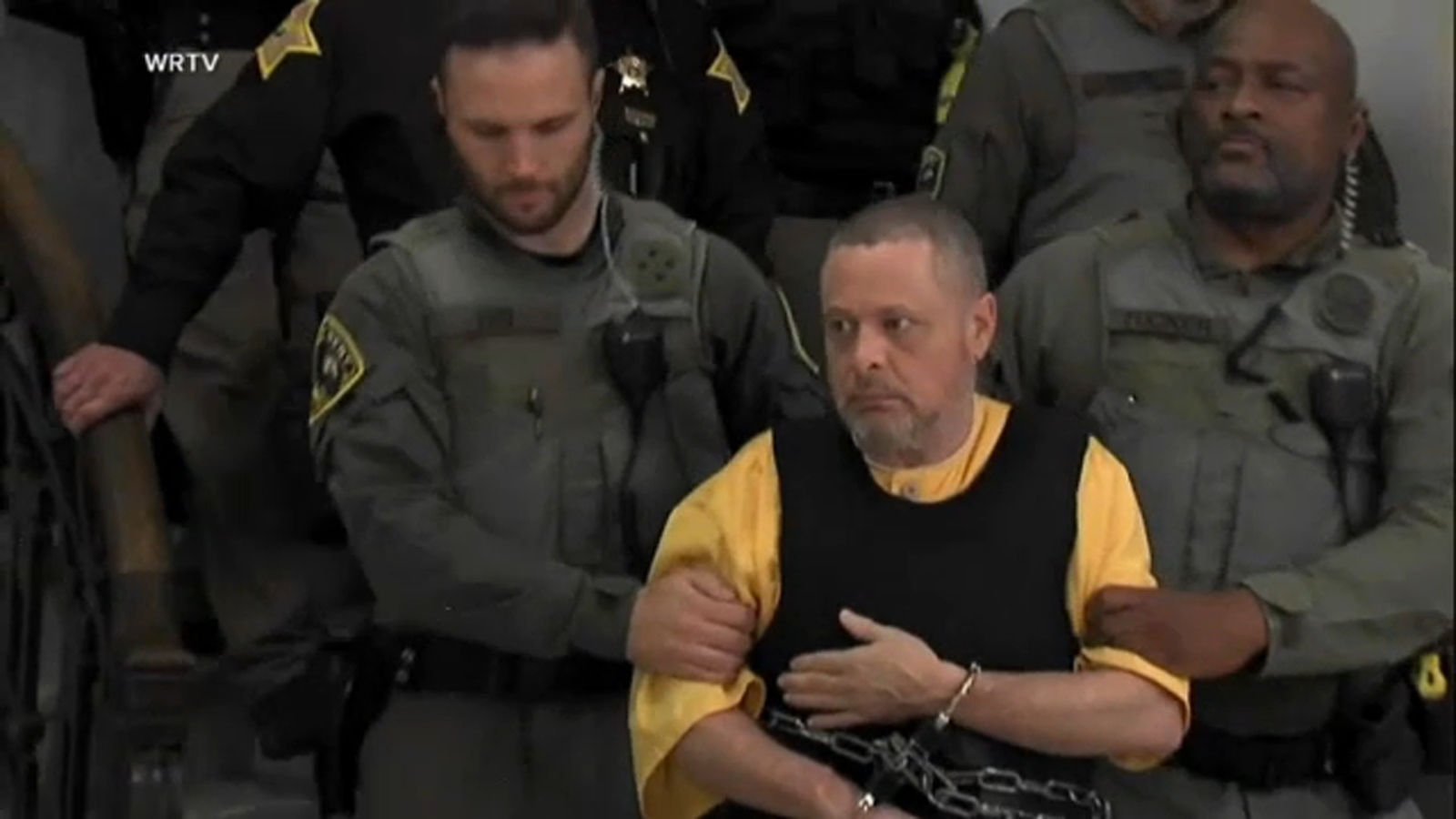
DELPHI, Ind. (WLS) — The Indiana Court of Appeals heard arguments on whether Richard Allen received a fair trial in his 2024 murder conviction, a case that centers not on his guilt or innocence but on whether legal errors affected the outcome of the proceedings.
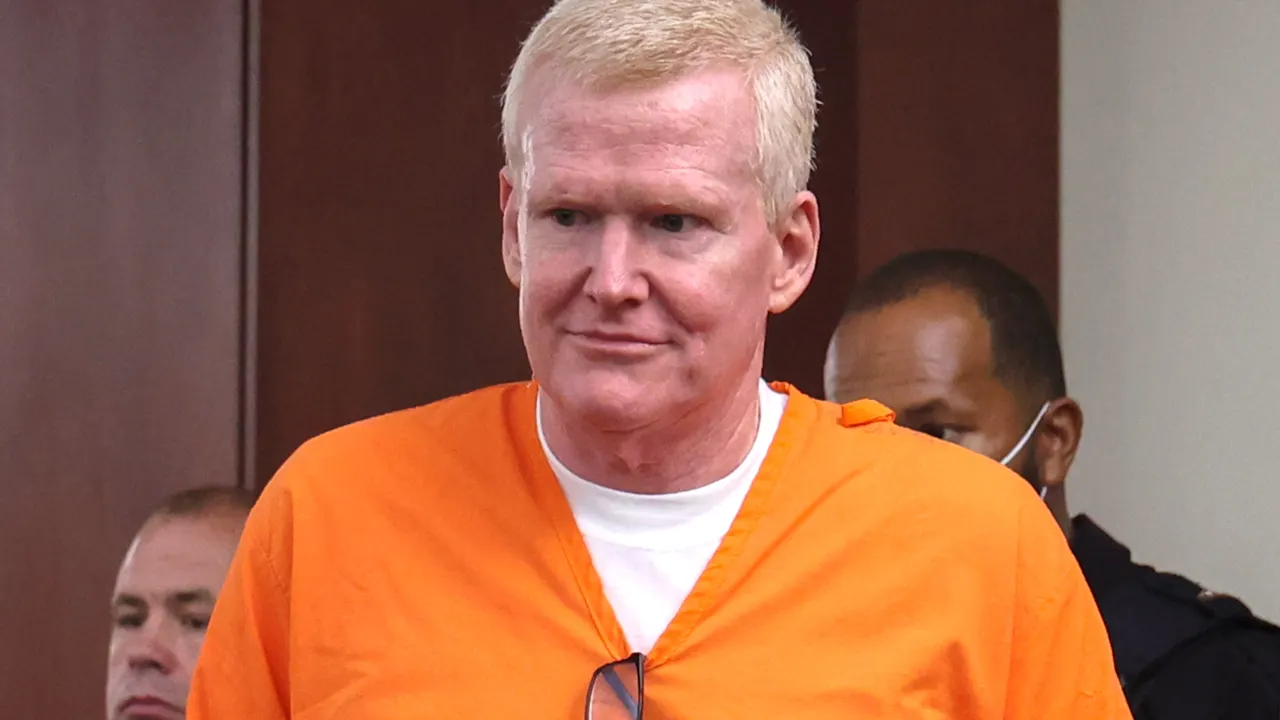
During a hearing that lasted a little more than an hour, attorneys for both sides were given 30 minutes each to argue whether Allen was denied a fair trial when he was convicted in the killings of Libby German and Abby Williams. Allen, a former pharmacist who was 54 at the time, was convicted in 2024 in connection with the Delphi, Indiana, killings that occurred nearly eight years earlier.
Allen’s defense attorney told the three-judge appellate panel that evidence pointing to other possible suspects was not presented at trial.
“Was he the only man there? And the answer to that is no, he wasn’t the only man there. And you didn’t get to present the evidence of the other man who was there at the trail,” defense attorney Mark Leeman said.
State prosecutors argued that Allen identified himself to investigators.
“It was Richard Allen himself who identified himself as bridge guy in his statements to police. He identified himself as the man who passed the group of girls on the trail,” state prosecutor Eileen Meilaender said.
In appealing the conviction, Allen’s attorney argued that important evidence that could have cleared his client was suppressed during trial. The defense contends that jurors did not hear evidence regarding other possible suspects who were on the trail that day and were not fully informed about Allen’s mental state when he confessed during phone calls with family members while being held in isolation at Westville Correctional Facility, where he was at one point deemed psychotic.
“If the jury hears those videos. If the jury sees the calls, there’s no way that they reach the same conclusion,” Leeman said.
At one point during arguments, Judge Nancy Vaidik reminded attorneys of the appellate court’s role.
“I don’t want you to argue your case as if we’re a jury. This is not what we’re here for,” Vaidik said.
Allen was sentenced to 130 years in prison after a jury found him guilty in the murders of the two teenage girls. A grainy cellphone video recorded on Libby German’s cellphone was a critical piece of evidence during the trial.
Former federal prosecutor Christopher Hotaling said appellate courts differ from jury trials.
“They’re not reexamining evidence. They are making a determination as to whether or not there were any legal errors that took place during the course of the trial that infect the conviction,” Hotaling said.
Allen’s trial attorneys wanted to put an expert witness on the stand to testify the killings appeared to be a ritual sacrifice by people who worshipped Odin, the king of the gods in Norse mythology.
The expert was expected to say the positioning of the bodies, the branches on the remains, the outdoor location of the crime and knife wounds to the victims all were indications of pagan rituals.
Prosecutors said the expert had limited examples and that defense lawyers shouldn’t be able to present just any theory without evidence to back it up. They said it would have turned the trial into a sideshow.
The Indiana Court of Appeals has no deadline to issue its decision. The court will decide whether to uphold Allen’s conviction or order a new trial
The Associated Press contributed to this report.
PREVIOUS COVERAGE:
© 2026 WLS-TV. All Rights Reserved.