





 Weather
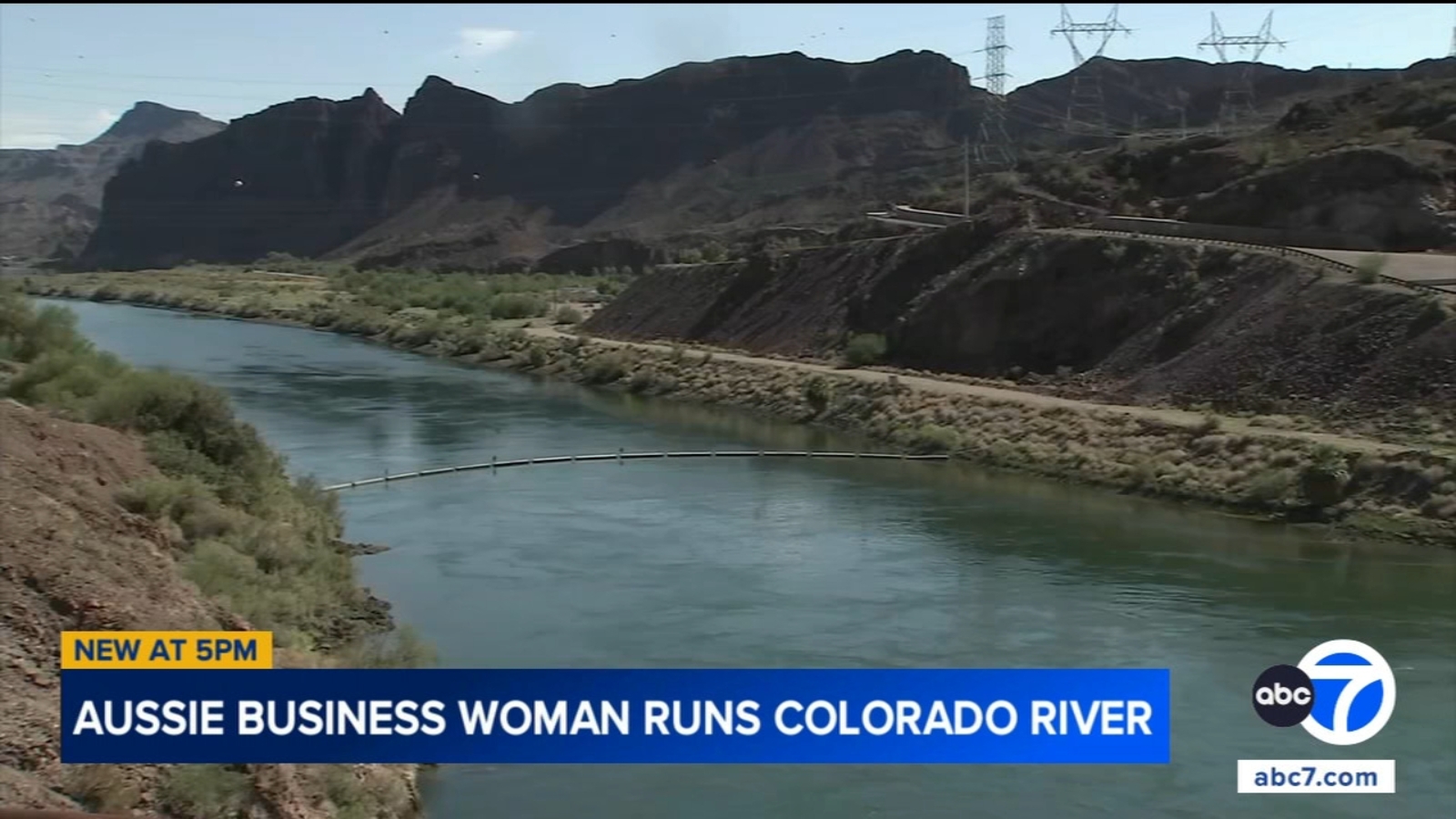
Australian businesswoman Mina Guli completed a monthlong run along the entire length of the Colorado River, including the aqueduct leading into Southern California, concluding her journey Thursday at the Metropolitan Water District headquarters.
The purpose of the run was to raise awareness about the condition of the Colorado River and the challenges facing one of the West’s most important water sources, as part of the “Keep the River Running” campaign.
“We are in the midst of an incredible drought. The Colorado River is under pressure like it’s never seen before,” said Guli, founder of the Thirst Foundation.
During her journey, Guli observed the condition of Lake Mead and Lake Powell, describing the reservoirs as being at their lowest levels ever.
“The river is in trouble. Lots and lots of people are working on solutions to save it, but they’re too fragmented and too broken in too many places to actually be fundamentally making a change,” Guli said.
The Colorado River supplies water to seven states. California holds the most senior rights to the river’s water, but the federal government has ordered the state to reduce its water use. Officials say additional reductions are expected.
“We know that larger cuts are coming,” said Bill Hasencamp, Colorado River resources manager for the Metropolitan Water District of Southern California.
“The federal government has said we need 1.2 million acre-feet of cuts to the lower basin states next year. That’s equal to all of Southern California’s imported water use.”
Hasencamp said conservation efforts must extend across all sectors, including agriculture in the Imperial Valley, which uses the majority of California’s Colorado River allocation.
“We need a thriving agricultural economy. The Colorado River provides 90% of the winter vegetables for the United States. But the current practices are not sustainable,” Hasencamp said.
Hasencamp also pointed to differences in water use among crops.
“Think about what crops they grow. Alfalfa takes a lot of water; vegetables take less,” he said.
He said data centers use less water than many people believe, but they still create additional demand on a limited resource.
“We are repurposing water for data centers. That means somebody else has to use less, either agriculture or urban, because the pie is only so big,” Hasencamp said.
As water managers prepare for additional cuts and conservation measures, Guli said her run was intended to draw attention to the continuing pressures on the Colorado River and the need for solutions to address its future.
“What I’ve seen is a river in distress. And what we need is a community of people working together to basically build a more resilient river system.”
© 2026 Television,