



 Weather
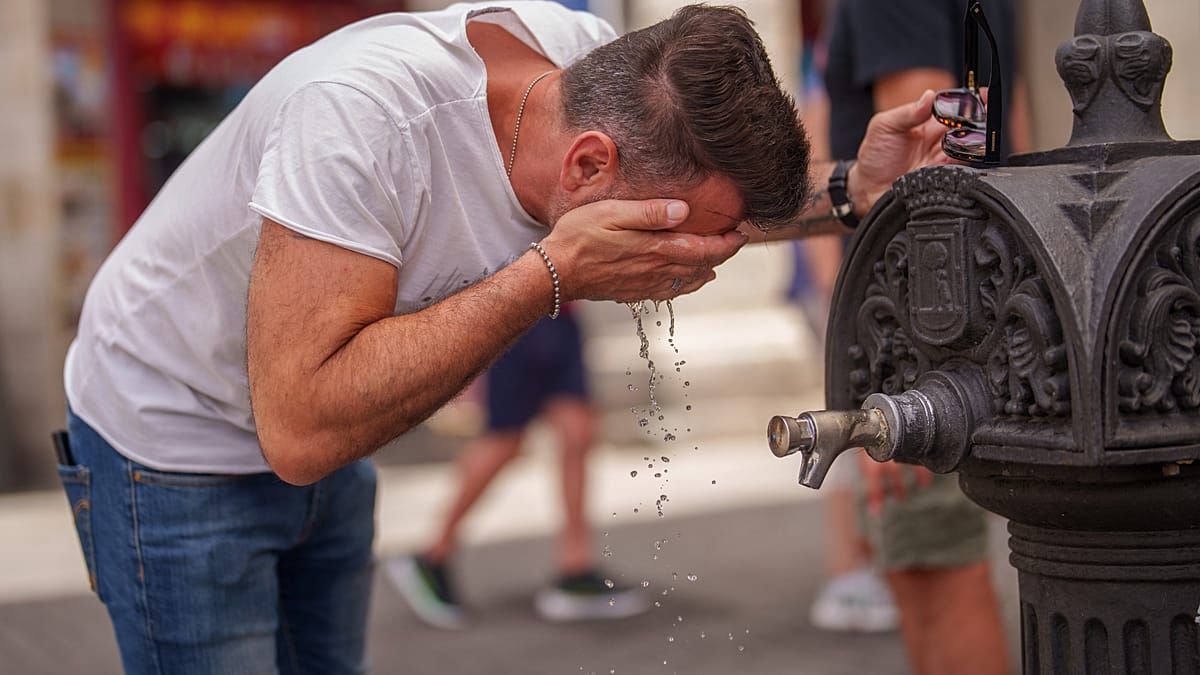
Water is under stress when we use 20 percent of renewable freshwater resources, and severely stressed at 40 per cent, according to the European Environmental Agency (EEA)’s Water Exploitation Index Plus (WEI+). Today, 30 percent of Europeans and 20 percent of land face water scarcity each year, according to the European Commission.
ADVERTISEMENT

ADVERTISEMENT
Current temperatures deepen Europe’s water crisis as heat dries soils and shrinks rivers. Behind the heat lies a water system already pushed to its limits. Decades of pollution, overuse, and resource mismanagement have harmed water bodies, leaving the EU with few reserves to fight today’s water crisis.
The EU launched the Water Resilience Strategy in June 2025 to make the EU water-resilient. It protects the water cycle, promotes a water-smart economy, and ensures access to clean, affordable water.
“Water is no longer just an environmental investment. It is an investment in people’s wellbeing, Europe’s food security, public health, economic competitiveness and resilience. And if Europe underinvests in water today, it will not be institutions that feel the consequences first, it will be ordinary people”, said Thomas Bajada, MEP of the Progressive Alliance of Socialists and Democrats (S&D) and rapporteur of the Water Resilience Strategy in the European Parliament.
Why are Europe’s water resources drying up?
Water stress happens for different reasons. Europe relies heavily on water for farming, industry, and energy production, leading to resource overuse. The EEA reports that total abstractions decreased by 14 percent from 2000 to 2023, but the EU still draws around 200,000 cubic metres annually, often exceeding natural replenishment rates. This depletes river flows and groundwater, leaving less water across the system. Emerging water-intensive industries, including semiconductors and data centres, consume water reserves even faster. While wastewater reuse can cut abstractions, Europe recycles only 2.4 percent of it.
Europe wastes 23 percent of treated water because of poor management of public supply networks, which reduces supply. “Across the Union, we are still losing enormous volumes of treated drinking water through ageing pipes before it even reaches people’s taps”, Bajada warned.
The 2026 EurEau report shows a slight reduction in Europe’s water losses to approximately 23.5 percent, compared with 24 percent in the 2021 survey, but member states still don’t invest enough in infrastructure maintenance. Germany leads with €9 billion annually, France with €6.5 billion, while Slovenia invests only approximately €100 million. Increased urbanisation and migration will raise water demand, especially in Northern and Western Europe, pushing for infrastructure modernisation and expansion, the European Parliamentary Research Service (EPRS) reports.
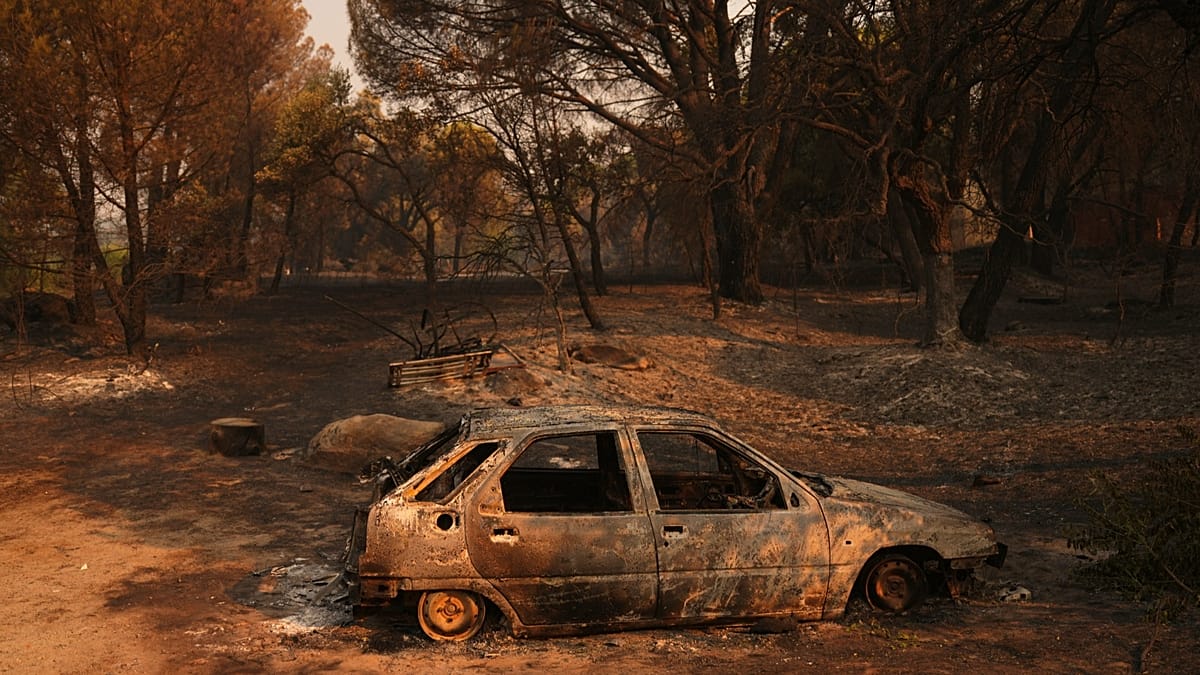
Climate change intensifies this trend. In Europe, temperatures are rising by 0.56 degrees Celsius per decade, higher than the global average of 0.27 degrees Celsius, as reported by Copernicus, the EU’s Earth observation programme.Droughts have increased, affecting 601,193 square kilometres of land, and damaging 33,518 square kilometres of forest and 87,567 square kilometres of cropland in 2024. The EEA reports that by 2050, droughts will intensify, increasing water evaporation.
As reserves decline, pollution worsens, reducing clean, usable water. “Groundwater quality can be affected by climate change through interdependencies between pollution and over-abstraction. For example, if an aquifer is over-abstracted, the concentrations of nutrients and chemicals may increase because pollutants will be less diluted”, the EEA told Euronews.
The Water Resilience Strategy
“The Water Resilience Strategy changes one very important thing: it changes how we think about water”, said Bajada. It secures Europe’s long-term water supply through more than 50 actions. Its Actions Tracker monitors implementation and reports that 3 are now complete.
The strategy addresses over-abstraction and soil degradation by protecting the quantity and quality of the water cycle. The “sponge facility” restores ecosystems’ ability to retain, purify, and release water, supporting biodiversity. Shared water-scarcity indicators and early warnings monitor water availability and drought risks, enhancing preparedness.
To ensure quality, the strategy reduces water pollution and removes pollutants from drinking water, protecting public health. A stronger implementation of the Water Framework Directive improves the ecological health of rivers and lakes.
The “water efficiency first” principle targets a water-smart economy that minimises water waste before turning to new sources, such as desalination. The EU targets a 10 percent increase in water efficiency by 2030 through water reuse in agriculture, industry, and public water supply. It limits water needs for clean industrial and digital sectors through smart planning, reduces leakage and water losses in public water supply, and strengthens water controls.
The Digital Action Plan on water modernises water management through data-driven tools such as smart metering, AI forecasting, satellite-based soil moisture monitoring, digital irrigation, and leak detection systems.
The 10 percent target is a strong political signal, not the final goal, Bajada said. Climate change affects European regions differently, so one target cannot suit all, he explained, calling for sector-specific efficiency and basin-level goals that consider diverse water uses and risks across agriculture, industry, public supply, and energy.
The last pillar of the strategy encourages the use of water-efficient products through the Ecodesign Regulation and supports water pricing based on usage and ability to pay, ensuring fair access and promoting smarter water-saving habits. Member states must inform citizens about national water conditions and their management for public participation in national water plans.
For Bajada, the European Investment Bank’s €15 billion investment in the strategy “is a very important step” but “it is not enough to match the scale of Europe’s water challenge”. Water resilience, he explained, means that families continue to have running water and farmers can keep producing food despite longer droughts. This is why Bajada pushes for a dedicated water resilience budget and for water to remain a priority in the next Multiannual Financial Framework.
Which countries suffer most?
Southern Europe remains the driest. Its hot, dry climate increases water demand, mainly in agriculture, pushing the region to use most of its freshwater and all of it during the hottest months.
In 2023, water scarcity hit 28 percent of land and 32 percent of Europeans, according to the EEA 2025 report. In Southern Europe, 30 percent of the population faces permanent water stress, rising to 70 percent during summer when water demand from tourism, agriculture, and public use increases. In response, the region extracts large quantities of non-replenished fossil groundwater, further straining groundwater reserves.
Cyprus and Malta suffer the most. Latest data show that Cyprus used 92.1 percent of its freshwater and Malta 66.7 percent in 2023, both exceeding the WEI+ 40 percent threshold. Between 2020 and 2024, drought impact in Cyprus rose to 12.9 percent of Cyprus’s territory and 57.1 percent of Malta (up from 6.5 percent in 2020), according to the EEA.
To face scarcity, Cyprus reuses almost 100 percent of its wastewater, while Malta reuses only 5-10 percent. Both islands have expanded their desalination plants, which provide almost all of their drinking water.
Northern and Central Europe face a different type of water pressure but remain below the WEI+ water-stress threshold. In 2023, WEI+ scores were 0.3 percent in Sweden, 4.4 percent in Germany, and 8 percent in Poland, driven mainly by water demand from the industrial and energy sectors. The EEA reports that switching to water-efficient cooling systems and fuels, using technological innovations, and using waste heat from power plants could reduce water abstraction by up to 95 percent.
What water scarcity means for you
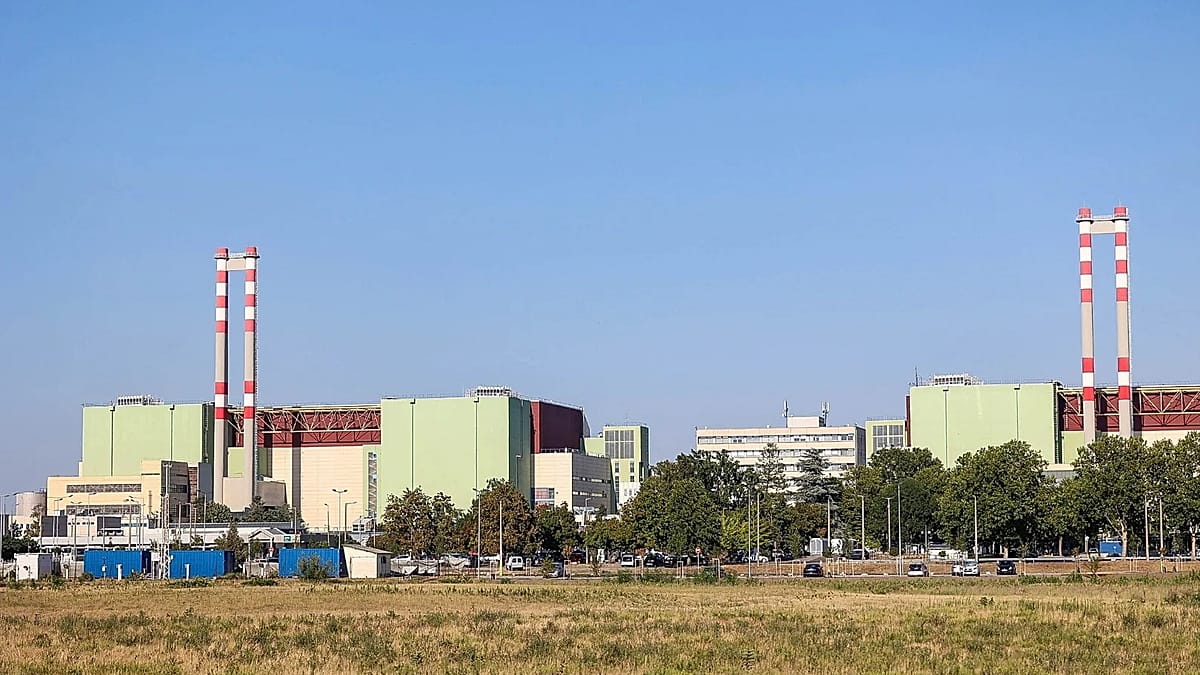
Electricity accounts for 33 percent of overall abstraction. “Low discharges in rivers may affect water-dependent electricity production in thermal and nuclear power plants or hydropower facilities and reduce the depth of water in free-flowing rivers, affecting inland shipping”, the EEA explained. Power plants can scale back or shut down entirely, impacting energy supply for citizens and industries, as is currently happening in Hungary and Romania. In Sweden, the Ringhals nuclear plant had to suspend its operations in July 2018 as seawater temperatures reached 25 degrees Celsius.
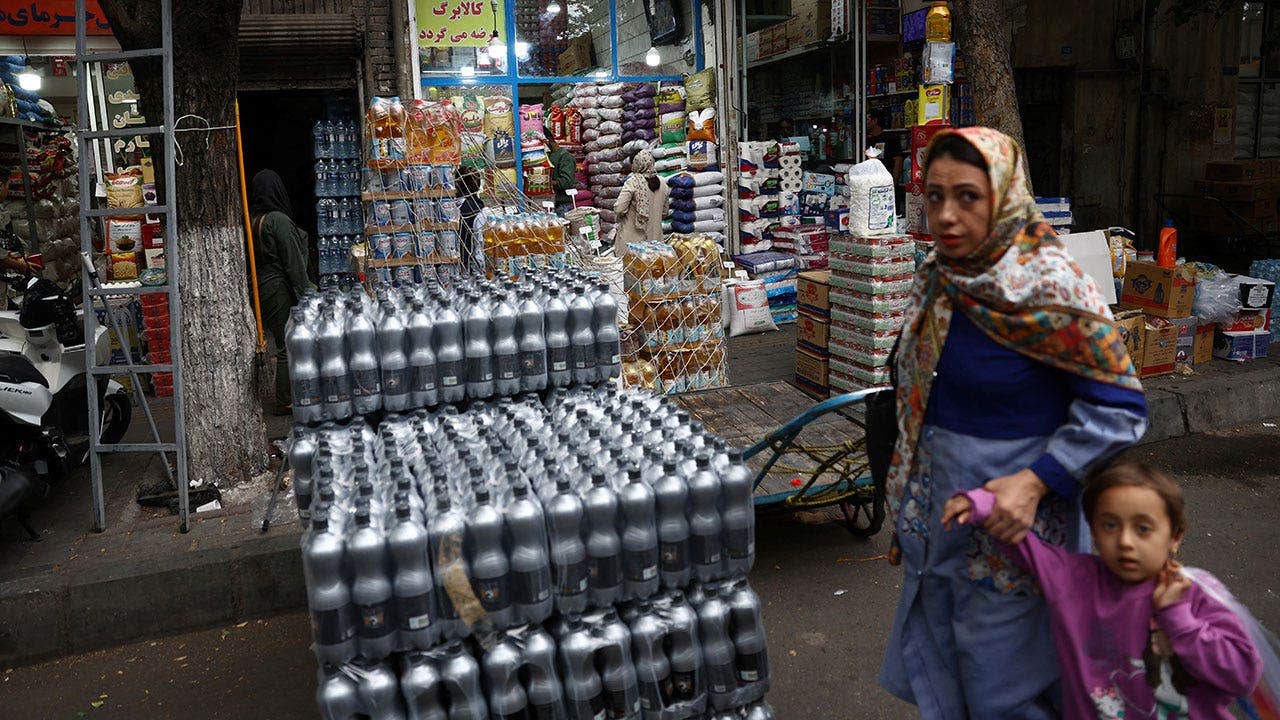
Agriculture uses 31 percent of Europe’s water. Shortages lead to smaller harvests, exposing farmers to health and economic losses and disrupting food supply chains. Crop losses already fell by more than 30 percent over the last decade compared to predicted trends, the EPRS reports. This can cause long-term inflation in food prices.
21 percent of total abstractions are for public water supply. This is where citizens feel the impact of water shortages most as national governments limit water use for activities such as washing, sanitation, cooking, and gardening. Cuts hit Mediterranean regions harder, as tourists increase water use by 300 to 2,000 litres per person per day, compared with residents’ 125 litres, according to the EEA.
“While large cities generally have drought preparedness plans and prioritise drinking water supply, smaller municipalities and households relying on private wells are often more vulnerable to water scarcity conditions. In some countries, a significant share of the population depends on private water sources, which are less regulated and more susceptible to water scarcity”, the EEA told Euronews.
Industrial production uses 14 percent of the EU’s total water. Shortages disrupt water-intensive sectors, such as steel, paper, and food, causing shutdowns. They reduce companies’ revenues, hinder loan repayments, and trigger instability in the banking system. The European Central Bank found that 34 percent of euro-area business loans finance water-intensive sectors.
Read the full article here