





 Weather
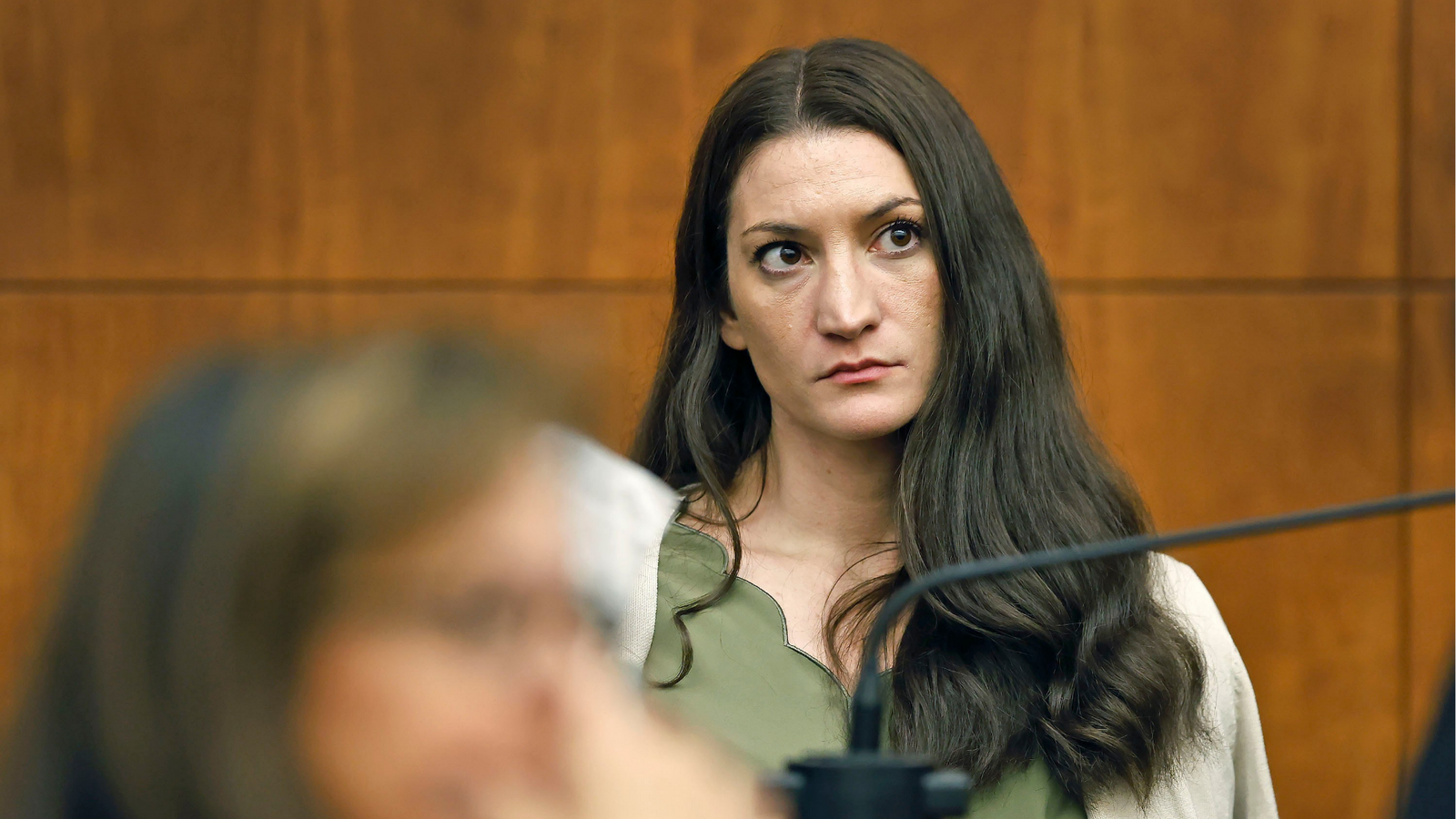
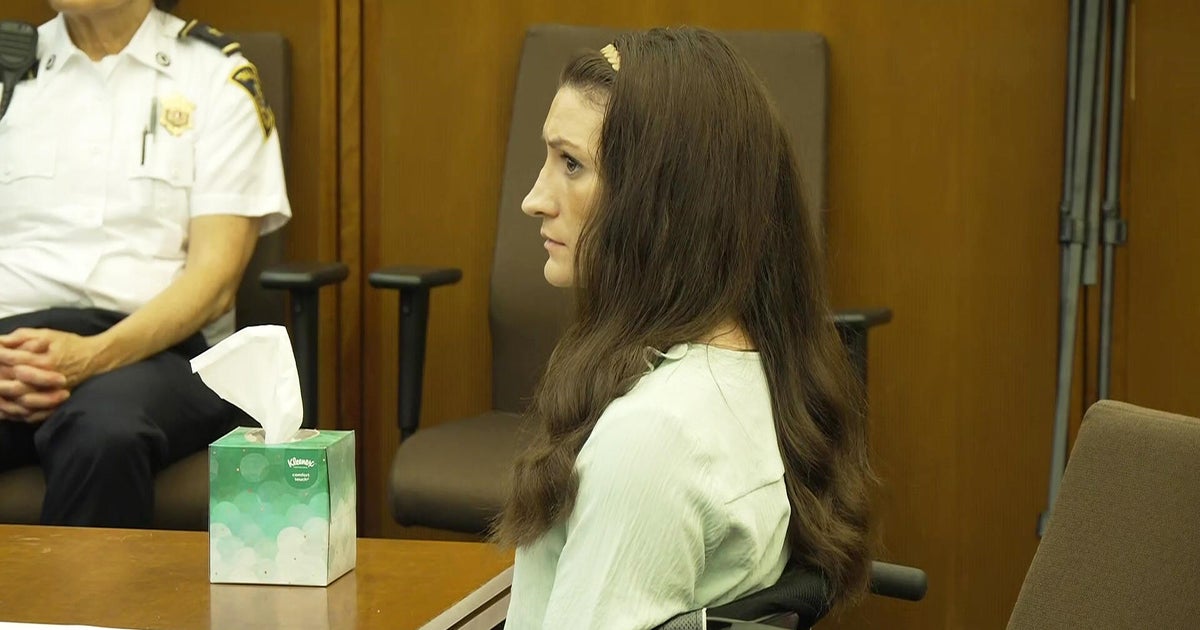
Lindsay Clancy ‘s murder trial zeroed in Friday on the nearly five days that the Massachusetts mother spent in a psychiatric hospital a few weeks before she killed her three children.
Her stay is a key chapter in both the prosecution and defense narratives about her mental state when she strangled the children in their suburban home and then jumped out a second-story window.
In questioning one of her McLean Hospital psychiatrists on Friday, a prosecutor underscored that Clancy denied to hospital clinicians that she wanted to hurt anyone else or planned to kill herself. Clancy’s lawyer, meanwhile, aimed to flesh out the defense’s claim that she sought mental health help for months, wasn’t properly diagnosed as she went from provider to provider, and was put on a series of medications that left her worse off.
Clancy has pleaded not guilty to murder charges in the January 2023 strangling deaths of Callan, Dawson and Cora Clancy, who ranged from 8 months to 5 years old. They were found in the basement of the family’s home in coastal Duxbury, Massachusetts, and their mother was lying, badly injured, in the yard. She remains paralyzed from the waist down.
Prosecutors argue that Clancy, a 35-year-old former labor and delivery nurse, was an intentional killer who attacked her children after getting her husband out of the house by asking him to run errands. The defense doesn’t dispute that she killed the children but says she shouldn’t be held criminally responsible, contending that she was so mentally ill that she heard voices telling her to kill them and herself.
In the criminal trial and a medical malpractice lawsuit, Clancy’s attorneys say she had bipolar disorder and postpartum psychosis — a break with reality that a small fraction of women have after childbirth — that weren’t fully diagnosed until after the killings, though one of her outpatient providers considered bipolar disorder in 2022.
Clancy recounted that provider’s opinion and disagreed with it after she checked herself into McLean early on New Year’s Day 2023, psychiatrist Dr. Alia Goodheart told jurors Friday.
When Goodheart joined Clancy’s lineup of providers that Jan. 3, the patient expressed concerns about an antipsychotic medication she’d previously been prescribed to help with insomnia, and about feeling numb, which can be a side effect of that drug, Goodheart said. She diagnosed her with insomnia with a mental health condition and tapered down the medication.
Clancy then reported she could sleep, was eager to go home in time for a long-planned belated birthday party for Cora, and booked herself follow-up outpatient care, the psychiatrist testified. The hospital discharged her that Jan. 5 with prescriptions for an antianxiety drug and a sleep aid.
“She had never stated that she had any thoughts of harming anybody else,” Goodheart told jurors. And although Clancy said she’d had suicidal thoughts, she denied having them in the moment and indeed said she had reasons not to take her own life: “her children and her family, her mother,” Goodheart recalled.
When defense lawyer Kevin Reddington had his turn to question the psychiatrist, he emphasized that the hospital care team didn’t do various tests — Goodheart said they weren’t necessary — or learn that she had called a suicide hotline that fall. Nor did the providers talk to various outpatient clinicians who had treated Clancy over the prior months, though they did speak to her husband.
“She was very sick, wasn’t she?” Reddington asked at one point.
“I don’t know what you mean,” Goodheart responded.
If convicted of murder, Clancy faces life in prison without parole. If found not guilty due to a lack of criminal responsibility, she would be committed to a state mental health facility.
EDITOR’S NOTE: This story includes discussion of suicide. If you or someone you know needs help, the national suicide and crisis lifeline in the U.S. is available by calling or texting 988.
© 2026 News Internet Ventures.