





 Weather
The length of school summer holidays can vary significantly across Europe, according to Eurydice, the European Commission-funded education information network.
ADVERTISEMENT

ADVERTISEMENT
Italy, Malta, Latvia and Cyprus have the longest school summer holidays in the EU, with Italian students getting 14 weeks off and Maltese, Latvian and Cypriot children getting 13 weeks.
On the other hand, Denmark, the Netherlands, and Germany have the shortest holidays in the bloc, with pupils getting just six weeks off for the summer.
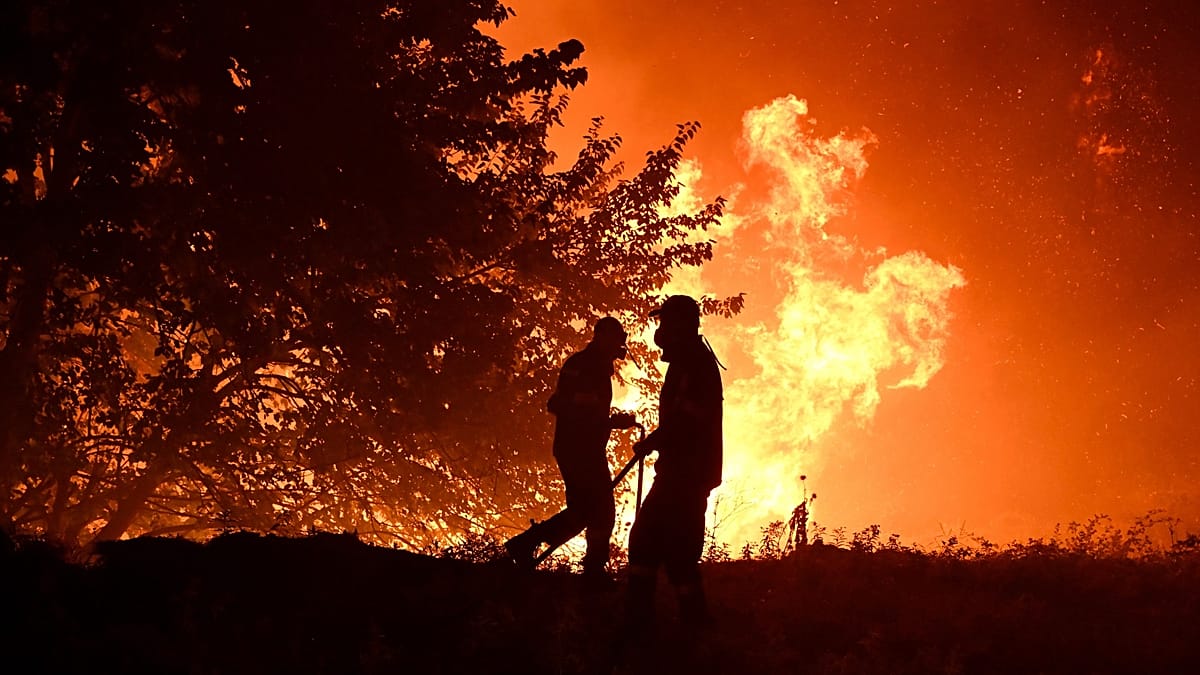
However, as heatwaves become more frequent, countries such as France, Spain and Italy are considering ways for schools to adapt to extreme weather events, with some suggesting finishing classes early and extending the length of school summer holidays.
What impact have heatwaves had on education?
In 2024, more than 900,000 pupils in Europe had their education disrupted by heatwaves, according to UNICEF.
Schools in southern and south-eastern Europe are experiencing the highest number of hot days, and their exposure to heat is expected to continue in the future.
Currently, around 16,650 schools in Europe already experience days with maximum temperatures above 30°C during the school year, according to the European Climate and Health Observatory (ECHO).
By 2050, approximately 34,400 schools are projected to experience at least one hot day above 30°C during the school year under a high-warming scenario.
If the current trajectory continues, between 68% and 82% of days exceeding 30°C during the school year will occur before the summer holidays, and between 18% and 32% will occur afterwards, the ECHO said.
What measures are European schools taking?
This year, schools in countries such as France and Belgium have already stopped classes ahead of schedule or closed completely due to the heatwaves.
This was not the only solution, however. In Belgium, for example, the unions called on schools to ensure every classroom is equipped with a thermometer and to suspend classes whenever legal heat limits were exceeded.
Furthermore, in Spain, some schools have experimented with slightly different schedules, with classes starting at 8 am instead of 8:30 am and finishing at 3 pm instead of 4:30 pm.
More radical calls have suggested extending the school summer holidays.
However, critics say this solution may cause issues for parents’ work commitments and for those from lower socioeconomic backgrounds.
Read the full article here