


 Weather
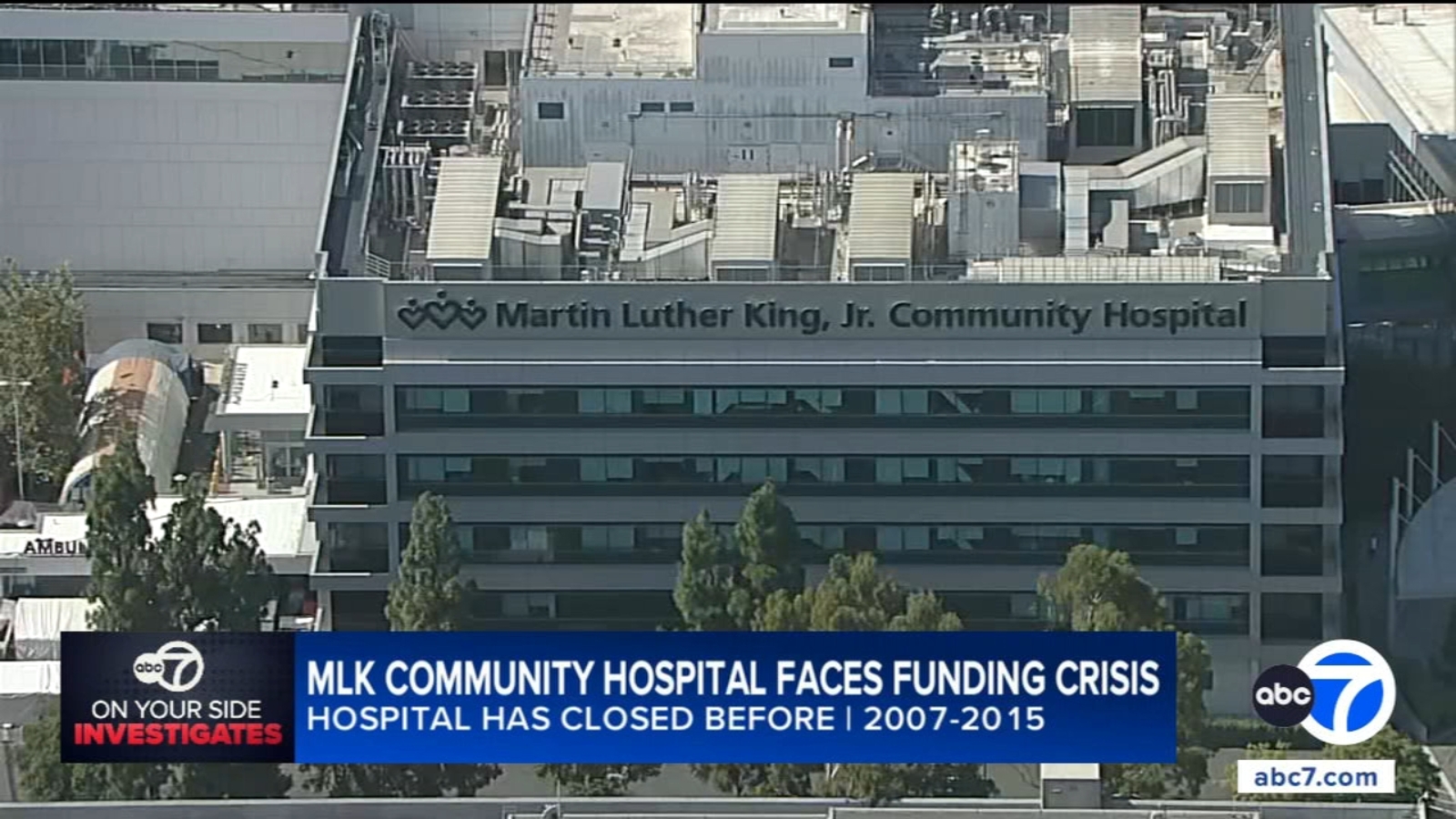
WILLOWBROOK, LOS ANGELES () — Three years since the COVID pandemic ended, Martin Luther King Jr. Community Hospital in Willowbrook is still receiving and treating patients in tents outside, where ambulances used to park.
Their emergency room is one of the busiest in the country even though they’re a small community hospital, because they serve an area with few other clinics and hospitals.
About 80% of their patients are covered by Medicaid. And now, staggering cuts to Medicaid, part of the “Big Beautiful Bill,” which will begin at the end of this year – $1 trillion over 10 years would leave the hospital with a 20% gap in revenue.
“If that hospital shuts down, people will die,” said Congresswoman Maxine Waters, who represents Willowbrook.
“We’re worried about our patients losing their coverage, which means that they won’t be able to access care outside of the hospital. They’ll wait until they’re sicker and they’ll end up coming into the hospital needing more care,” said Elaine Batchlor, the CEO of MLK Community Hospital.
When the cuts to Medicaid take effect early next year, MLK Community Healthcare will lose an estimated $80 million to $100 million per year.
Hospital officials say that’s unsustainable and they could eventually be forced to shut down. It wouldn’t be the first time. The 131-bed hospital closed back in 2007 after becoming ineligible for federal reimbursement for Medicaid and Medicare patients over quality-of-care issues.
The hospital reopened in 2015 with a new $208 million building, thanks to a public/private partnership involving the state, county and the UC system.
“We’re doing everything we can to keep the hospital open. This community knows what closure looks like. It left a gaping hole in South Los Angeles. People who had gunshot wounds were more likely to die. People were less likely to get access to care,” said Dr. Atul Nakhasi, the Vice President of Government and community affairs at MLK Community Hospital.
That includes people like Marcus Liddell, who is disabled because of a workplace injury. But, that’s not what landed him in MLK for 22 days last February.
“I had caught pneumonia and they thought it was another infection in my lung, a staph infection. And Dr. K and the lung doctor, they revived me. I was, I thought I was over,” said Liddell.
Liddell says receiving treatment near where he lives was key to surviving his near-death infection.
“I couldn’t even breathe. So it’s kind of nice to have it this close to me,” said Liddell.
Dana Rogers’ father Willie Pollard spent seven months at MLK for a gallbladder infection.
“He was so swollen and infected really bad, and I didn’t think he was going to make it. And so they were able to go in and get all the gallbladder out and get rid of all of the poison from the gall bladder. And the hospital worked with us so well. You know, I was so overwhelmed and afraid. I thought my father was going leave, you know what i mean?” Rogers said.
Doctor Maita Kuvhenguhwa, also known as Dr. K, treated Liddell and Pollard.
“These are human beings at the core of it all, and in Dana’s dad’s case, he’s retired. He’s 74 years old. He can’t work even if he wanted to. This community has been marginalized and neglected for decades and we really need to right that wrong,” said Dr. Kuvhenguhwa.
So what’s being done to save the hospital? Measure ER was passed by L.A. County voters in June, and there’s also the “Billionaire Tax” on the ballot this November. But hospital officials fear all the contingency plans may not be enough.
“The county doesn’t have the money. The state doesn’t have the money. The money comes from the federal government, and they’re paid through Medicaid and Medicare, which the federal government controls. And they’ve cut that, the president has cut that tremendously,” said Waters.
Hospital leaders say they will be watching midterm elections closely, and hold out hope that the federal government reverses the cuts.
“I think that healthcare is a bipartisan issue. I think what people don’t think about is that if a hospital here closes, those patients are going to go somewhere else eventually,” said Batchlor.
© 2026 Television,