




 Weather
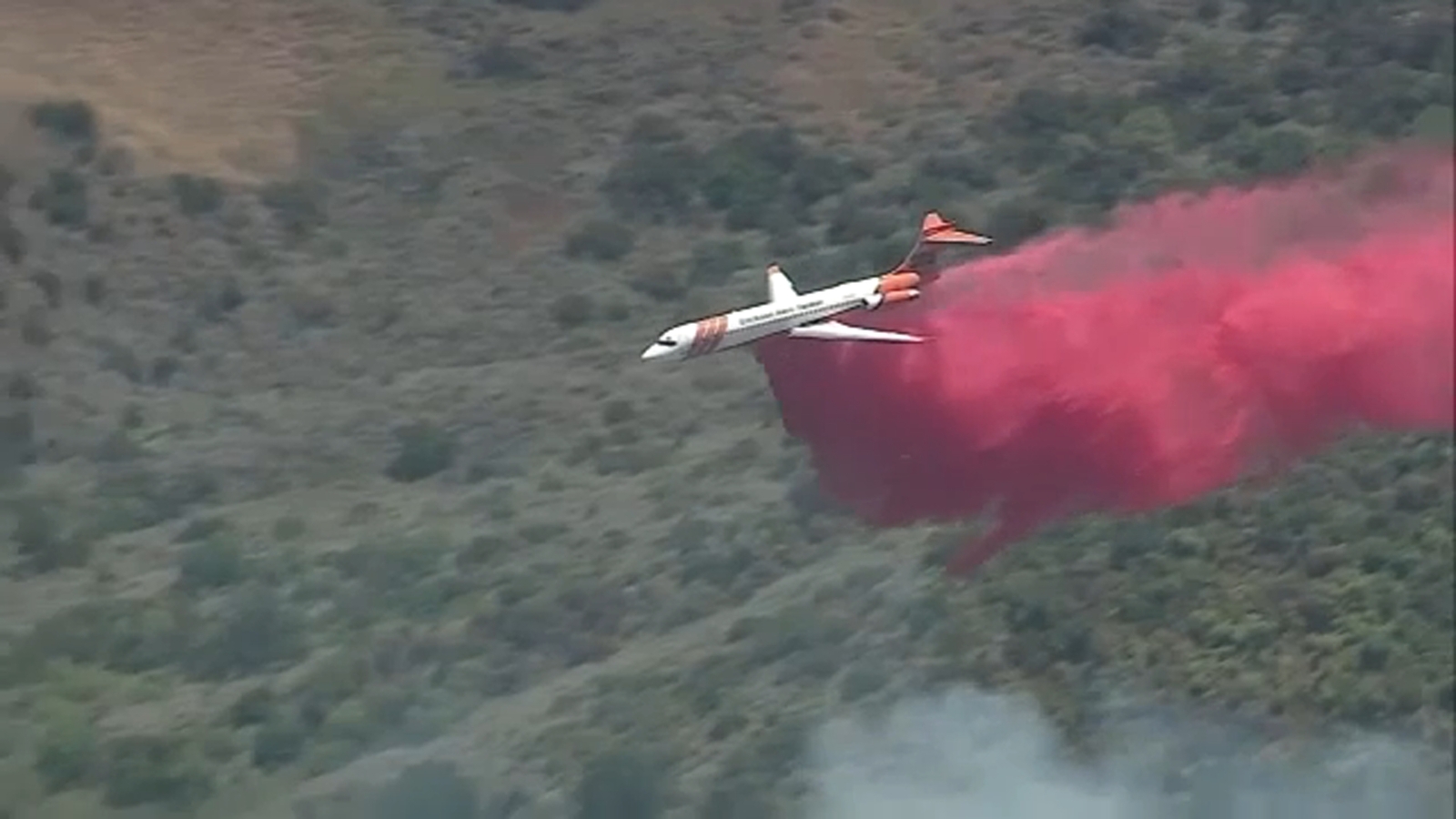
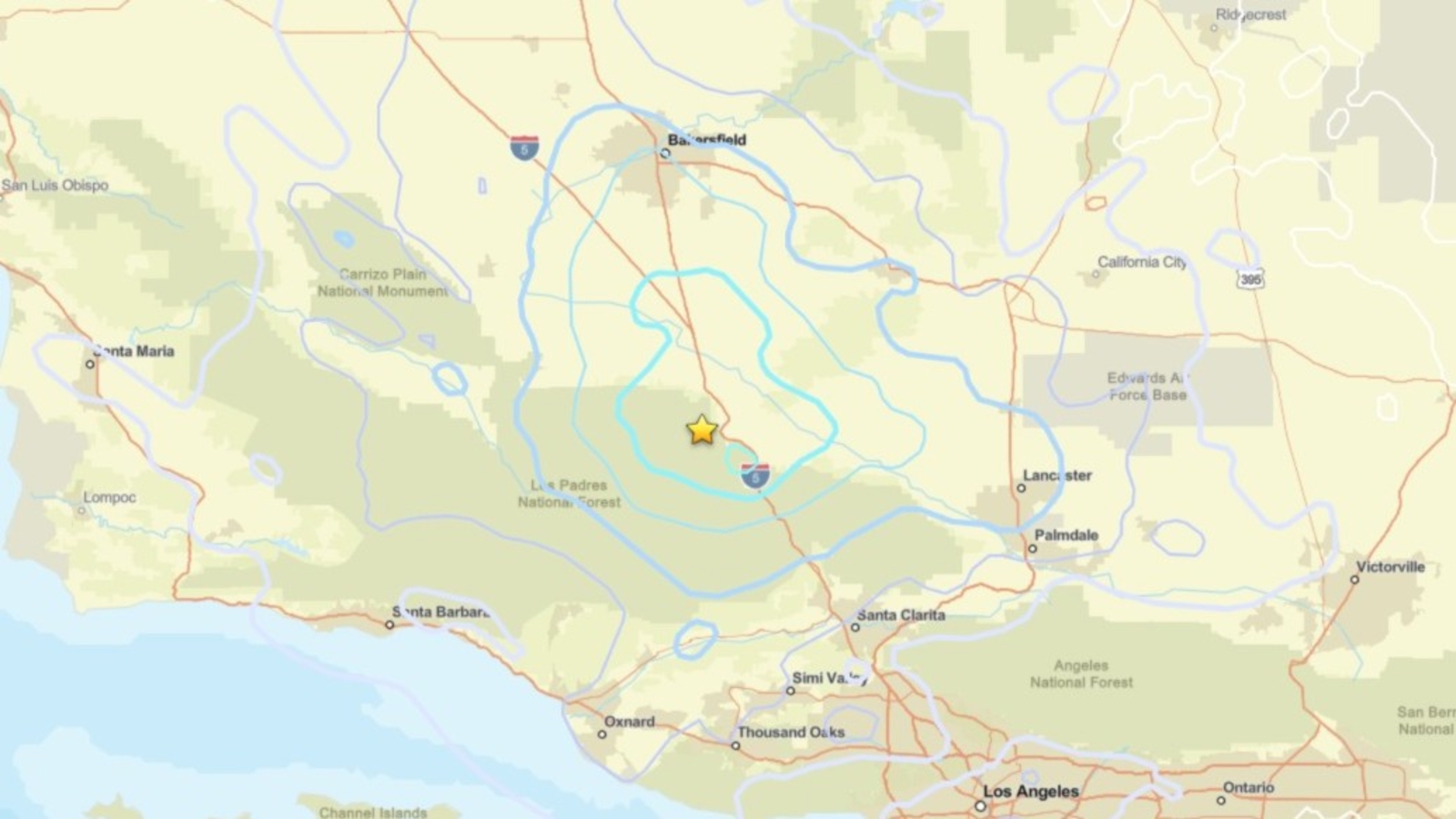
VENTURA COUNTY, CALIF. () — As summer temperatures heat up and the fire season intensifies, 7 is looking at the science that goes into fighting a wildfire and saving homes and lives.
Water drops and fire lines are part of constant and precise coordination between firefighters and the National Weather Service to try to steer fast-spreading flames.
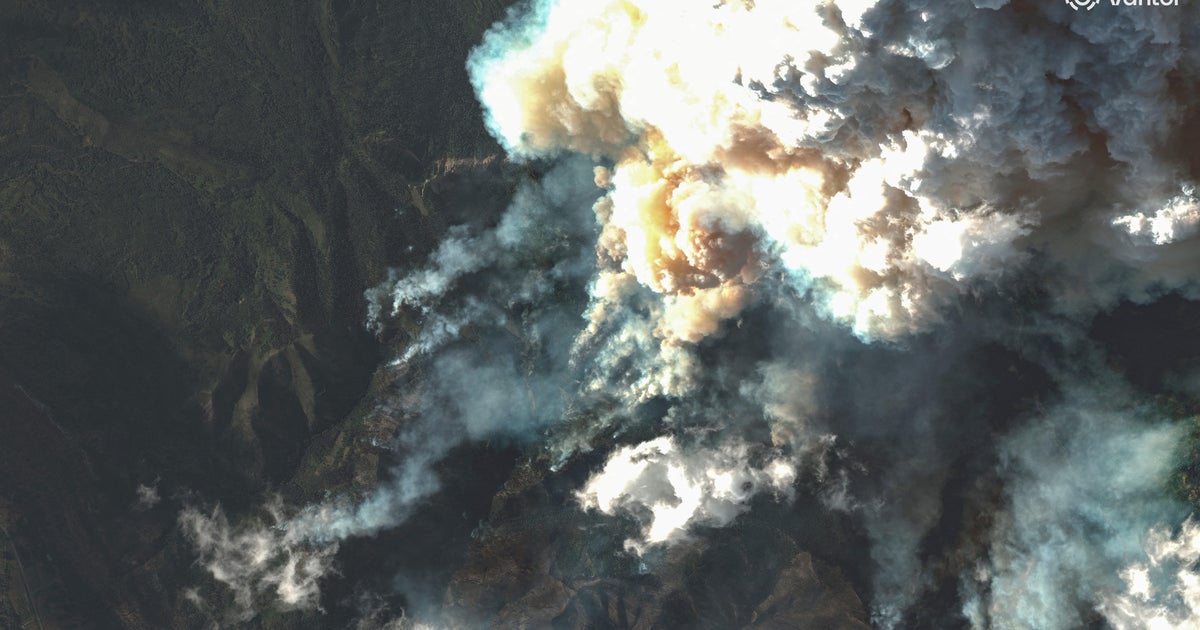
The Sandy Fire, which started on May 18, burned more than 2,100 acres in Ventura County. Two structures were damaged, and one was destroyed. Having limited damage was a remarkable achievement given the number of homes at risk and in the direct path of the fire.
Leigh Murphy, a fire survivor, said she was relieved to learn her home had survived.
“Being able to see that my house was still surviving even after a couple of days. Even after it started coming up the hill here, it was such a relief, and I’ve talked to several neighbors, and they’ve all told me how fabulous the firefighters were,” Murphy said.
Ventura County Fire Chief Nick Cleary, who served as incident commander for the Sandy Fire, said firefighters make decisions by reading the wind and anticipating where flames are headed.
“It’s basic stuff. You put your back at the wind, and you look where the fire is going. And you go, ‘What neighborhoods are going to be impacted and where do we start sending resources?’” Cleary said.
Fire preparation starts long before flames break out, with weather playing a central role.
Every day, partner agencies across the state are included on an email thread with the National Weather Service in Oxnard, which provides fire weather forecasts for the day, week and month. At times, agencies receive alerts twice a day or take part in conference calls. When the Sandy Fire began, Ventura County had access to a spot weather forecast for the GPS location of the incident.
“At the outset, here, you knew this space was in danger?” 7 Anchor Philip Palmer asked.
“Just based on the weather we had. If this was a normal day, today — probably wouldn’t have sent resources there because they’re going to have time to grab it. You can see this is a whole ridgeline right here. It would probably burn to the top of the ridge and stop on a day like today. I’m telling you. The wind-driven fires are a game changer compared to fuel and topography-driven,” Cleary said.
Knowledge, skills and ability are the three pillars of a firefight. The ability is evident in the pilots who fought the Sandy Fire from above, with skills learned through year-round training and experience.
“Those guys are going out and doing heli-spot drills, and they’re talking about their different aircraft. ‘How can we manage when we don’t have air attack? How are we going to make sure we don’t run into each other? And are the coms going to be the same? And what do you guys do for hoisting? Do you guys fly an MBG? Where’s the best dip spots?'” Cleary said. “All those things are happening preseason and during the season to make sure that we’re one, getting ahead of stuff if we’re going to have any issues, and then two, if we’re learning lessons from any incidents that we have, we get better.”
Preparation helps ensure resources are in the right place at the right time. But for a fire like the Sandy Fire, which burned for nine days, putting it out requires more than dropping water on flames.
“The shiny penny is the firefight that’s going on, but in the background, we have folks that are setting up logistics so we have fuel, bathrooms and food. They’re developing maps so when we have people coming from out of Ventura County, they can scan a QR code and have that map on their phone,” Cleary said. “So there’s so many things into incident management that happen behind the scenes. It’s the whole dynamic of the team that comes together that really makes these fires go out.”
© 2026 Television,