




 Weather
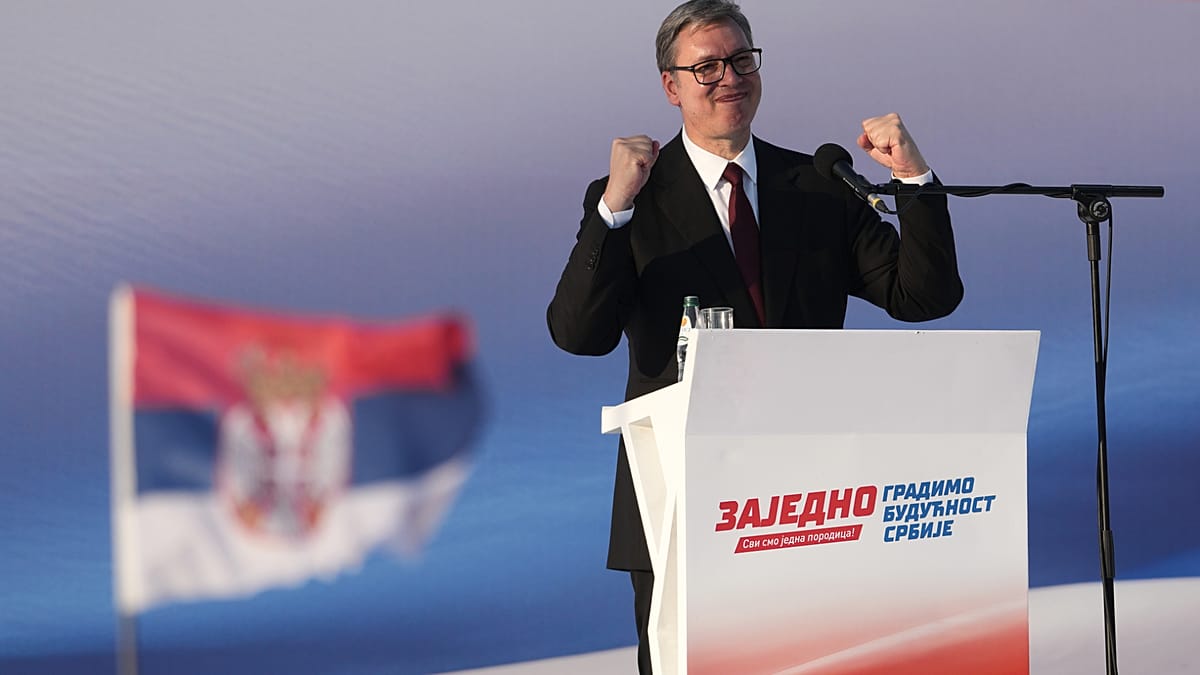
The European Commission is renewing its push to open Serbia’s accession clusters, arguing that Belgrade has made sufficient progress on a range of reforms to justify advancing its EU membership bid.
ADVERTISEMENT

ADVERTISEMENT
Ahead of a discussion among EU ambassadors on Wednesday, the Commission has presented member states with an information note outlining why it believes Cluster 3 should be opened after Serbia reversed controversial judicial reforms and made what Brussels describes as progress on media freedom, electoral reforms and alignment with the bloc’s foreign and security policy.
The opening of Cluster 3 has been blocked since the Commission first proposed it in 2021 due to concerns over the rule of law, media freedom, Serbia’s foreign policy alignment and the normalisation of relations with Kosovo.
“The Commission is of the view that Cluster 3 should be opened in July 2026 considering Serbia’s efforts on key matters and that the overall balance necessary for this step is currently ensured,” reads the information note, dated 3 July and seen by Euronews.
According to the document, Serbia has implemented substantial elements of the commitments it made to address member states’ concerns, including repealing controversial amendments to judicial laws, alongside progress on media freedom, the electoral framework and cooperation with the EU on foreign and security policy.
While Serbia has yet to align with EU sanctions against Russia over its full-scale invasion of Ukraine, the Commission notes that Belgrade has cooperated with the bloc to counter sanctions circumvention, provided substantial support to Ukraine and intensified high-level political contacts with Kyiv.
The document also acknowledges that Serbia’s work is far from complete, stating that “further work is still required” on judicial reform and the prosecutorial system.
The assessment comes after Serbian President Aleksandar Vučić defended his country’s ties with Beijing during an official visit to China in May.
On the judiciary, the Commission says Serbia has “remedied the backsliding” identified earlier this year and taken steps to strengthen the Prosecutor’s Office for Organised Crime, while acknowledging that “further work is still required” in the judicial and prosecutorial system.
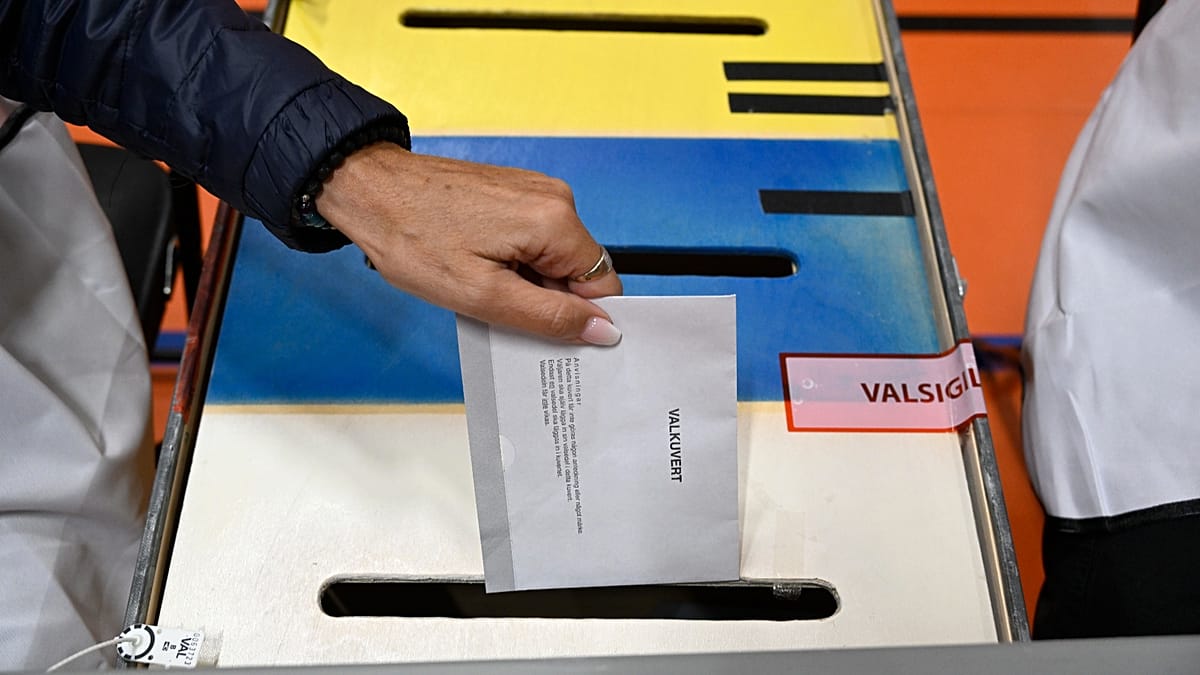
It also points to the appointment of minority representatives to the Council of the Regulatory Authority for Electronic Media, as well as amendments to four election-related laws, as evidence of further progress.
But the Commission’s assessment is unlikely to convince all member states, whose unanimous backing is required to open a new accession cluster. Several EU capitals remain unconvinced that Serbia’s latest reforms outweigh broader concerns over democratic backsliding, judicial independence and the rule of law.
“The Commission will continue to remain strongly engaged to ensure that Serbia delivers on the expected reforms,” the note concludes.
Read the full article here