





 Weather
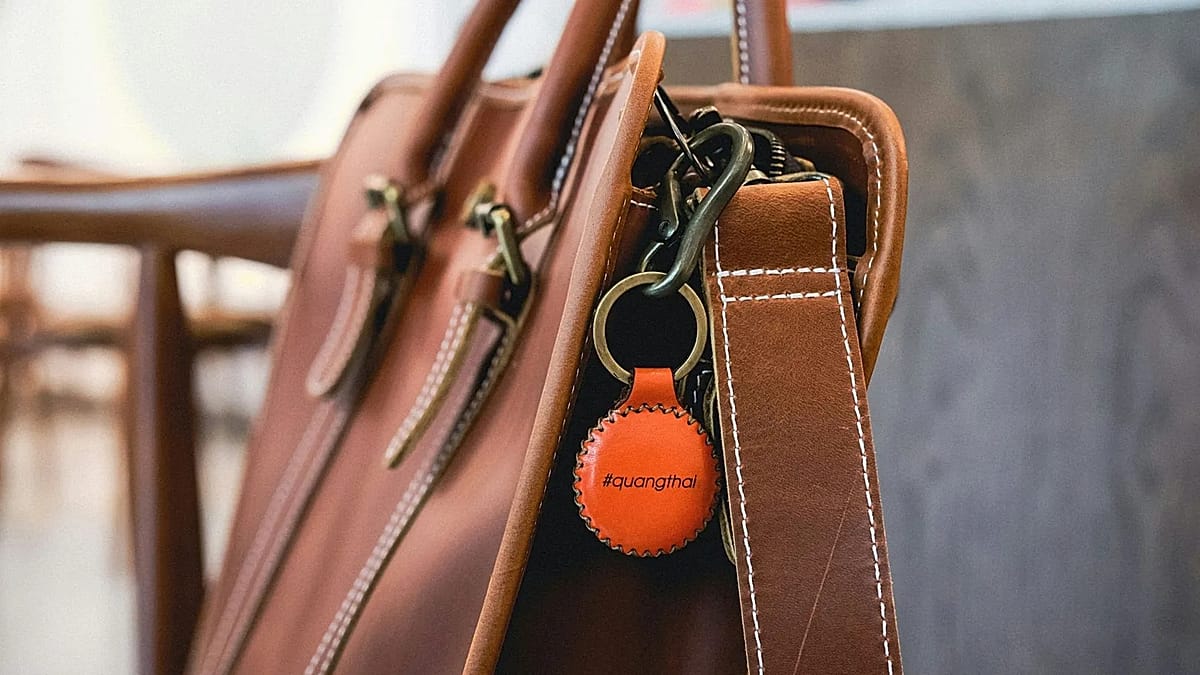
Packing the essentials looks a little different these days. Socks, underwear, sunscreen… and an Apple AirTag (or another location tracking device of your choice).
ADVERTISEMENT

ADVERTISEMENT
It gives travellers peace of mind to know exactly where their luggage is – bringing a great deal of comfort even when facing the trauma of seeing the last bag hit the conveyor belt when yours has failed to materialise.
Now, new data collected from SITA WorldTracer, a baggage automation system used by 500 airlines and 2,800 airports, has shown that bags with these devices in are far less likely to be permanently lost, and passengers are reconnected with their lost items faster, too.
According to the SITA 2026 Baggage IT Insights, the number of truly lost bags (most lost bags are eventually tracked down – only a very small number are unrecoverable) decreased by 90% when the bag in question had an Apple AirTag or Find My network accessory.
Airlines who use Apple Find My and Share Item Location integration in WorldTracer have also seen a 26% reduction in the recovery time for delayed bags.
Overall, mishandling rates and total mishandled bag volumes fell 23% and 19% respectively in 2025 – their lowest number ever, with the exception of the pandemic period.
Wondering why bags get delayed in the first place? The biggest source, at 39% of all cases, is transfer baggage mishandling, aka when your bag fails to make it onto the second flight.
Ticketing errors, bag switching, and security cause 18% of delays, while failure to load is responsible for 16%. Customs, weather, space or weight restrictions and airports are responsible for 11% of delays, loading or offloading errors for 8%, and tagging errors and arrival station mishandling cause 4% of delays each.
In 2025, some 24 million bags were mishandled – a rate of 4.9 bags per 1,000 passengers.
Read the full article here