


 Weather
Good morning. This is Mared Gwyn, writing in the early hours from Brussels.
ADVERTISEMENT

ADVERTISEMENT
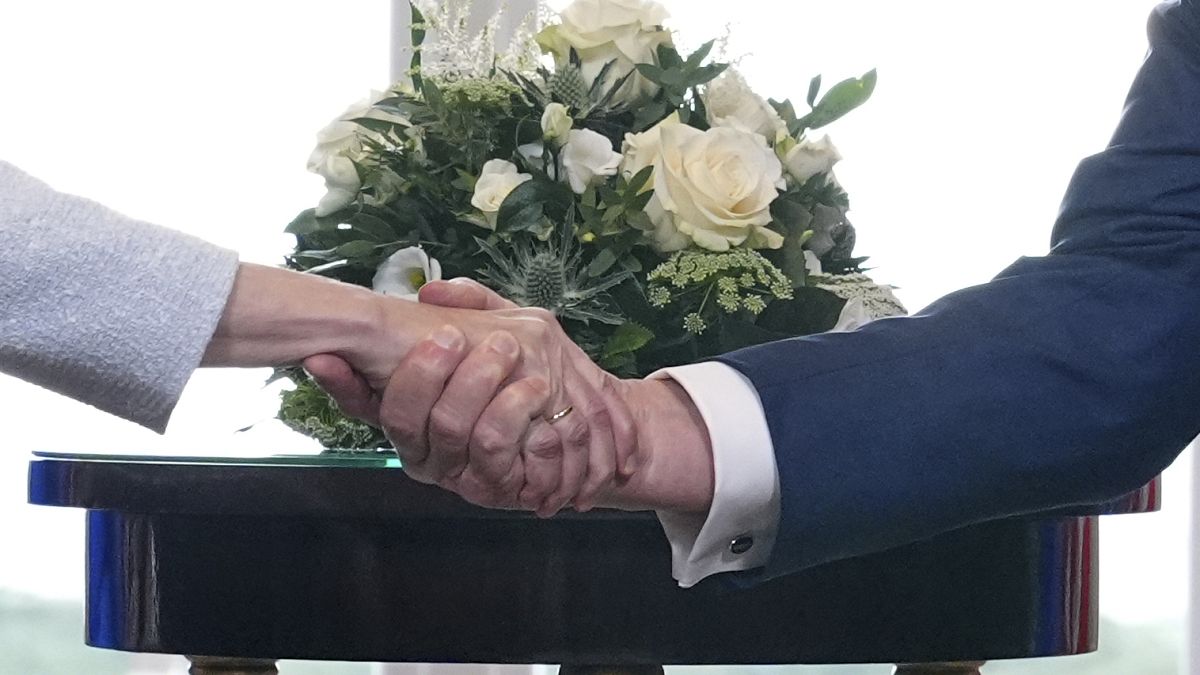
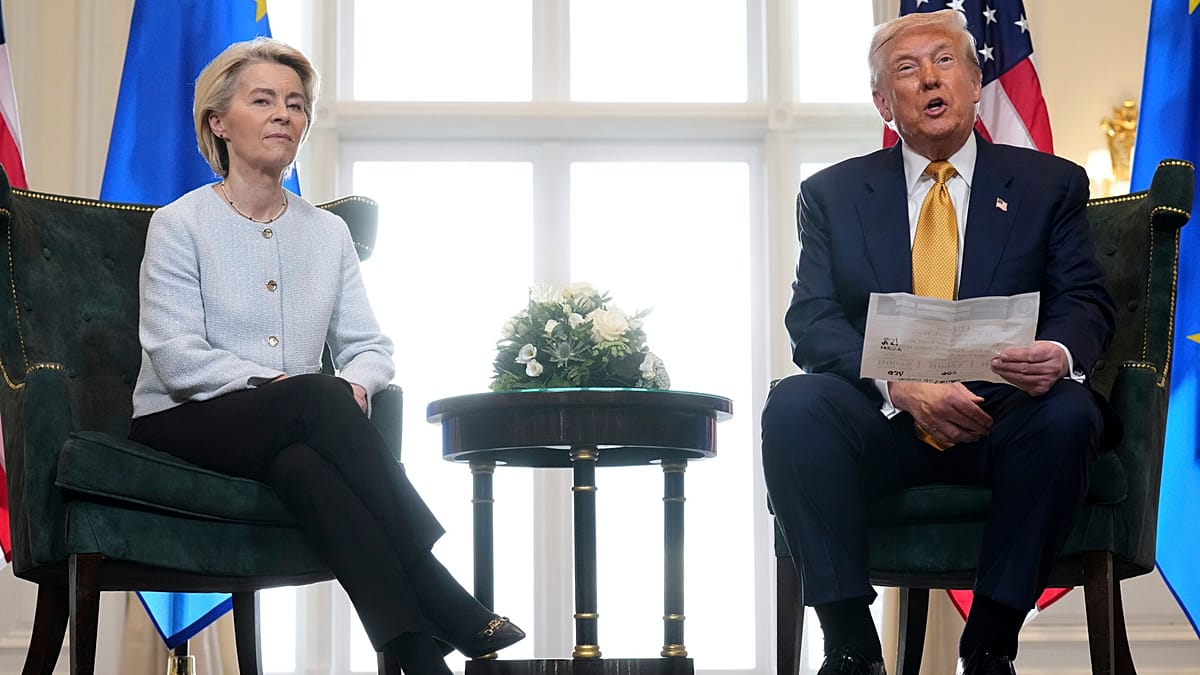
Even earlier this morning, EU lawmakers and diplomats agreed to implement the controversial trade agreement concluded last summer with the US, after hours of late-night talks in Strasbourg.
Our trade reporter Peggy Corlin writes that despite the breakthrough, which is set to soothe soaring transatlantic tensions, the deal remains fragile as long as US President Donald Trump continues to use tariffs as a tool of political pressure.
The negotiations concluded two weeks after US President Donald Trump threatened to impose 25% tariffs on EU cars if Europeans did not implement the agreement by 4 July. The deal is also considered heavily tilted towards the US, slashing tariffs on US industrial exports to 0% while keeping a baseline tariff on most EU exports at 15%.
The European Parliament had been pushing for stronger safeguards to shield the deal in the event of further unilateral threats from Trump. In a compromise, a so-called “sunset clause”, which would allow the EU to terminate the deal unless renewed, was included for 31 December 2029 – after Trump is due to leave office.
Speaking to our Europe Editor Maria Tadeo earlier, the Parliament’s top negotiator, Bernd Lange, said that there is now a “safety net” to defend the legislation in place and assured that the agreement “gives predictability for our consumers and our industry”.
Crucially, the deal also allows the European Commission to suspend the preferential tariffs on US goods if the Trump administration does not deliver its promise to lower duties on EU steel and aluminium to 15%.
The US currently levies a heavy-handed 50% tariff on European steel, The EU’s powerful trade chief, Maroš Šefčovič, has been back and forth to Washington in recent months for talks with his US counterparts on breaking the deadlock on steel, without any results to date.
Members of the European Parliament had previously kept the deal on ice over threats to the EU’s “sovereignty” after Trump repeatedly expressed his desire to forcibly seize Greenland, a Danish autonomous territory.
The mention to territorial integrity has been removed from the text, despite tensions between Greenland and the US administration re-emerging this week, with Greenlandic Prime Minister Jens-Frederik Nielsen suggesting the US had not shifted on its position and saying he would not attend the official opening of the American consulate in Greenland on Thursday.
Meanwhile, another crunch negotiation is due to take place in the European Parliament today.
At 2pm, EU lawmakers and diplomats will aim to strike a deal on the EU’s controversial migrant return regulation, which will enable member states to strike bilateral deals with third countries to build deportation centres outside the EU and impose entry bans on migrants who have already been returned.
Our parliament correspondent Vincnezo Genovese writes from Strasbourg that the negotiation is expected to be smooth, as there are no substantial differences between the two sides. The most contentious point is the so-called “ICE amendment”, a provision allowing authorities to search the place of residence or “other relevant places” where a third-country national who received an expulsion order could be found. EU countries are calling for the Trump-inspired provision, while the Parliament is opposing.
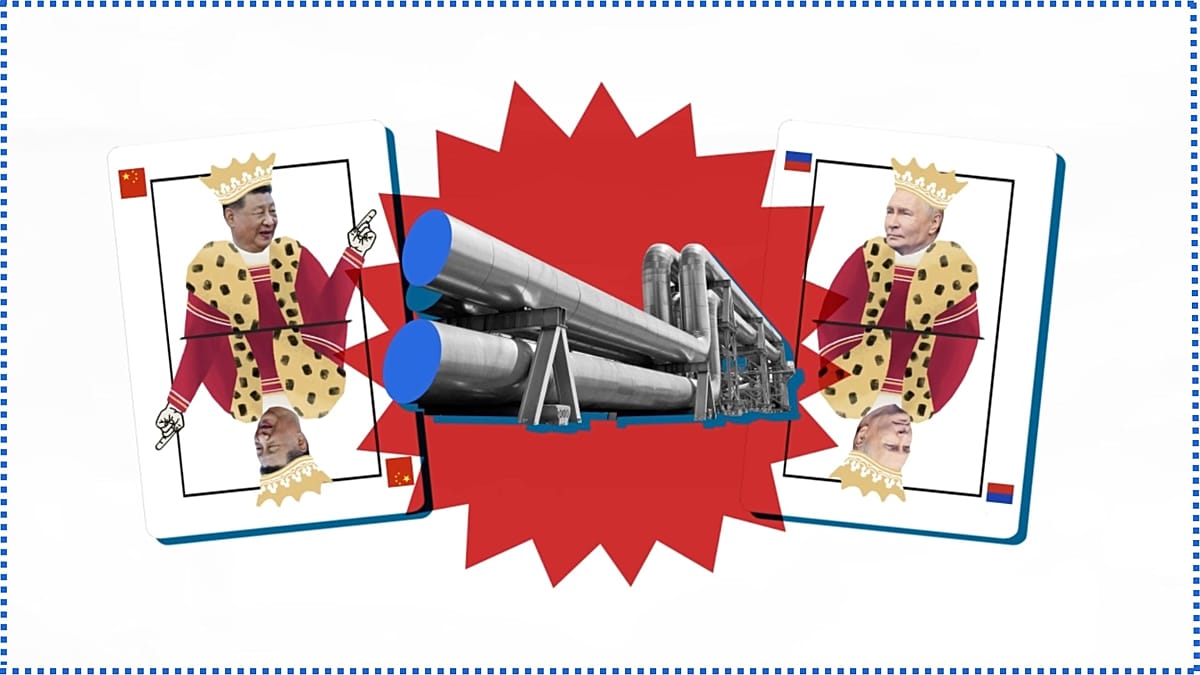
In other news, a meeting between Chinese leader Xi Jinping and visiting Russian President Vladimir Putin started in Beijing early on Wednesday morning, our correspondent Sasha Vakulina writes.
After a red carpet welcome, which included a crowd of cheering children, a military band and a 21-gun salute, Putin and Xi have already held their first meeting.
“In the current tense situation on the international stage, our close partnership is particularly needed,” Vladimir Putin told Xi Jinping as he called the Chinese leader “a dear friend”.
Xi said China and Russia should promote what he decried as “more just global order”. He also said that “unilateral hegemony” is “running rampant” in the current world, according to Chinese state media.
“As permanent members of the UN Security Council and important world powers,” Xi said China and Russia should adopt a “long-term strategic view” and cooperate to build “a more just and equitable global governance system”.
During the meeting with Putin, Xi mentioned the Middle East conflict, saying it is imperative to stop the fighting in the region, whilst he didn’t mention Moscow’s war against Ukraine, currently in its fifth year.
High risks, pitfalls and snubs: EU envoy for direct talks with Russia faces job from hell
The European Union is rapidly coming to terms with the idea of appointing a special envoy to speak directly with Russia and negotiate an end to the war. But whoever gets the job might come to regret having ever applied.
Breaking the diplomatic isolation imposed in February 2022 comes with formidable risks for Europeans, who, on the one hand, are keen to have their own seat at the table that will shape the future of the continent’s security architecture but, on the other, are deeply wary of falling into the Kremlin’s trap and making a fool of themselves.
The fact that Russian President Vladimir Putin’s position remains maximalist and uncompromising, coupled with his refusal to commit to a ceasefire, bodes ill for the special envoy, who could hit a wall on the first day at work. Moscow’s wild pitch to nominate Gerhard Schröder as mediator is just a teaser of the traps and tricks that it has at its disposal to sow discord.
Meanwhile, the United States has shown no indication that it’s willing to integrate the Europeans into the highly confidential process. This could leave the envoy stuck on the sidelines in a perpetual struggle to find a seat.
Jorge Liboreiro explains whythe position is a job from hell.
UK minister ‘confident’ of steel pact with EU ahead of looming tariffs
The UK’s Minister of State for Trade, Chris Bryant, has suggested his government is closing in on a deal on steel with the EU that would see both sides avoid punitive trade restrictions introduced to shield their domestic industries from over-capacities.
Speaking to Euronews’ Europe Today from Strasbourg on Tuesday, Bryant said the UK was in “very productive conversations” with EU counterparts and expressed confidence that negotiators could reach a “good arrangement”.
“We need to make sure that we don’t provide a problem for each other because, frankly, the problem of over-capacity in steel, which undermines sovereign steel capacity on the continent of Europe, is not provided by us, it’s provided by China and some other countries in the world,” Bryant explained.
He also said that the UK should be included in the bloc’s plans to prioritise “Made in Europe” components as part of public procurement, another EU scheme to curb Chinese dominance in supply chains.
Speaking as his government is plunged into a deepening crisis following bruising results for the Labour party in regional and local elections earlier this month, Bryant said the UK is still pushing for a major reset in the economic relationship with the EU ahead of a summit between both sides slated for July.
Watch the full interview on this morning’s episode of Europe Today.
More from our newsrooms
‘Each day counts’: EU scrambles to seal defence industry deal. European parliamentarians, EU member states and Commission mediators are in the thick of talks aimed at bolstering the bloc’s defence industry by cutting down on bureaucracy. Despite the political will for the continent to rearm itself, significant divisions have emerged on the details of delivery. Angela Skujins has more.
NATO fighter jet downs stray Ukrainian drone over Estonia. For the first time, a NATO fighter jet shot down what is believed to have been a stray Ukrainian drone over the Baltic country. Ukraine apologised for the “unintended incident”, while Russia threatened retaliation. Sasha Vakulina hasthe story.
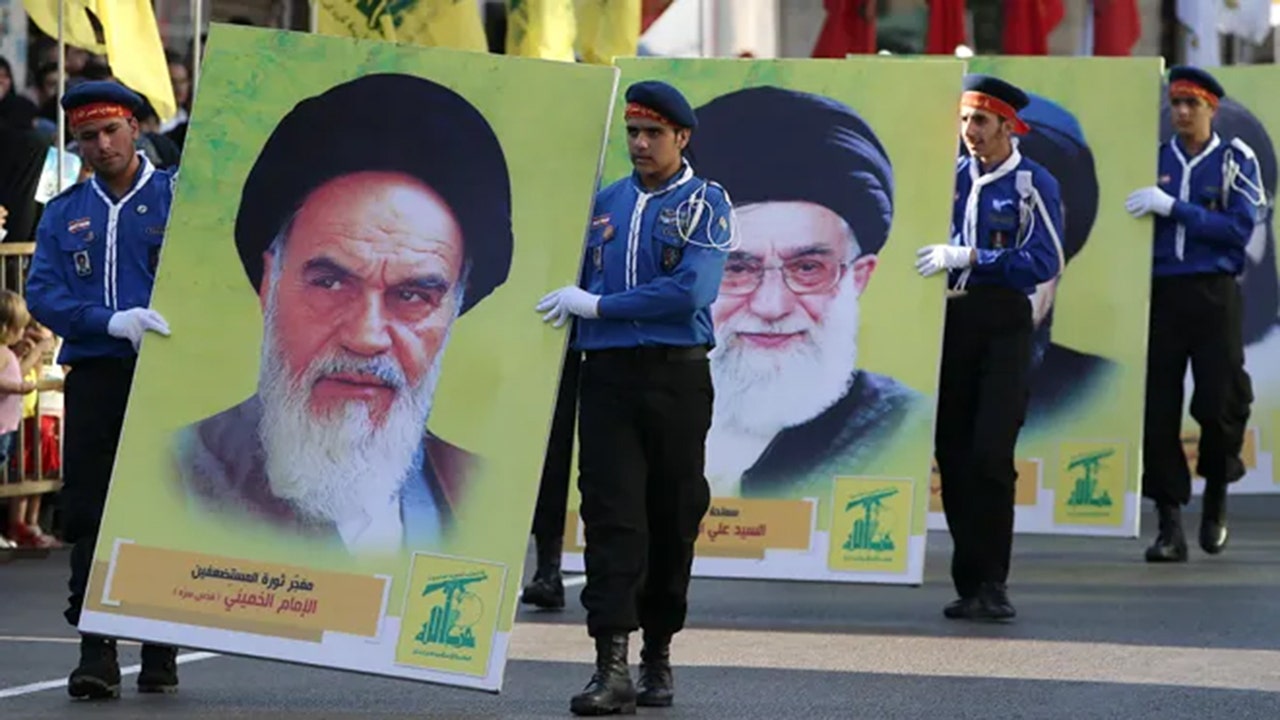
Iranian TV teaches viewers to shoot as IRGC ramps up child recruitment. Iranian state television IRIB has broadcast weapons training programmes featuring simulated shooting at the forehead of US President Donald Trump and Israeli Prime Minister Benjamin Netanyahu, as well as a live demonstration in which a host fired at the flag of the United Arab Emirates. Babak Kamiar and Euronews Persian havemore.
We’re also keeping an eye on
- European Commissioner for International Partnerships, Jozef Síkela, is in Nuuk, Greenland. Delivers a press conference at 11.40 Brussels time.
- European Council President António Costa is in Guatemala.
- The European Parliament’s plenary session continues in Strasbourg.
That’s it for today. Peggy Corlin, Vincenzo Genovese, Jorge Liboreiro and Sasha Vakulina contributed to this newsletter.
Read the full article here