



 Weather
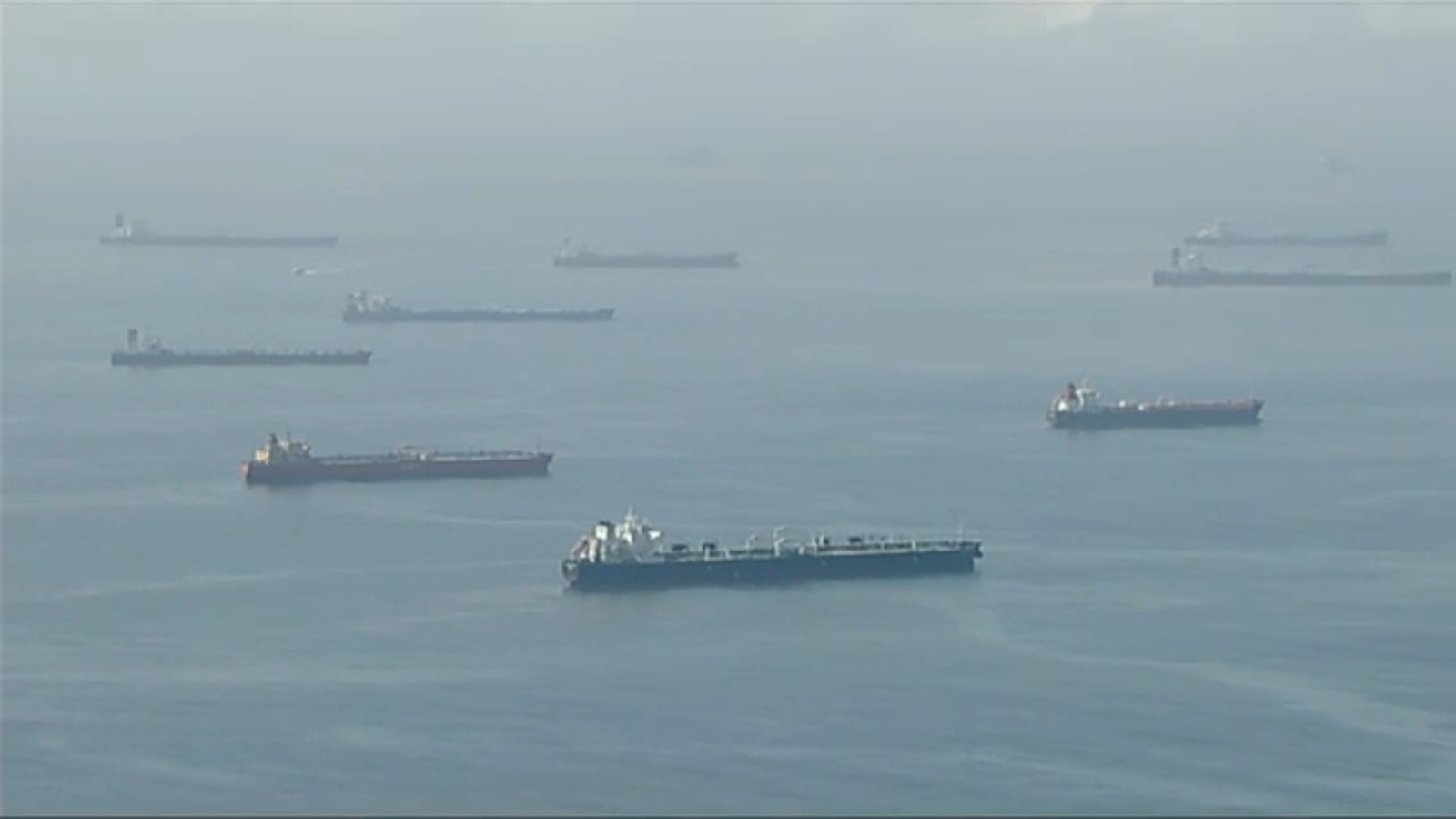
The conflict in the Middle East is set to impact the cost of gas, as well as many other products. Passage through the Strait of Hormuz for oil tankers has been compromised, and that is set to have far-reaching effects around the world.
An economist who spoke with Eyewitness News says the soaring price of oil could eventually trickle down and affect a lot more than just the price of gas.
As war in the Middle East escalates, economists say volatility in the markets could send gas prices — already close to $4.50 in Los Angeles — higher as well.
“We are predicting a $0.10 to $0.30 per gallon increase on gasoline prices starting as early as today, but no later than Wednesday,” said Matt McClain, a petroleum analyst for GasBuddy.
McClain said the United States receives most of its oil either domestically, or from Canada, Mexico and Asia.
READ MORE: US stocks erase sharp losses, while oil prices leap on worries about Iran war
But 20% of the world’s supply of oil passes through the Strait of Hormuz near Iran, which is currently closed because of the conflict.
“There are a lot of tankers that have dropped anchor on either end of the Strait of Hormuz and are simply not getting oil through,” McClain said.
Inland Empire economist John Husing said the rise in oil prices across the world depends greatly on how long the strait remains closed.
“20% of all the oil in the world goes through that pass,” said Husing. “And right now, ships can’t get through there. They’ve already fired on three of them, so that really shuts off a share of the world’s oil.”
Husing said while the price of oil is rising in the short term, depending on how long the conflict plays out, it could have a trickle-down effect on many other items.
“To farmers, it’s fertilizer. To a lot of industries, it’s plastic. To logistics, clearly, it’s fuel,” Husing said. “All of those will potentially cost more if the cost of oil, which is at the base of them, goes up.”
Husing says we shouldn’t rule out the effect that higher prices will have on our nation’s politics, especially given the upcoming midterm elections.
© 2026 Television,