





 Weather
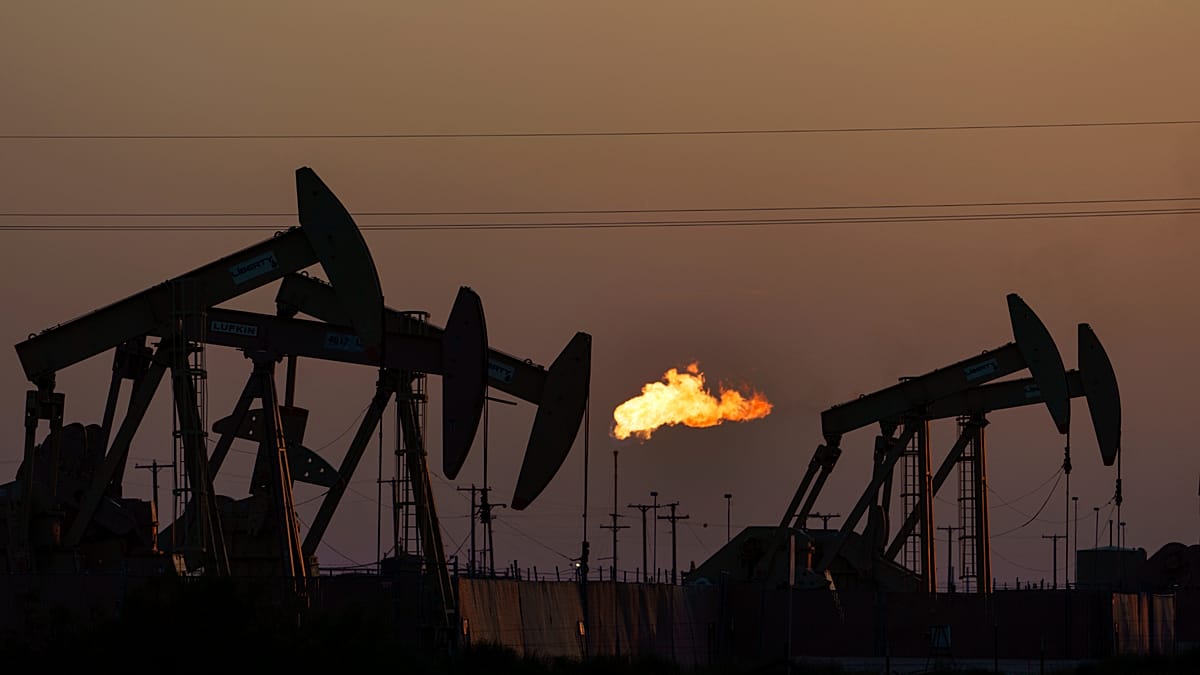
The European Commission is seeking input from its G7 partners over the fate of the price cap on Russian oil before proposing a new round of sanctions against Moscow, several officials and diplomats told Euronews. A presentation to ambassadors was expected to take place on Friday, but it has been tentatively moved to early next week.
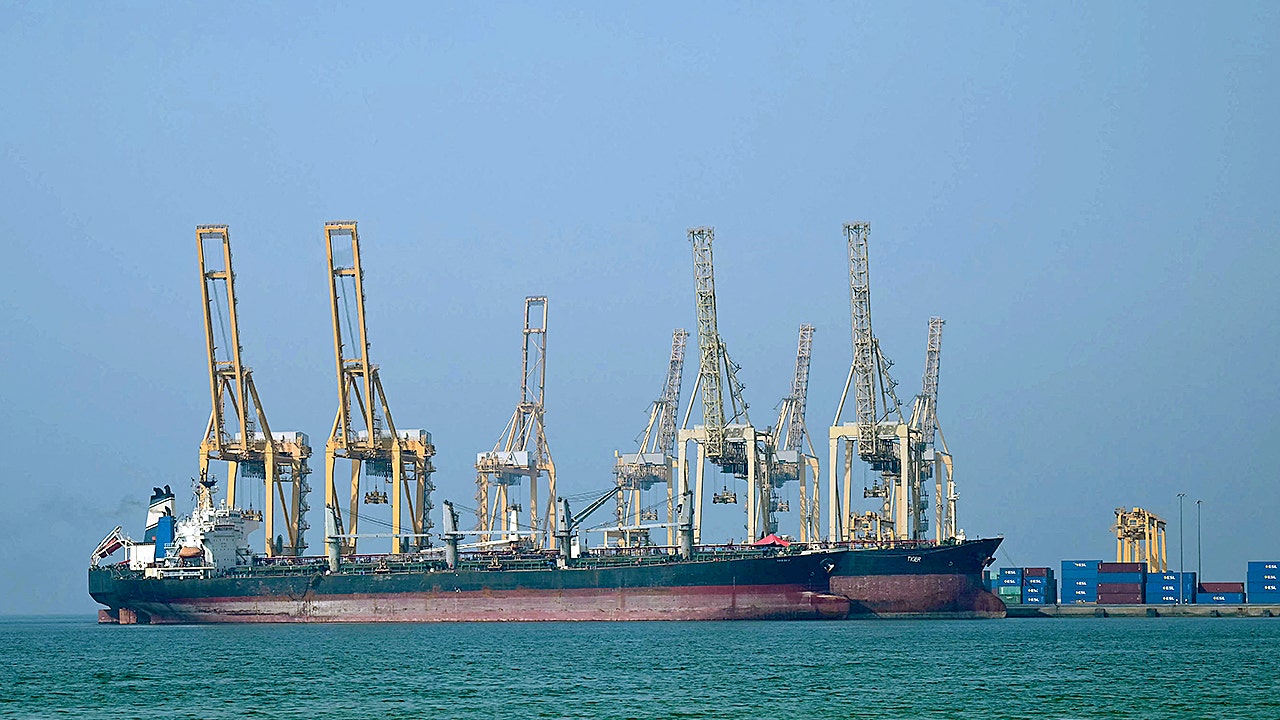
Among the ideas being floated for the new package is a full ban on maritime services.
The plan, publicly advocated by Finland and Sweden, would forbid EU companies from providing any type of service, such as insurance, shipping and port access, to vessels that carry Russian crude oil and refined petroleum products.
Until now, the EU has allowed such services to be offered – but only to tankers that comply with the G7 price cap, which has been in place since December 2022.
The cap was recently adjusted to $44.10 per barrel in an attempt to reflect market trends and tighten the screws on Russia’s war economy.
The dynamic price cap is followed by the EU, the UK, Canada and Japan, while the United States retains the original level of $60.00 per barrel.
Should the bloc go ahead with the blanket ban on maritime services, as Finland and Sweden have called for, the cap would effectively cease to apply within EU jurisdiction, as companies would be prohibited from servicing all Russian vessels without exemption, regardless of whether they sell above or below the price limit.
The Nordic duo believes the ban comes with multiple advantages: it could signficantly drive up material costs for Russia’s oil sector, be easier to implement for EU actors and crack down on falsified documents, which Moscow often uses to bypass sanctions.
However, the prospect of ending the price cap could be problematic for some member states, particularly if other G7 countries do not embrace the initiative. Any decision would require the unanimity of the 27 capitals.
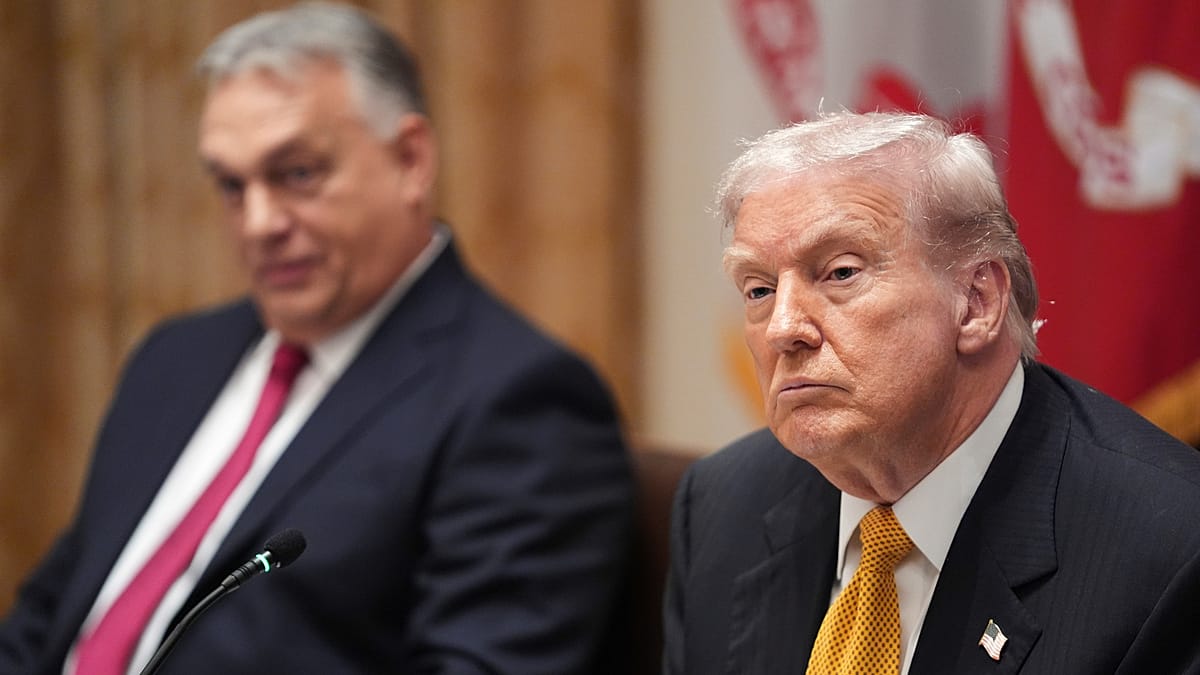
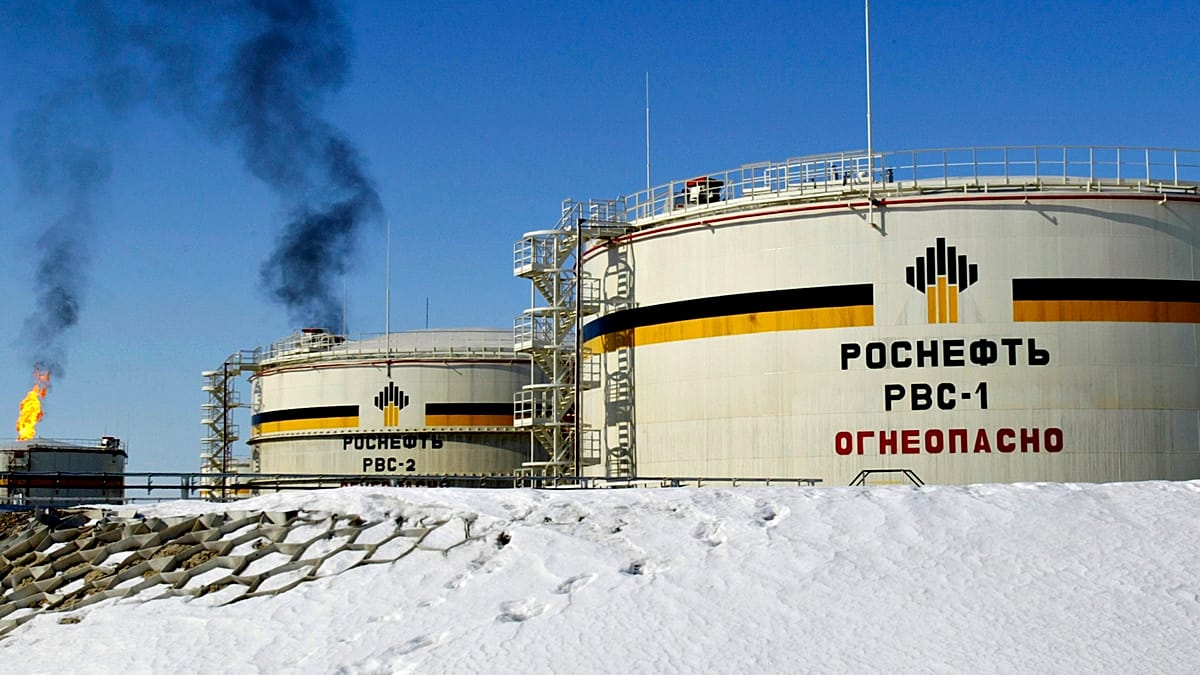
Brussels has tried to coordinate its course of action with the White House, which in October sanctioned Russia’s two largest oil companies, Rosneft and Lukoil, after a prospective summit between Presidents Donald Trump and Vladimir Putin fell apart.
Due to the dominance of the American dollar in global trade, the US sanctions had an extraterritorial effect, forcing Moscow to sell its Urals crude at a larger discount. The potential ban on maritime services could deal a fresh blow to energy revenues.
Still, the Trump administration has been reluctant to touch the price cap. Last year, it was the only G7 member that refused to make the cap into a dynamic mechanism.
Another factor at play is the ongoing negotiations led by Washington to strike a peace deal between Ukraine and Russia, which have so far rendered limited progress.
After two days of trilateral talks in Abu Dhabi, Ukraine and Russia agreed to swap 314 prisoners of war. Meanwhile, the US and Russia decided to re-establish high-level military dialogue for the first time in more than four years.
“We will see where the peace talks go,” US Treasury Secretary Scott Bessent has said, noting additional punitive measures were “under consideration” in Washington.
Besides maritime services, the next round of EU sanctions is expected to expand the blacklist of “shadow fleet” vessels and of entities suspected of helping Moscow access restricted items, with a special eye on China. According to Bloomberg, it could also ban Russian imports of iridium, rhodium, platinum and copper.
Brussels is keen to approve the 20th package of sanctions by the time the war crosses its fourth-year mark on 24 February. Ursula von der Leyen, the president of the European Commission, and António Costa, the president of the European Council, are set to travel to Ukraine on that date to reaffirm the EU’s continued support.
“Let’s see when exactly all the conditions are there for the adoption, but I can confirm that, in the past days, a lot of work has been going on with the 20th package of sanctions,” a Commission spokesperson said on Friday afternoon.
“We could expect it rather soon.”
Read the full article here