



 Weather

In the early part of the last century, Venezuela was considered the leading economy in South America. At least part of the story is that the country discovered massive oil reserves in 1922. Currently, the country has the largest reserves of any country, 303 billion barrels. While that sounds good on paper, it doesn’t change the fact that the economy is the poorest in South America. The puzzle is, how did it get so bad with all that oil wealth waiting to be monetized?
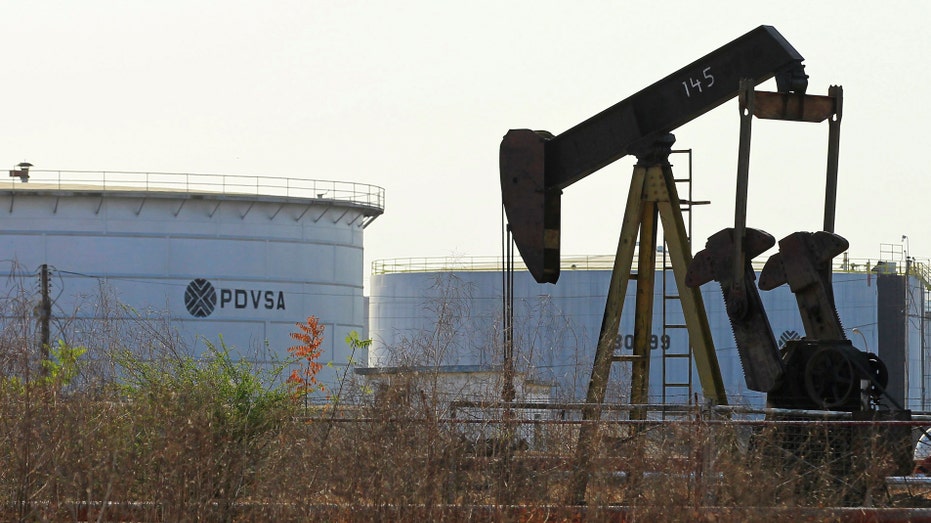
The first big move in the wrong direction was in 1976, when Venezuela’s government decided to nationalize all foreign oil companies in the country. In turn, the acquired new oil businesses were broadly placed under the already state-owned oil company Petróleos de Venezuela, S.A. (PDVSA).
Yet perhaps surprisingly, the economy didn’t initially crash. “What kept it up was they were still producing oil,” Robert Wright, a visiting professor of history at the University of Austin, told FOX Business. “It takes a while even for a socialist to screw it up.”
AFTER MADURO, VENEZUELA FACES HARD CHOICES TO REBUILD ITS SHATTERED ECONOMY
Going full-on socialist
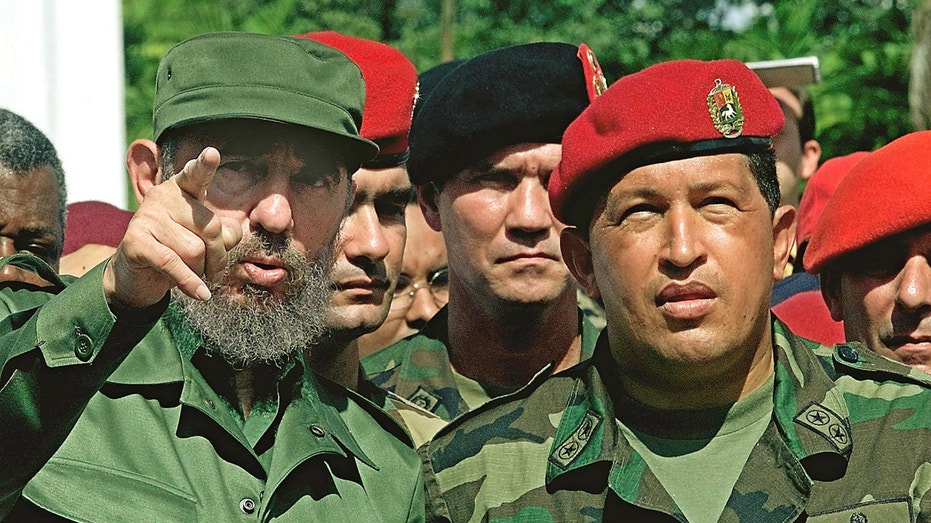
The next change came with the election of Hugo Chavez, in 1998. A year later, he introduced “Plan Bolivar,” which contained goals that involved “an antipoverty program that includes road building, housing construction, and mass vaccination,” according to the Council on Foreign Relations. The government’s desires might seem compassionate, but in reality, Chavez was about to go full-on socialist.
Crony corner
In 2002, the Chavez government fired the top executives at PDVSA and another 18,000 workers, many of whom were highly skilled in petroleum extraction. And a significant portion of those laid off emigrated to other countries. The issue now was who would get hired to run the oil business? It turned out that many appointments at PDVSA went to political cronies rather than skilled petroleum extraction experts.
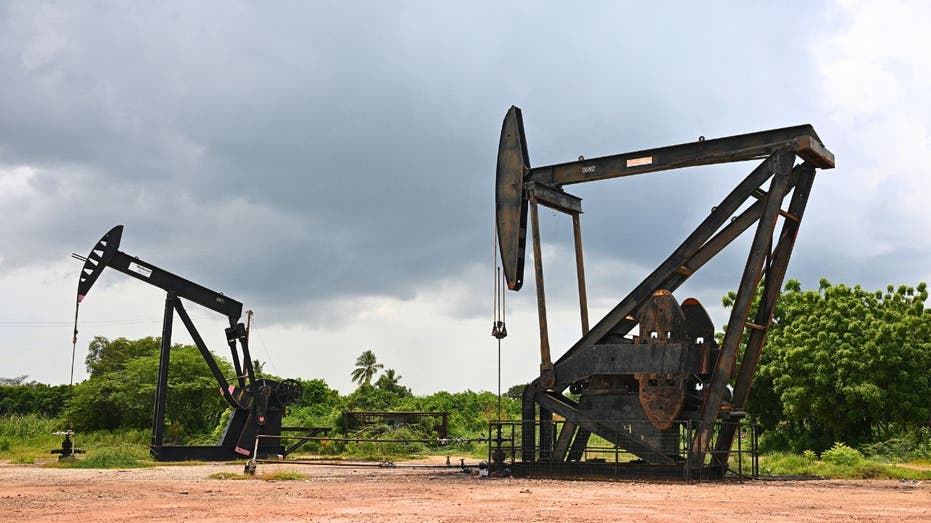
Without suitably skilled oil industry workers, the state-owned business declined; at first slowly, then very fast. “They didn’t run it like a business, and they did not reinvest in the company to keep it going,” Steven Blitz, chief global macro strategist at GlobalData TSLombard, told FOX Business. Recently, production was 1.1 million barrels a day compared with 3.7 million in 1970, according to data from Statbase.org.
Hyper Inflation Crushes the Country
Nicolás Maduro took over Venezuela’s presidential role in 2013 and made things worse.
US OIL GIANTS MUM AFTER TRUMP SAYS THEY’LL SPEND BILLIONS IN VENEZUELA
To placate the population, the government provided services to the country. But there was a flaw. “They paid for it by printing money, which of course led to hyperinflation,” Wright said. It began in 2016 and peaked at 375,000% in 2019, according to Trading Economics data.
There were other issues. “The government took the oil industry over, thinking it was going to be a cash cow,” Blitz said. “Eventually, the revenues fell.” And at that point, there was nothing else for the country to lean on; no major banks, no other significant sectors other than the sole-trader self-employed. Says Wright: “They never developed the economy.”
Over the past decade, Venezuela has been subject to multiple sanctions from the U.S. These sanctions are varied but primarily aimed to hamper the country’s rulers by imposing a multitude of bans, including prohibiting people from entering into financing arrangements with Venezuela’s government.
During the Maduro years (2013 through early 2026), the number of Venezuelans living in other countries jumped. In 2015, there were a mere 700,000, but that had jumped to approximately 7.9 million last year, according to the International Organization for Migration. It’s likely that at least some of those fleeing would have been the highly skilled workers, the ones that the country needs now.
CLICK HERE TO GET FOX BUSINESS ON THE GO
“The people who ran Venezuela had a singular view,” Blitz says. “They thought the party would never end.” But it did, and now many are hoping a new era — ushered in with Maduro’s ouster — is about to begin.