




 Weather
A U.S. military strike in northwest Syria resulted in the death of a leader affiliated with Al-Qaeda who was linked to an ISIS attack last month that resulted in the death of two U.S. Army soldiers and a U.S. civilian interpreter, the U.S. Central Command announced Saturday.
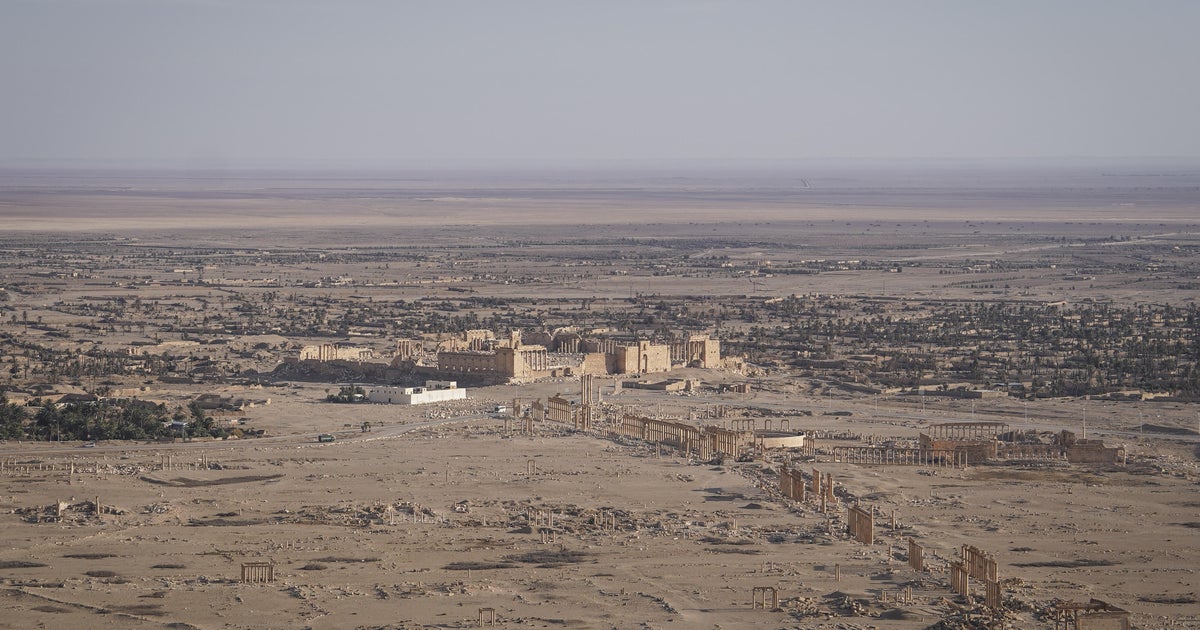
U.S. Central Command, which oversees U.S. military operations in the Middle East, conducted the strike on Jan. 16, killing Bilal Hasan al-Jasim, authorities said. Al-Jasim was allegedly directly connected with the ISIS gunman who killed Sgt. Edgar Brian Torres-Tovar, Sgt. William Nathaniel Howard and the interpreter and injured three other U.S. service members in Palmyra, Syria, on Dec. 13.
“The death of a terrorist operative linked to the deaths of three Americans demonstrates our resolve in pursuing terrorists who attack our forces,” Central Command Commander Adm. Brad Cooper said in a statement. “There is no safe place for those who conduct, plot, or inspire attacks on American citizens and our warfighters. We will find you.”
After last month’s ambush attack, President Trump vowed “very serious retaliation” in a Truth Social post.
On Dec. 19, the U.S. launched airstrikes against ISIS targets in Syria in retaliation. More than 70 targets were hit in those strikes, a U.S. official told CBS News at the time.
Last week, the U.S. launched more attacks in Syria, conducting large-scale strikes against multiple Islamic State targets, according to Central Command. In total, the operation “Hawkeye Strike” resulted in U.S. and partner forces hitting more than 100 ISIS infrastructure and weapons site targets, officials said.
In an earlier statement on Saturday, Cooper said the U.S. was welcoming efforts by all parties in Syria “to prevent escalation and pursue resolution through dialogue” and urged the Syrian government to stop attacks in areas between Aleppo and al-Tabqa.
“Aggressively pursuing ISIS and relentlessly applying military pressure requires teamwork among Syrian partners in coordination with U.S. and coalition forces. A Syria at peace with itself and its neighbors is essential to peace and stability across the region,” Cooper said.”