










Governmental ‘do not travel’ advisories are growing more numerous as conflicts rage around the world, and it may seem like a lot of your bucket list destinations are now off limits.
ADVERTISEMENT


ADVERTISEMENT
So if you are planning a trip and want to prioritise safety, use this new data to help guide you.
The Global Peace Index – the world’s most comprehensive annual ranking of peacefulness across 163 countries – has released its top ten for 2026.
From a volcanic island with no army to an Asian city-state that has topped safety rankings for years, here are the ten most peaceful countries on earth right now.
Is travel getting more dangerous?
The 2026 Global Peace Index (GPI) finds that the world has continued its longstanding trajectory of deteriorating peacefulness, with armed conflict the dominant driver of the decline.
There are now more active state-based conflicts than at any point since the end of World War II, while the number of countries involved in external conflict has nearly doubled since 2008.
The civil war in Sudan, the protracted conflict in Ukraine, and the brief but consequential Twelve-Day War between Israel, the United States, and Iran have left the international
environment in a more fragile and militarised state than at any point in the life of the Index.
It should be noted that this year’s Index only partially captures the impact of the 2026 Iran War, as many of the conflict indicators cut off at the end of 2025.
In terms of tourism, it means governments have added yet more countries to their travel advisories this year.
For the UK, for example, 76 out of 226 countries or territories with foreign travel advice pages are currently listed as containing no-go zones due to issues like security dangers and health risks.
This year is the 20th edition of the GPI, which ranks 163 independent states and territories according to their level of peacefulness, covering 99.7 per cent of the world’s population.
It uses 23 qualitative and quantitative indicators to measure the state of peace across three domains: the level of societal safety and security, the extent of ongoing domestic and international conflict, and the degree of militarisation.
This year’s results show that the average level of global peacefulness deteriorated by 0.7 per cent over the past year.
Of the 163 countries on the Index, 99 deteriorated in peacefulness and 62 improved. There
are now 119 countries that are less peaceful than they were in 2008.
Where is it safest to travel to in 2026?
The GPI can be a useful barometer of a country’s overall stability. However, it should be remembered that it offers little indication about a visitor’s day-to-day experience, and does not track destination-specific risks such as petty crime hotspots, road safety or natural hazards, explains Steve Killelea, founder of the Institute for Economics & Peace and creator of the GPI.
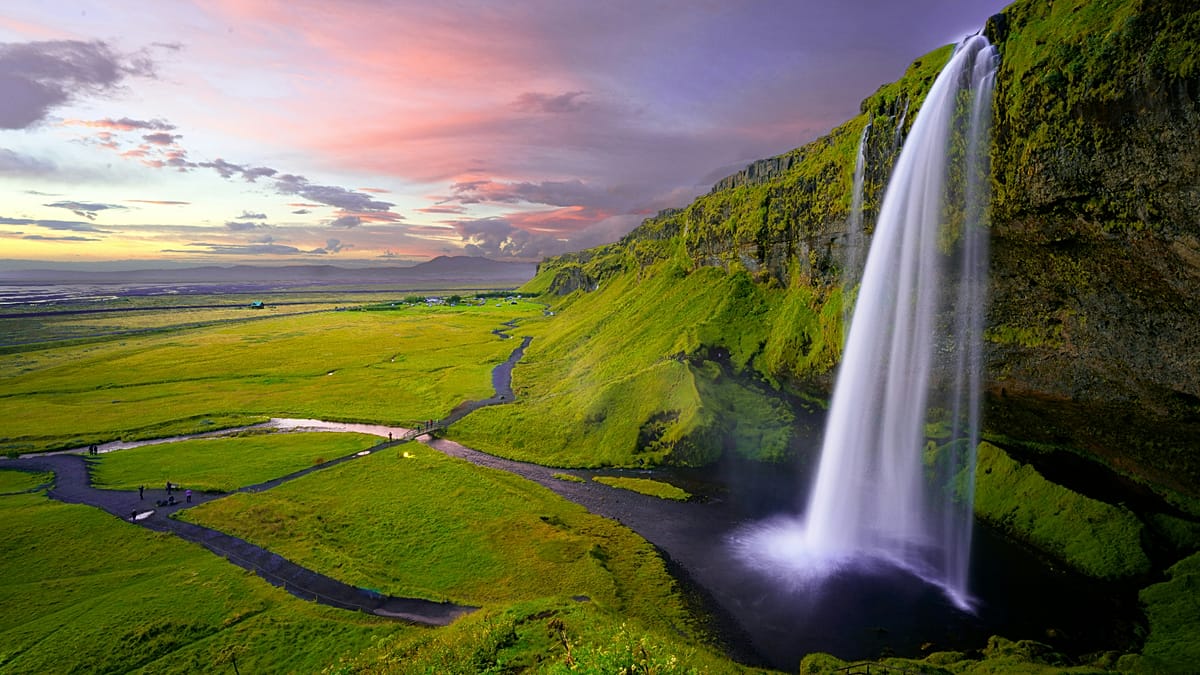
Iceland remains the most peaceful country in the world for the 19th year running. It has no standing military, extremely low crime and high social trust. The data describes it as peaceful “by a significant margin”.
In 2026, New Zealand has risen one place to second globally. It records the lowest ongoing conflict score of any country in the Asia-Pacific region.
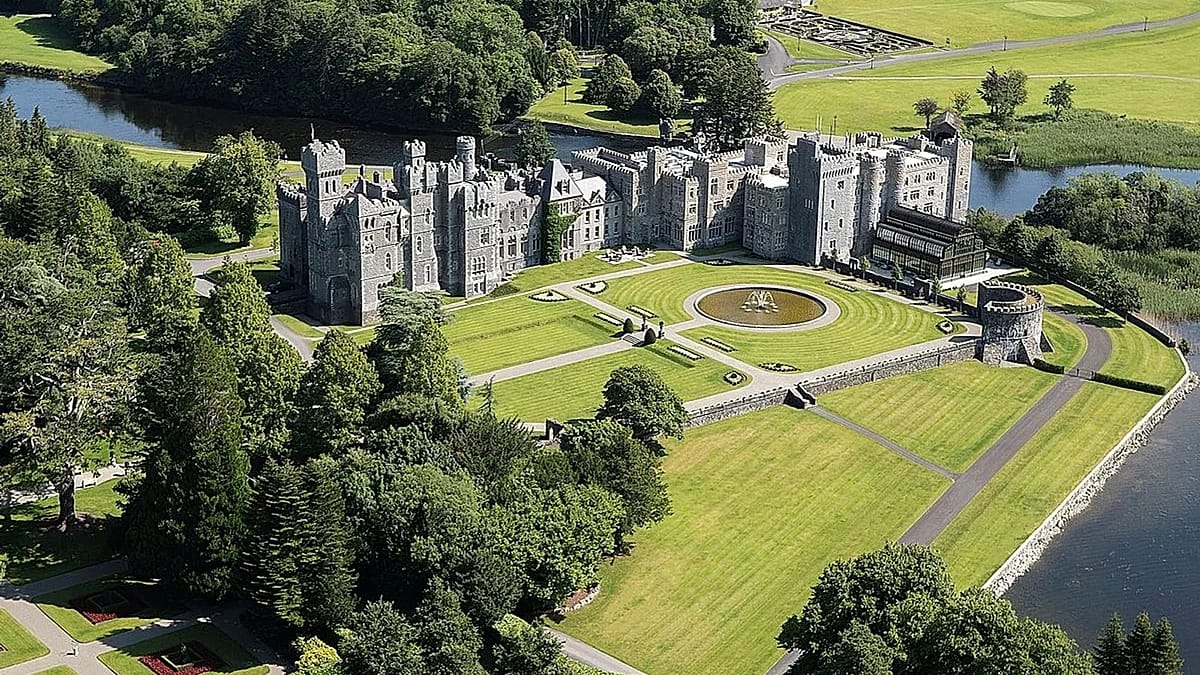
Switzerland comes in third globally, while Slovenia rose two places to fourth, quietly establishing itself as one of Europe’s most peaceful destinations. Ireland ranked fifth globally; warm, welcoming and consistently among the world’s most peaceful nations.
Russia is the least peaceful country, with Sudan, the Democratic Republic of the Congo, Ukraine, and Israel completing the bottom five.
Western and Central Europe remain the most peaceful regions, and the Middle East and North Africa the least peaceful.
The Eastern Europe and Central Asia region was the only one of the eight GPI regions to improve on average over the past year, while South Asia recorded the largest regional deterioration, driven by falls in peacefulness in Nepal and Pakistan.
Poland recorded the largest country-level improvement, with its overall score improving by 9.1 per cent and the country rising 23 places to 22nd globally, driven by a 17.5 per cent improvement on the ongoing conflict domain.
Gabon, Lesotho, Ukraine, and Türkiye recorded the next largest improvements, the last reflecting a sustained peace process between the Turkish government and the Kurdistan Workers’ Party.
Nepal recorded the largest deterioration, with its overall score falling by 9.1 per cent following the Gen Z protests of September 2025, followed by Chad, the Republic of the Congo, Pakistan, and Tanzania.
The United States deteriorated by four per cent, mainly due to an increase in political
instability, which deteriorated by 38.5 per cent. Violent demonstrations in the United States also increased substantially. The country is now ranked 134th on the GPI.
Travellers should also remember that the GPI ranks national peacefulness, not visitor risk.
“It’s an excellent guide to a country’s overall stability, but travellers should still consult official foreign-office advisories and destination-specific guidance for practical, on-the-ground planning,” urges Killelea.
Read the full article here