








As an aside, be wary of the germs floating around Brussels. Although it’s not pestilence per se, my doctor said it is nasty, and has even struck down at least one senior European Commission spokesperson.
ADVERTISEMENT


ADVERTISEMENT
Tensions high: On the third anniversary of the October 7 attacks on Israel – in which Hamas killed around 1200 people and took 251 hostage, triggering an Israeli offensive in Gaza which has killed over 70,000 Palestinians – the European Parliament has become the scene of a fresh political clash.
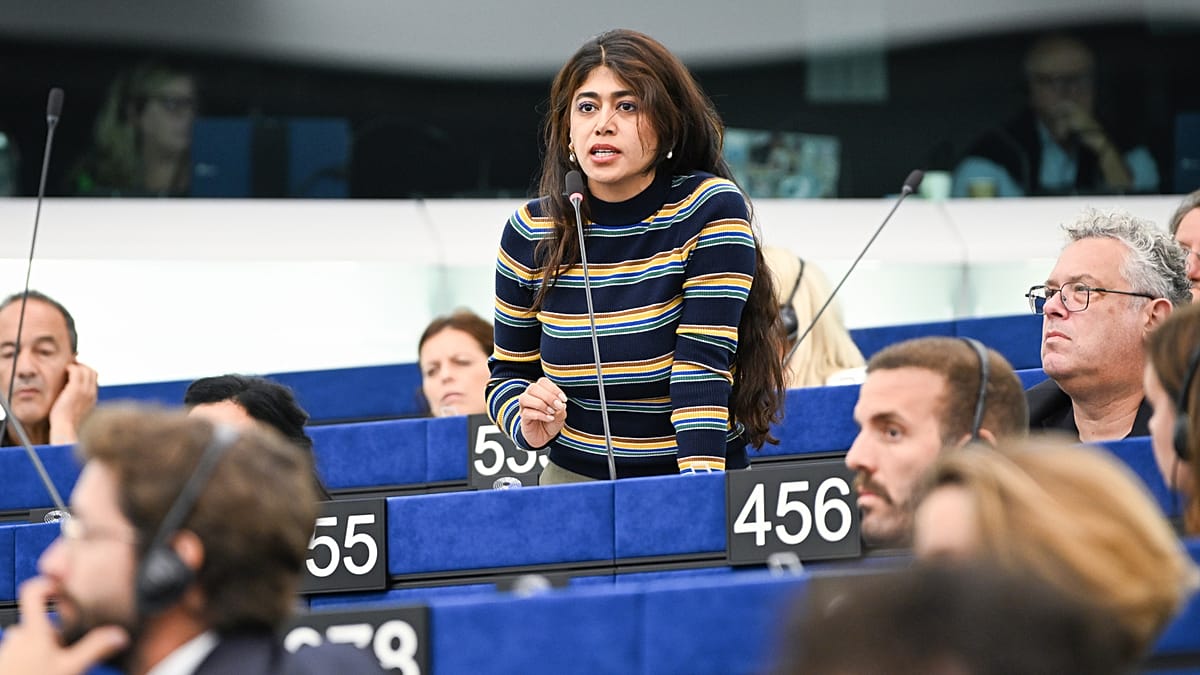
Israeli flag removed: On Monday evening, Rima Hassan, a Member of the European Parliament (MEP) from the far-left France Unbowed party, reportedly knocked over an Israeli flag displayed at an exhibition dedicated to victims of the attack. Photos on social media show both the Israeli and EU flags lying on the floor.
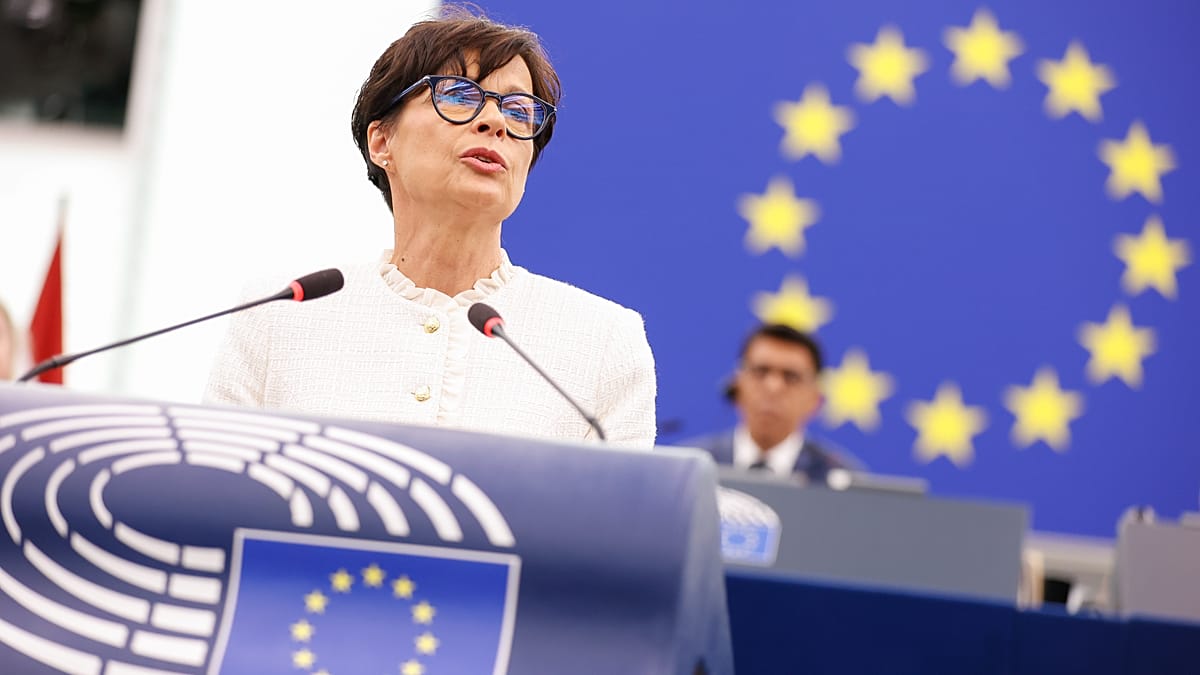
‘Intimidation’: The Parliament’s President, Roberta Metsola, told the chamber yesterday that she took the incident “extremely seriously” and that all appropriate measures were being taken against Hassan, without naming her. “We cannot have actions that could make people fearful of speaking. We cannot have damage to property. And we cannot have attempts to intimidate rather than to debate,” Metsola said.
Hassan has acknowledged removing the Israeli flag but denied intentionally toppling the EU flag, with her office noting in a statement that neither flag was “stepped on or damaged”.
She has also framed her actions as a response to the Israeli state’s support for the exhibition, and claimed that speeches made during the event denied the existence of Palestine.
Outrage: The incident has sparked widespread outrage, with centre-right MEP François-Xavier Bellamy describing the act as a “form of complicity with those who want to reintroduce antisemitic hatred” in Europe. Israeli Foreign Minister Gideon Sa’ar has also described the scenes as “shameful, outrageous, but sadly not surprising”.
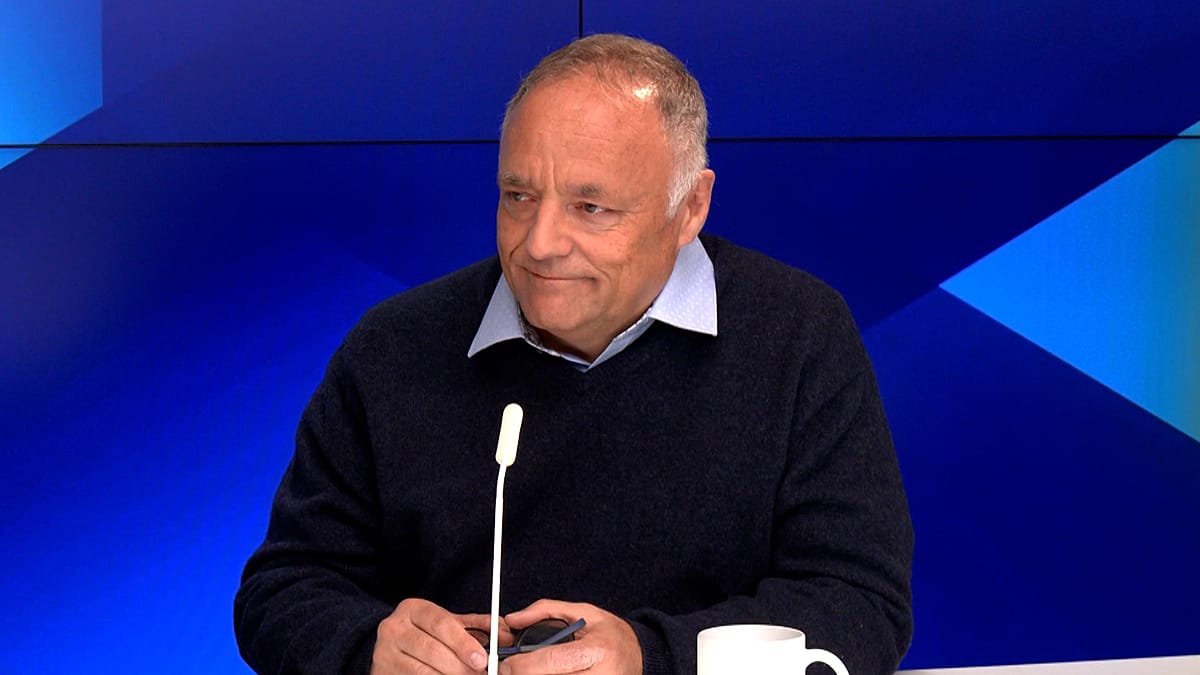
‘Disrespectful’: “I cannot understand how a person that aims to be a politician, that aims to represent the public, can be so violent and disrespectful of the death of thousands of people that has been caused by the same cause that she’s trying to help,” the Israeli ambassador to France, Joshua Zarka, told our chief editor Maria Tadeo in an interview.
He also claimed that the French people were “tired of her (Hassan’s) behaviour, of what she represents, of her attempt to import the Israeli conflict into France”. Hassan is currently awaiting trial over allegations she promoted terrorism in a post on X referring to a Japanese man responsible for a terror attack in Israel in the 1970s.
Antisemitism in France in the spotlight: Historical allegations of antisemitism within the far-right National Rally have also resurfaced in recent days ahead of a highly anticipated presidential election next year, after media outlet Mediapart published antisemitic messages reportedly attributed to the party’s Jordan Bardella. Bardella denies making the statements.
‘Only one anti-Semitic party in France’: Ambassador Zarka told Maria that Israel is following the allegations against Bardella closely and “will react (…) once it is clear that these allegations are true”. But he added that there is “one party that is openly antisemitic in France, and that’s LFI (France Unbowed)”. Watch.
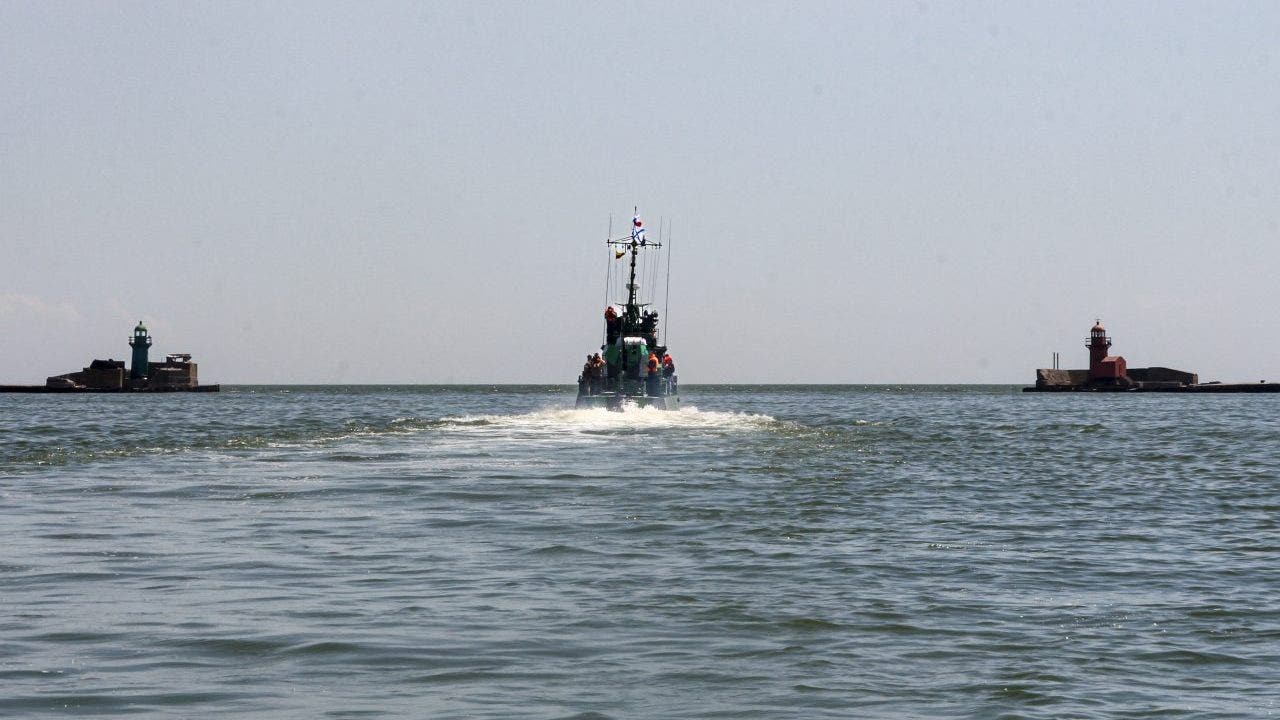
D-Day: Meanwhile, Europe’s eastern flank continues to be rattled by hybrid warfare. But a fatal drone incursion off Romania’s coast on Monday, which killed two and injured scores more, begs the question whether these incidents continue to be “hybrid” – and who is to blame, Angela Skujins writes.
Another incident occurred on Tuesday 130 kilometres off Bulgaria’s coast, with drones sinking one commercial ship and the other catching fire. Crews were evacuated from the scene.
‘Absolutely unacceptable’: The country’s prime minister, Ruman Radev, didn’t mince words when decrying the incident, blasting it as an “absolutely unacceptable attack” and a “flagrant violation of international law and maritime norms”. He stopped short, however, of attributing blame.
Blame hasn’t been attributed to the Romanian incursion, either. But Ukrainian President Volodymyr Zelenskyy said Monday’s “horrific strike” was carried out by the Kremlin on a civilian vessel in neutral waters.
Trifecta: A Turkish-owned vessel was damaged in the Romanian incursion, meaning a trio of North Atlantic Treaty Organisation (NATO) members were impacted by the spate of recent incidents. A press officer from the Alliance referred Angela to the Bulgarian authorities when pressed for a response.
Health alert: Meanwhile, Jorge Liboreiro reports that representatives from the European Commission and member states will today discuss the suspected outbreak of pneumonic plague in Siberia, Russia, as national authorities scramble to get a clear picture of the situation.
A meeting of the Health Security Committee, which evaluates serious cross-border health threats, was already scheduled for this morning. But the latest developments have brought a new item to the agenda.
Russia has denied that the lab worker in Siberia died from the plague, but circumstances remain murky. The European Centre for Disease Prevention and Control (ECDC) said the suspicion of a plague outbreak was “not yet confirmed”.
“There is little travel between Irkutsk and the EU, particularly at present due to Russia’s war against Ukraine,” the agency said in a statement. “Based on the limited information currently available, there are no reports of secondary cases or sustained human-to-human transmission.”
For those feeling anxious, our colleague Marta Iraola answers all your burning questions about pneumonic plague.
Almost there: EU ambassadors will today seek to finalise a list of over 1,600 people and companies accused of supporting Russia’s full-scale invasion of Ukraine. The political talks have proceeded well, and the legal work is completed. The goal is to have a formal agreement next Monday when foreign ministers meet.
If approved, it will be the largest single expansion of the sanctions list, which currently covers almost 3,000 names. Brussels is keen to portray resolve and unity after the bruising saga last month that resulted in two high-profile oligarchs being removed from the sanctions list.
EU-China trade tensions: Five things to know as Brussels and Beijing face crunch talks
After months of tensions, relations between Brussels and Beijing are entering a crucial phase, with the European Commission having set October as a deadline to secure “tangible” results with Beijing to rebalance their trading relationship.
Talks will take place in Beijing at the end of this week between EU Trade Commissioner Maroš Šefčovič and his Chinese counterpart, Wang Wentao. They will be followed by a meeting of EU leaders next week, with China set to top the agenda.
For European policymakers, the diagnosis is increasingly clear: the situation is unsustainable, with a new wave of Chinese competition putting pressure on the EU’s industrial base two decades after China’s rapid economic expansion began — and putting thousands of jobs at risk.
Euronews’ Peggy Corlin breaks down the five things you need to know ahead of the talks.
More from our newsrooms
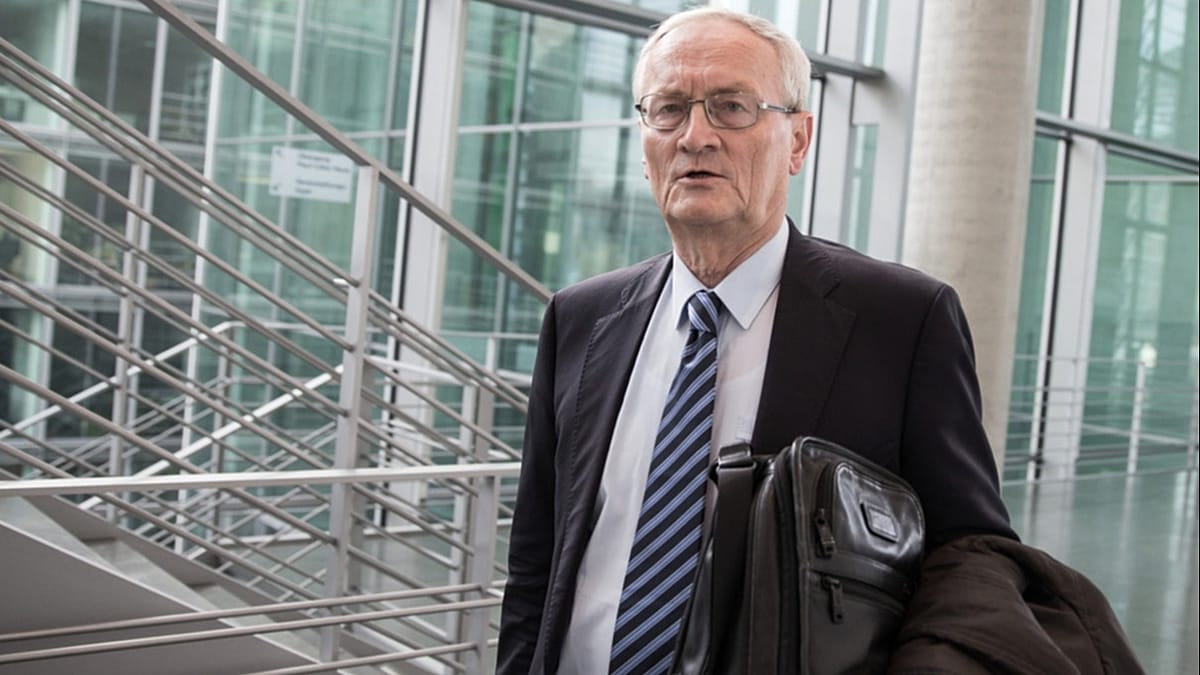
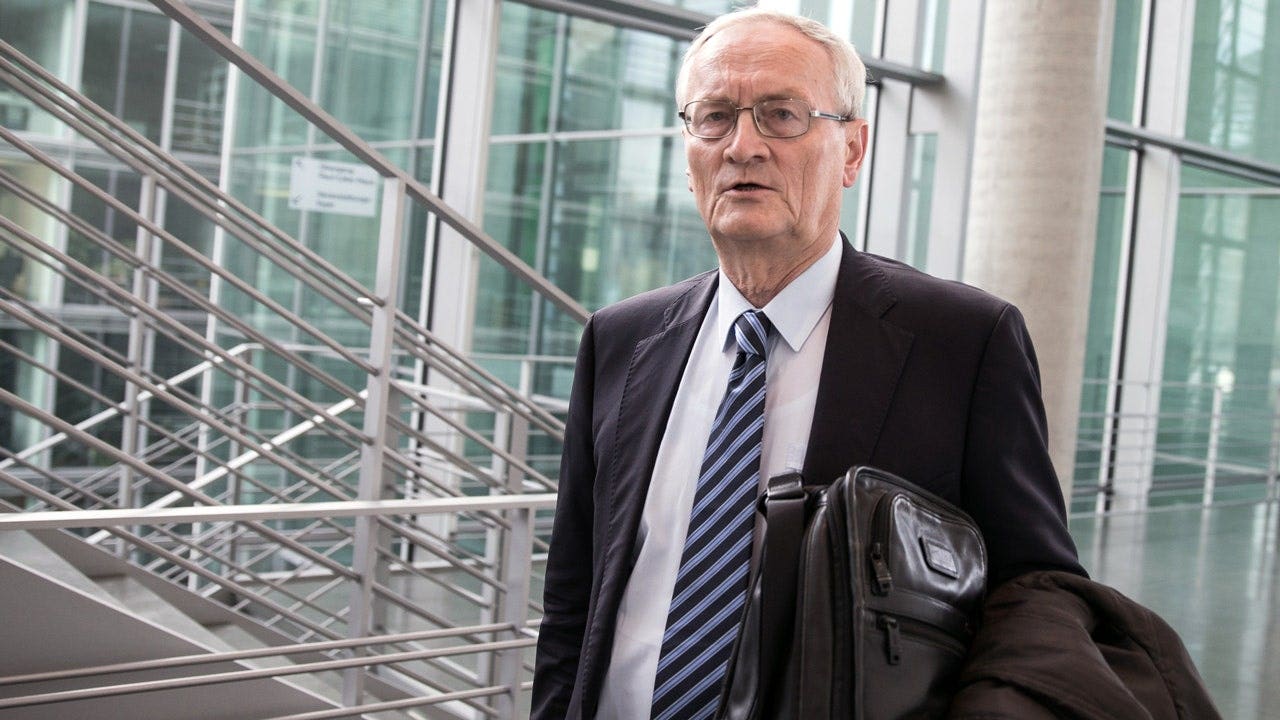
Ex-German intelligence chief arrested over suspected espionage. Former German intelligence chief August Hanning is accused of obtaining classified information from a former employee of the Federal Intelligence Service (BND) and using it in connection with his private consultancy work, with investigators reportedly examining whether information was passed to foreign powers. Patrick Drews and Sonja Issel have the details.
France’s sovereign debt crisis explained: How dangerous could it be? French borrowing costs have hit their highest level since 2002, and the gap with Germany is the widest since 2011. Piero Cingari breaks down what’s driving France’s debt crisis and how dangerous it could be.
Von der Leyen turns to Europe’s refineries as shrinking capacity raises energy security concerns. Europe wants to reduce its dependence on fossil fuels, but while it still relies heavily on oil — particularly diesel — reducing the infrastructure that processes that oil has increased vulnerability during the green transition. Marta Pacheco explores Europe’s energy crunch.
We’re also keeping an eye on
- The European Parliament’s plenary session continues in Strasbourg. MEPs debate the EU’s multi-annual budget in the morning and the influence of the Muslim Brotherhood network in the EU in the afternoon.
- European Commission President Ursula von der Leyen attends the Summit of Southern European Union countries (MED-9) in Split, Croatia.
- European Commissioner for Trade Maroš Šefčovič travels to Beijing to hold two days of trade talks with his Chinese counterpart Wang Wentao.
- The EU’s foreign policy chief Kaja Kallas visits Lebanon.
- European Commissioner for Agriculture Christophe Hansen meets French Prime Minister Sébastien Lecornu in Paris, France.
That’s it for today. Angela Skujins, Vincenzo Genovese, Jorge Liboreiro and Peggy Corlin contributed to this newsletter.
Read the full article here