









Spain is pushing the European Commission to treat climate adaptation as a core economic and security priority, arguing that Europe can no longer rely on reactive measures as extreme weather becomes more frequent and costly, according to two documents seen by Euronews.
ADVERTISEMENT


ADVERTISEMENT
Madrid’s plea comes as Brussels is preparing a climate resilience strategy, due by the end of the year, which Spain argues should have more teeth, after a dramatic summer marked by heatwaves, wildfires and drought.
At the same time, Spain is hoping to influence the ongoing negotiations on the next EU multi-annual budget covering 2028-2034, and is proposing a dedicated European Climate Adaptation Fund. It is also floating new EU revenue sources, including a tax on oil and gas profits, while leaving the door open to common European debt instruments.
“Our proposal puts forward a comprehensive approach to anticipating and assessing climate risks, integrating resilience into planning and investment decisions, strengthening our collective response to emergencies, and creating the necessary financial conditions to drive adaptation across Europe,” reads a letter sent by Spain to Climate Action Commissioner Wopke Hoekstra and seen by Euronews.
The consequences of inaction in the European continent have been devastating this summer.
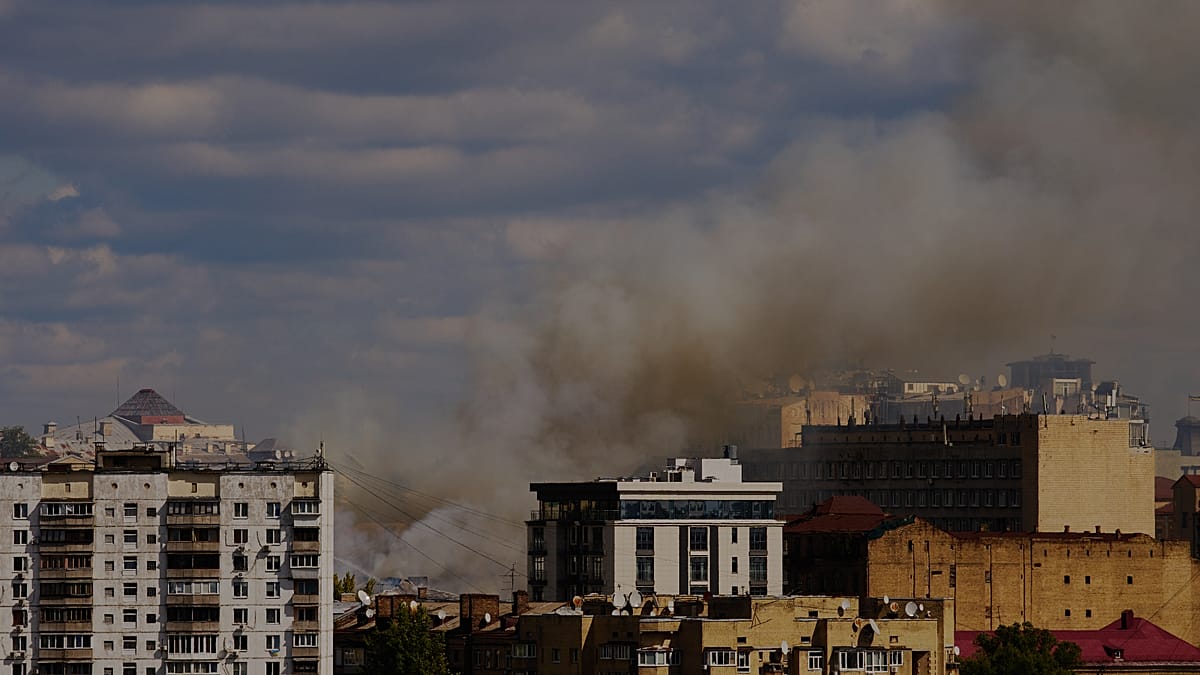
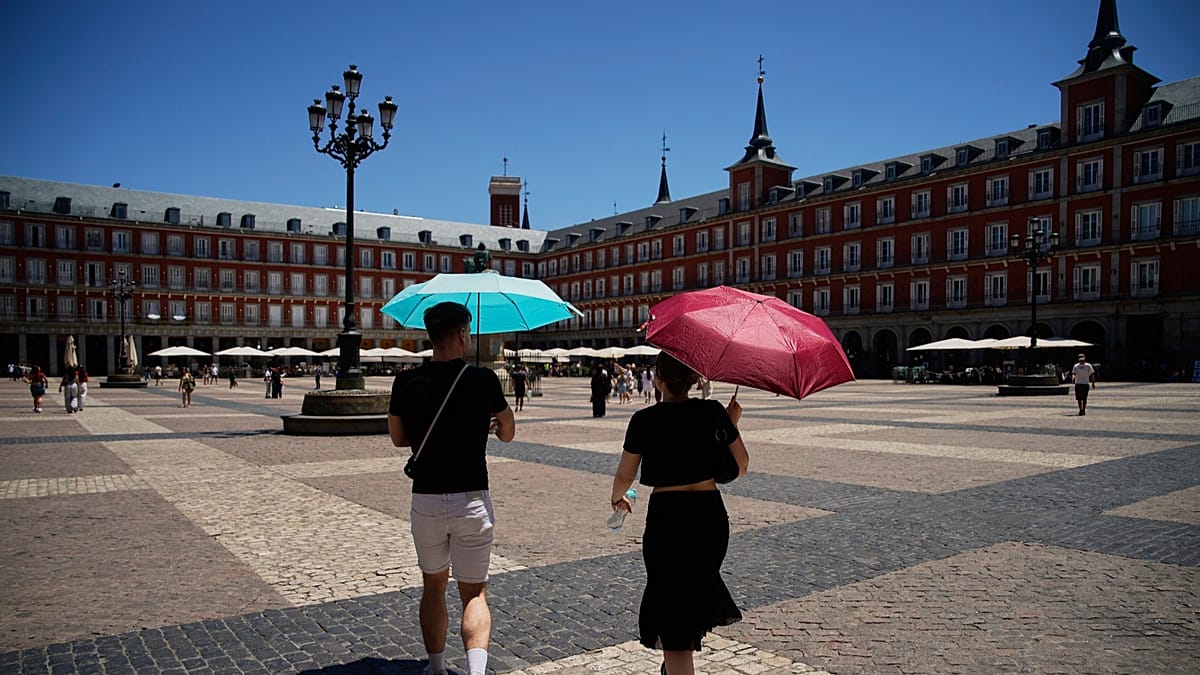
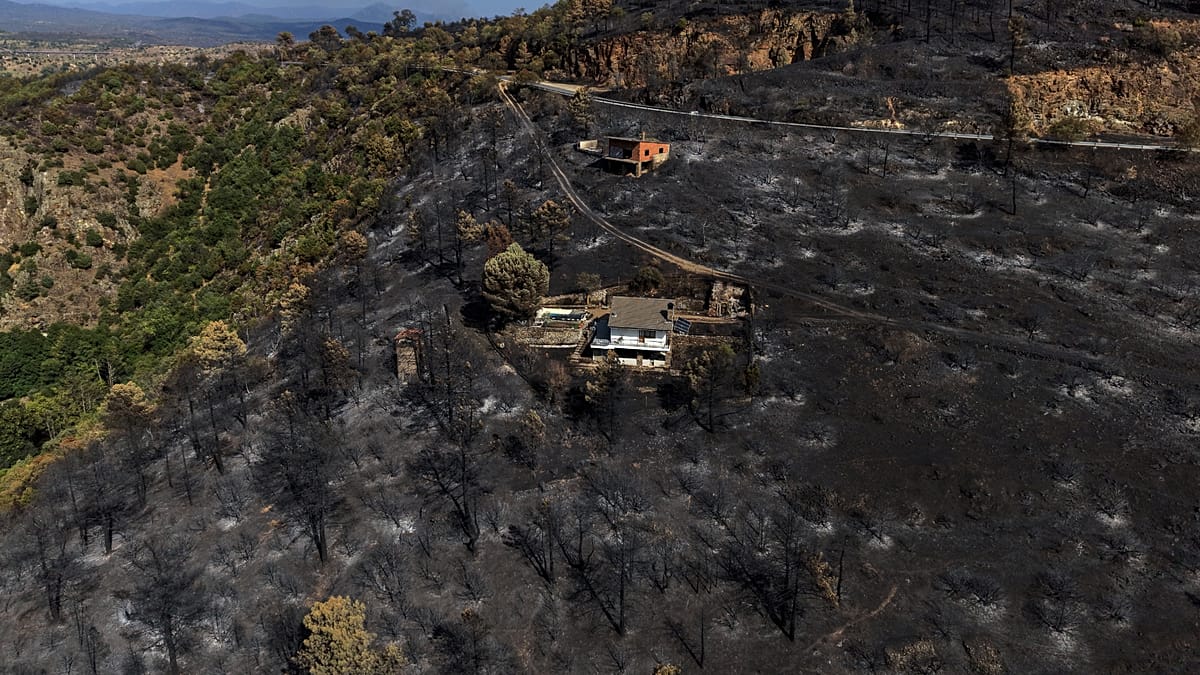
Excess deaths linked to heatwaves in Europe reached roughly 30,000, according to European national health data and the EuroMOMO mortality monitoring platform. More than 600,000 hectares have burned across the EU this year, according to the European Commission, more than twice the long-term average over the past two decades.
Drought in the Danube led to the shutdown of nuclear power plants in Hungary and Romania, while low water levels in the Rhine disrupted trade.
The southern European capital wants climate risks to be systematically factored into public investment, infrastructure and planning, rather than assessed as a box-ticking exercise after decisions have already been made.
In the face of increasing climate risks, Sara Aagesen, Spain’s Minister for the Ecological Transition and the Demographic Challenge, leading energy and environment portfolios, said “we need a comprehensive approach to anticipate and assess” them “for the sake of the present and future generations”.
“There are no solutions without a good diagnosis, so we propose (to the European Commission) to carry out a risk analysis at the European, national and regional levels into planning and all investment decisions,” Aagesen said on Friday.
Madrid wants to go deeper, calling for binding EU adaptation targets, initially focused on exposed areas such as water, health, infrastructure, agriculture and biodiversity.
Spain also wants the upcoming proposal to toughen the EU’s investment rules by expanding the existing principle that requires any economic activity, investment, or project must not cause substantial damage to the environment to include a resilience component, not only to avoid environmental damage but also to account for future climate risks.
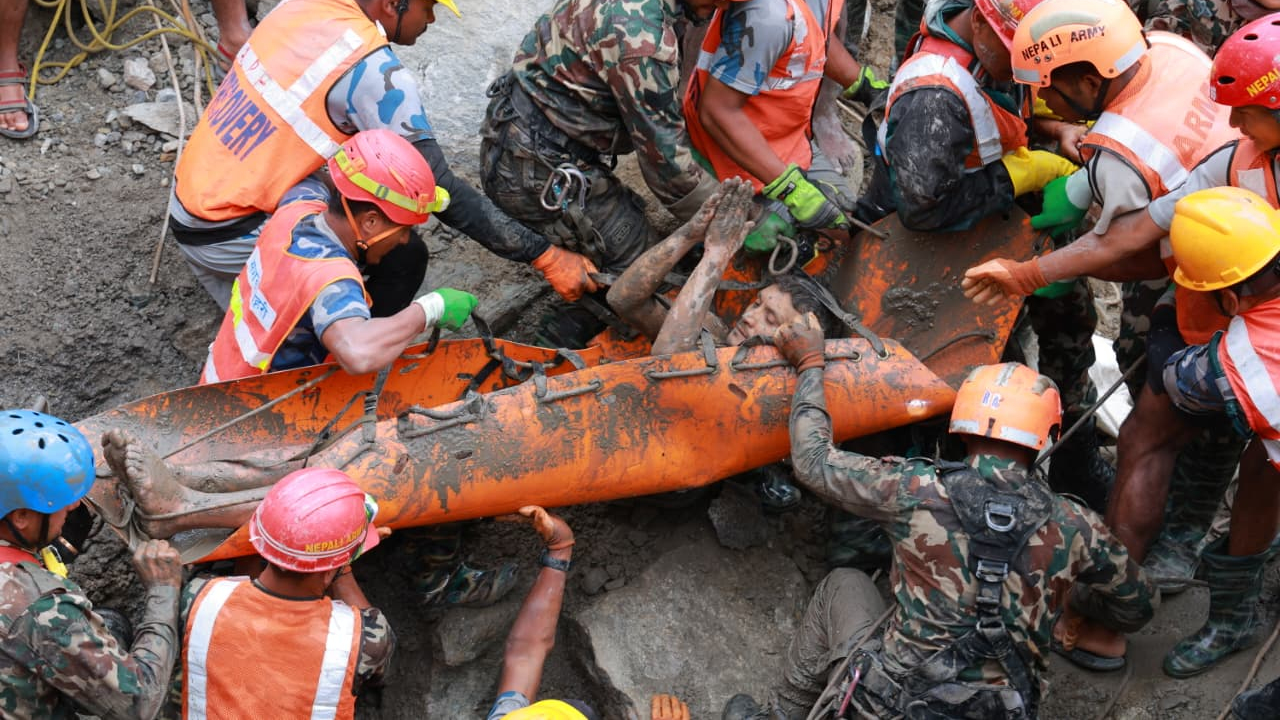
To improve preparedness, Madrid wants the EU to be better equipped when disasters hit. To do that, it is proposing turning the existing EU civil protection mechanism, rescEU, into a permanent EU climate emergency response mechanism, potentially including a shared firefighting fleet, common disaster-response equipment, data systems and emergency protocols.
However, the most politically sensitive part of the Spanish plea is likely to be how to pay for climate adaptation.
Environmental groups criticised the Commission’s decision to cut previous EU funding for nature, the LIFE program, and to use money from the European Competitiveness Fund instead.
With ongoing sensitive political talks on the bloc’s budget for the next 7 years, Spain is warning that climate resilience is as much an environmental issue as a security and competitiveness one, with estimates of the economic damage from wildfires ranging from €50 billion to €70 billion or more, according to Commissioner Hoekstra.
The EU Irish Presidency, currently leading discussions among EU countries, is expected to propose a new compromise text on the multi-annual budget by mid-October, when EU leaders will gather in Brussels for the European Council summit.
To reach a final deal, all 27 EU countries must agree on the budget, which then needs backing from the European Parliament.
Read the full article here