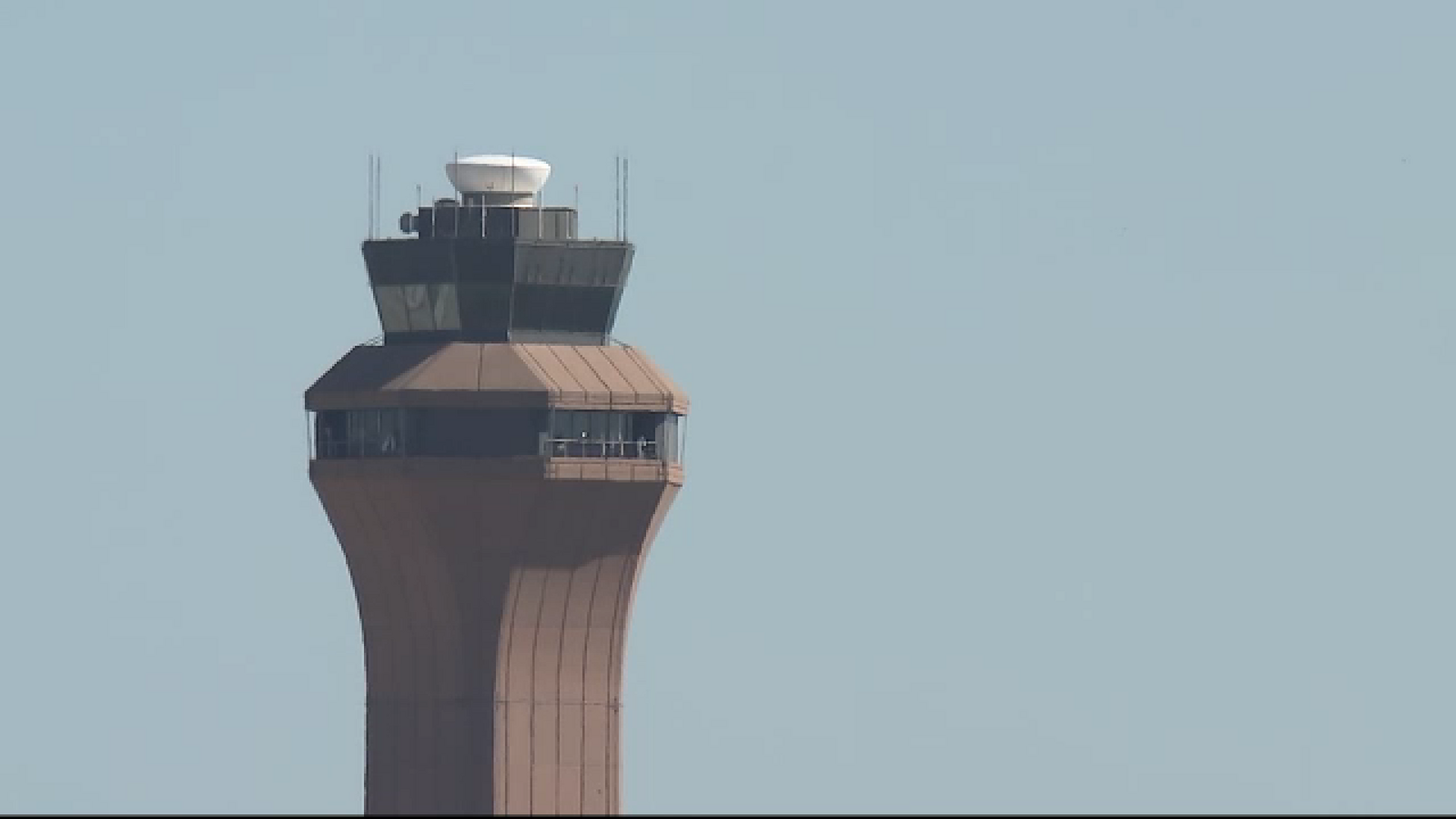









A nationwide overhaul of aging air traffic control infrastructure is underway, with Los Angeles International Airport (LAX) helping lead efforts to introduce new technology, train controllers more efficiently and improve aviation safety.
The modernization follows several incidents that have highlighted concerns about aviation communication systems.
In January 2025, an Army helicopter collided with a passenger jet, killing 67 people. It is believed that the helicopter pilot might not have heard a key directive.
In August, Marine One, carrying President Donald Trump, came within 1 mile of a passenger jet because of communication failures linked to White House construction.
“What we essentially want to do is transform our air control system,” said Chris Rocheleau, a former Federal Aviation Administration (FAA) administrator.
The FAA has been trying to upgrade its systems for years. Last year, Transportation Secretary Sean Duffy received a $12.5 billion down payment to modernize the nation’s aging air traffic control infrastructure.
The plan includes replacing telecommunications equipment with fiber or satellite technology and installing new radios. The upgrades will apply to more than 4,500 sites.
“What we really want to get to, though, is making sure that we have this infrastructure in place. We’re also building on that in the future, using software tools to make the transit between two locations for the flying public even more efficient,” Rocheleau said.
Sherry Avery, the air traffic manager at LAX, said the upgrades could make air traffic operations safer and more efficient.
“There’s never a bad time to get new technology, because, when you say, ‘It makes it safer and more efficient,’ bring it on,” Avery said.
The FAA also adopted a more efficient hiring process amid the need for thousands of new air traffic controllers, allowing the agency to surpass its hiring goals.
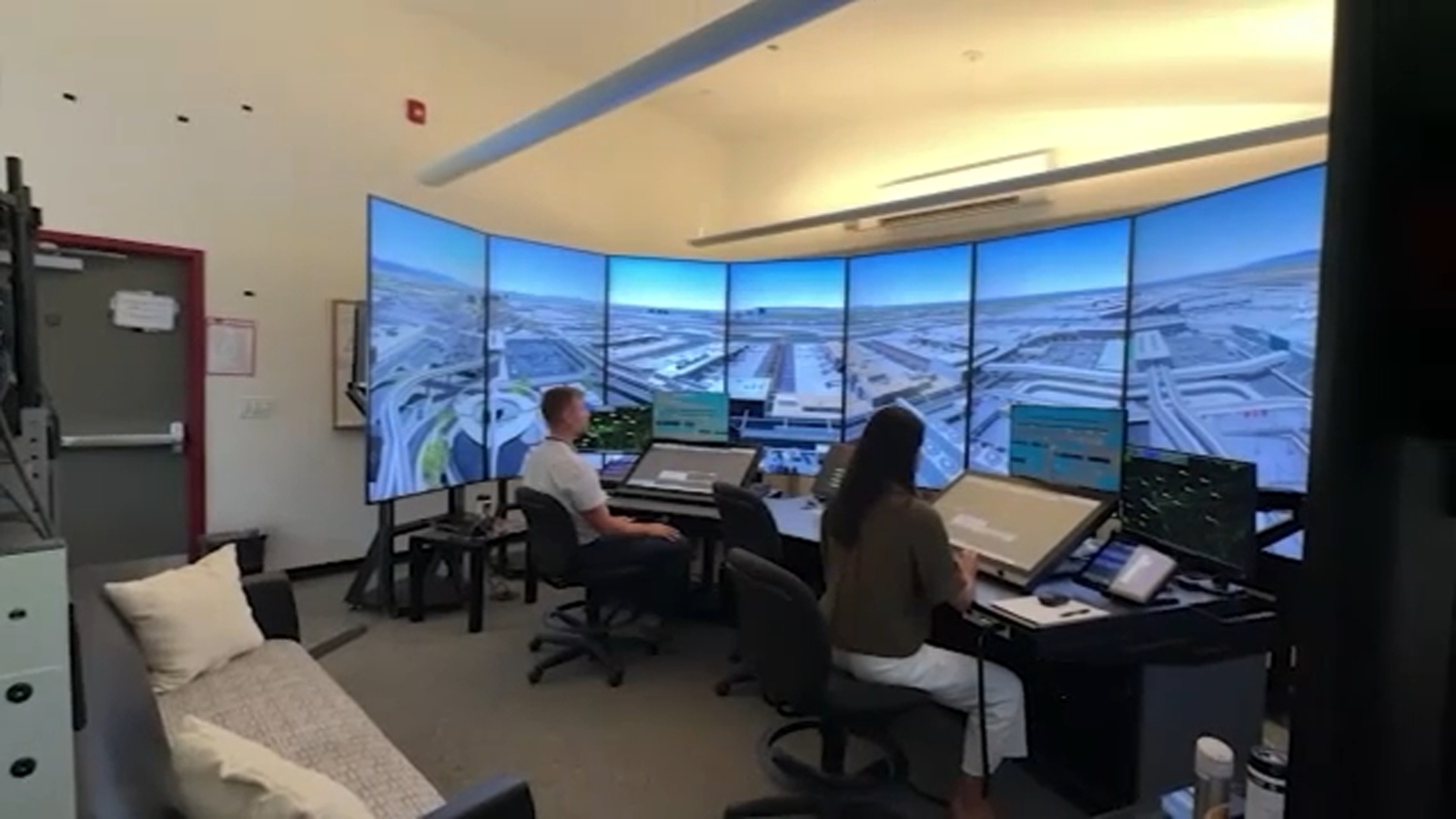
At LAX, a high-tech air traffic control simulator has decreased training time by 30%. Trainees can use the simulator while also gaining experience in the airport’s control tower.
“While people are in the simulator here, they also have been working upstairs, so they know exactly when they come down here, ‘Oh yeah, that is this.’ They can acclimate one to the other, so it’s just very handy. Here you get to practice, which is just invaluable,” Avery said.
The LAX simulator uses equipment that will soon be available at other airports across the country.
LAX is also among the first airport control towers to go digital. Controllers there no longer use paper strips to track flights, allowing them to spend more time watching air traffic.
“It was a lot of moving around where you couldn’t keep your eyes on your traffic compared to this. This, you just look at the screen,” Avery said. “If you want to change somebody’s flight strip to the controller across, you just push the button, and it transfers electronically, so that controller over there now sees that flight on his. It’s just amazing.”
The nationwide infrastructure overhaul will take several years to complete. Officials say the new technology will also be critical to retaining the thousands of new controllers tasked with helping keep air travel safe.
“One of those areas that we focus heavily on is not just the recruitment, not just the training, but the retaining of these employees. And so some of that has to do with digital tools. I like to tell people, ‘You can’t bring 21st-century talent into a 20th-century system,'” Rocheleau said.
Avery said making controllers’ jobs easier gives them more time to monitor aircraft and ensure that flights have accurate information.
“The easier you make the job for the controller, the safer the system is, the more efficient the system is, and the more we have time to watch your airplane and make sure it’s going the right way and has all the right information in here, so that there… that’s all good,” Avery said.
© 2026 Television,