









Published on
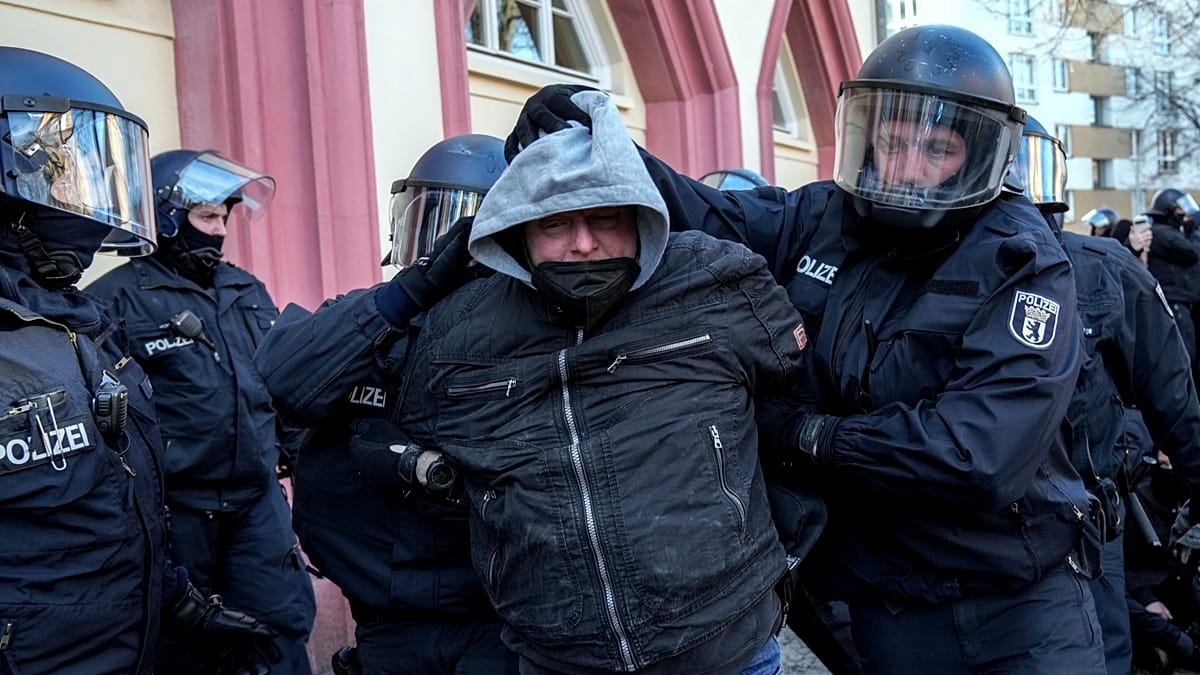
The EU agreed on Monday to sanction Israeli settlers over their violence against Palestinians in the West Bank, a move enabled by backing from Hungary’s incoming government.
ADVERTISEMENT


ADVERTISEMENT
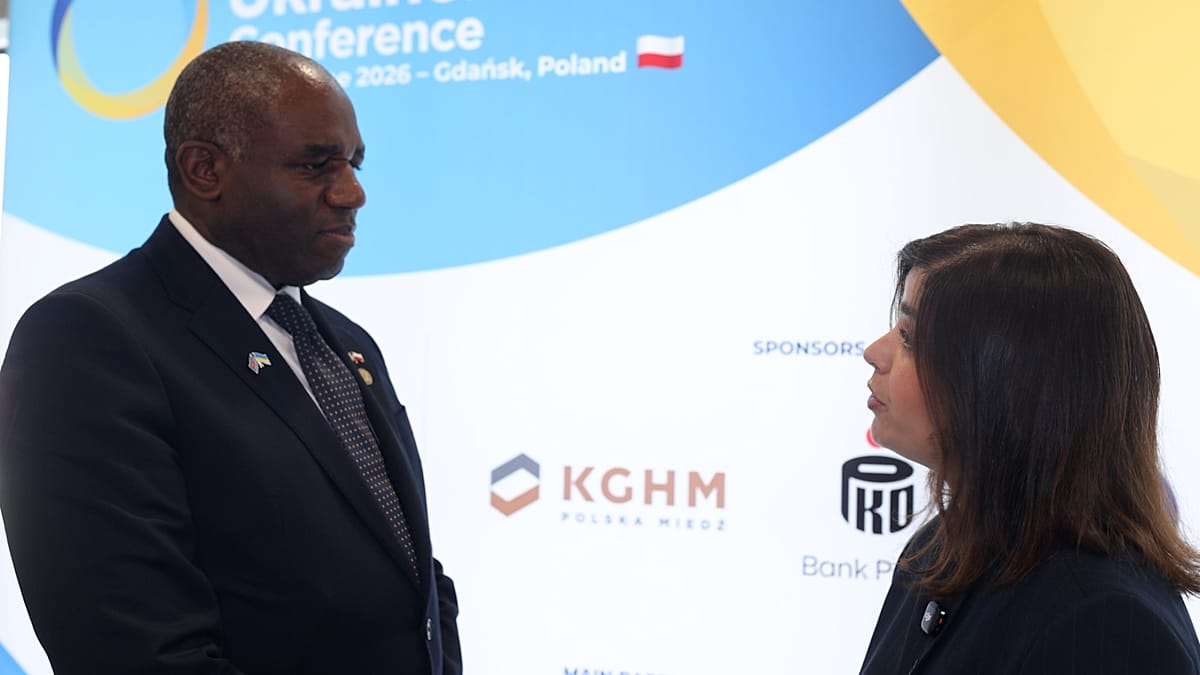
“Today, we reached a political agreement to sanction Israeli extremists settlers and entities,” Kaja Kallas, the EU’s top diplomat told reporters following a meeting of foreign affairs ministers in Brussels. “We move from political deadlock that was there for a long time. Violence and extremism carry consequences.”
Kallas added in an X post earlier on Monday that the measures, which include asset freezes and travel bans, will also target members of Hamas — which the EU designates as a terrorist organisation — a condition required by some countries in order to support the sanctions.
The sanctions come amid what UN Human Rights spokesperson Thameen Al-Kheetan recently described as Israel’s “unlawful settlement expansion” and the “annexation of large parts of the occupied West Bank.” They also follow two months of ongoing violence against Palestinians in the territory.
The EU has already imposed sanctions on violent settlers. In 2024, the bloc sanctioned five individuals and three entities “responsible for serious and systematic human rights abuses against Palestinians in the West Bank,” according to the Council. Those included Moshe Sharvit in the Jordan Valley, whose “physical and verbal harassment against these communities has escalated since October 2023.”
But the EU’s renewed push for additional sanctions had previously been blocked by former Hungarian Prime Minister Viktor Orbán, who sought to preserve his country’s ties with Israel. However, Péter Magyar — who was sworn in as Hungary’s prime minister last Saturday — has indicated that he would support broadly backed sanctions packages.
Under international law, all settlements are considered illegal, with the International Court of Justice describing the State of Israel’s “continued presence in the Occupied Palestinian Territory” as “unlawful.”
Israel has recently introduced measures aimed at strengthening its control over the territory in areas including property law, planning and licensing. Those moves appear to contravene key agreements that were signed under the Oslo peace process in 1993.
Trade ban or high tariffs
In addition to sanctions against violent settlers, the EU is examining other options to respond to Israel, including a trade ban on products originating from the settlements or high European Union tariffs on imports aimed at making such trade prohibitive.
However, many of those measures will be hard to adopt, as they would need either unanimous agreement or a qualified majority among EU member states.
Sanctioning violent settlers represents only an incremental step compared with recent calls by several European countries to sever economic ties with Israel over alleged war crimes in Lebanon and Palestine.
Countries such as Spain, Ireland and Slovenia have pushed the bloc to suspend its association agreement with Israel or sanction far-right cabinet ministers Itamar Ben-Gvir and Bezalel Smotrich.
But those measures would also require unanimity or a qualified majority — support that some countries, including Germany and Italy, remain unwilling to provide.
On Monday, Israel’s foreign affairs minister Gideon Sa’ar reacted to the EU’s approval of sanctions, calling it “arbitrary” to sanction Israeli citizens and entities “because of their political views and without any basis.”
“Israel has stood, stands, and will continue to stand for the right of Jews to live in the heart of our homeland,” Sa’ar wrote. “No other people in the world has a documented and long-standing right to their land in the way the Jewish people have to the Land of Israel.”
Read the full article here