








The European Union agreed on Thursday to impose a new round of sanctions against Russia after Hungary and Slovakia lifted their respective vetoes over an unrelated dispute with Ukraine involving the Druzhba oil pipeline, which is now repaired.
ADVERTISEMENT


ADVERTISEMENT
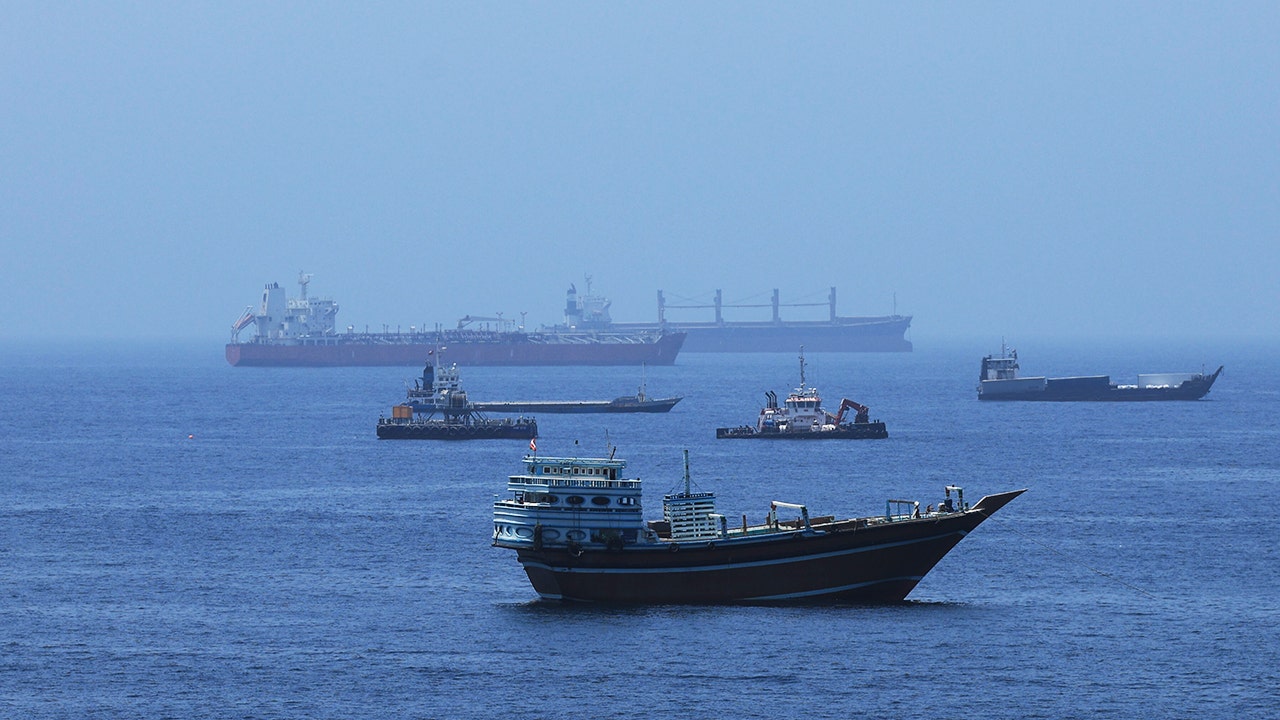
However, the centrepiece of the long-stalled package – a full ban on maritime services for Russian oil tankers – was left on hold pending an agreement by the G7, significantly dampening the economic impact of the bloc’s latest move.
The ban is meant to prohibit EU companies from providing any type of service, such as insurance, shipping or port access, to vessels carrying Russian crude oil. In practice, it will replace the G7 price cap, which allowed servicing under certain conditions.
Sweden and Finland took the lead in pushing for the blanket prohibition, arguing it would significantly drive up material costs for Russia’s oil sector, crack down on the spread of falsified documents and make transactions easier for European firms.
The European Commission took up the proposal and included it in the 20th package of sanctions, presented in early February.
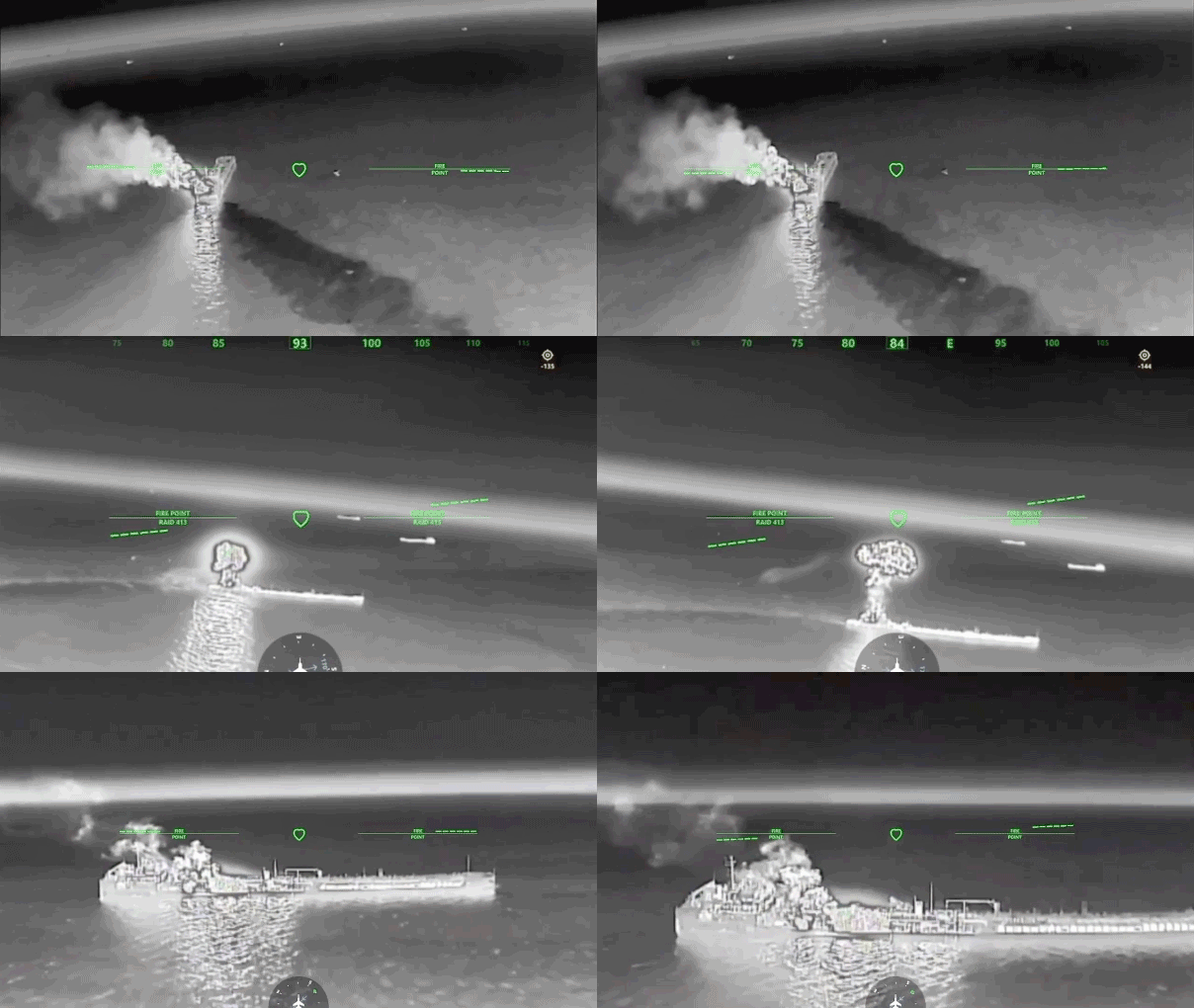
But Greece and Malta soon voiced concerns. The coastal countries worry that introducing the full ban without the backing of the G7 will harm their domestic economies, boost competition from China and India, and empower Russia’s “shadow fleet”, the dilapidated vessels that Moscow employs to bypass Western restrictions.
Greece holds a powerful shipowner industry, and Malta has a powerful flagging sector.
Because sanctions require unanimity of the 27 member states, ambassadors settled on a compromise that will see the European Union approve, on paper, the full ban on maritime services but, in practice, wait for the G7 to move forward.
The G7 deal is unlikely to materialise any time soon, though.
In response to the shockwaves unleashed by the closure of the Strait of Hormuz, the White House has decided to grant sanctions relief to Russian oil, enraging Europeans.
After the first waiver expired earlier this month, US Treasury Secretary Scott Bessent announced he would no longer renew it, only to change course two days later and issue a new waiver until 16 May.
Valdis Dombrovskis, the European Commissioner for the Economy, who met with Bessent last week before the new waiver was introduced, said the policy U-turn was “difficult to understand” in the context of elevated energy prices.
According to a recent report by the International Energy Agency (IEA), Russia’s revenue from crude and refined products rose sharply to $19 billion (€16 billion) in March compared to $9.7 billion (€8.2 billion) in February.
The injection has helped the Kremlin cushion a trend of economic stagnation that left a deficit of $60 billion (€51 billion) in the first quarter of 2026, beyond projections.
Dombrovskis believes the EU should not wait eternally for the G7, a view shared by the majority of member states. Greece and Malta, however, insist on their refusal.
“The broader the agreement we can reach on sanctions, the more effective it is. So, from that point of view, action at the G7 level is more effective than action just at the EU level,” Dombrovskis said on Tuesday during a press briefing attended by Euronews.
“But we should not be making ourselves dependent on this,” he added. “In this case, we need to act as the EU and sustain and increase this sanctions pressure on Russia.”
Ben McWilliams, an associate fellow with Bruegel, believes the EU can apply the full ban if it secures buy-in from the United Kingdom, which hosts world-leading providers of so-called Protection and Indemnity (P&I) insurance at sea.
So far, the British goverment has kept a low profile in the debate.
“Clearly, that is second best to a stronger and more coherent position at the G7 level,” McWilliams said, noting the fate of the Strait of Hormuz might shift the equation.
“Lower oil prices, in principle, might reopen some space for tightening sanctions on Russia from the US perspective. But US policy is inherently unpredictable.”
In addition to the full ban on maritime services, the 20th package of sanctions targets 46 vessels from the “shadow fleet”, regional banks and cryptocurrency platforms, and restricts imports of metals, chemicals and critical minerals worth about €570 million.
For the first time, the EU agrees to trigger its Anti-Circumvention Tool to prohibit sales of computer numerical machines and radios to Kyrgyzstan, a country long suspected of serving as a back channel to help Moscow obtain blacklisted items.
EU-Kyrgyzstan trade has skyrocketed in recent years. In 2021, the EU exported €263 million in goods to Kyrgyzstan. In 2024, exports of goods were worth €2.5 billion.
Read the full article here