









Thousands of people took to the streets of Albania to protest plans for luxury tourism developments linked to Jared Kushner and Ivanka Trump over the weekend.
ADVERTISEMENT


ADVERTISEMENT
Demonstrators gathered in the capital, Tirana, and at the protected Vjosa-Narta lagoon on the country’s Adriatic coast, where campaigners say a project threatens one of the Mediterranean’s most important biodiversity hotspots.
Waving Albanian flags and carrying inflatable pink flamingos — which have become the symbol of the movement — protesters chanted “Cancel the project!” and marched under banners reading “Ivanka go home” and “Albania is not for sale”.
But what exactly is Kushner Island, where is it, and why has it become such a political flashpoint?
What is the history of Sazan Island?
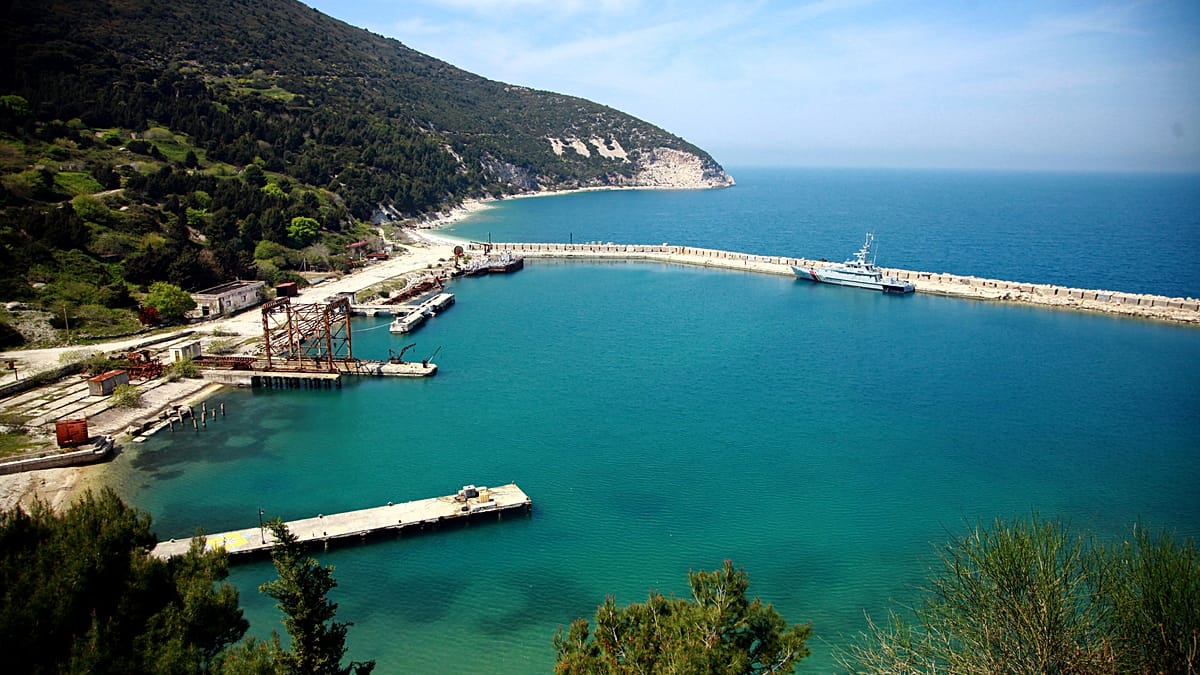
“Kushner Island” is an unofficial nickname for Sazan Island, a largely uninhabited Albanian outpost in the Mediterranean at the centre of a controversial luxury resort development backed by Jared Kushner, the son-in-law of US President Donald Trump.
The term has been popularised by critics and activists who argue that the scale of the project could fundamentally transform the island.
The island has a long military history. During the Ottoman period, it was largely uninhabited, but its location made it an important naval outpost. Following Albanian independence in 1912, control of the island became the subject of competing claims by regional powers.
In 1914, Italy occupied Sazan, known to Italians as Saseno. The island was formally ceded to Italy after the First World War and became a heavily fortified military base. During Benito Mussolini’s reign, Italian forces built military installations, barracks and coastal defences there, using the island to control access to the Adriatic Sea.
Following the Second World War, the island was returned to Albania and became one of the country’s most secretive military sites under the communist regime of Enver Hoxha.
Covering about 5.7 square kilometres, it is Albania’s largest island and is known for its rugged coastline, abandoned tunnels and hundreds of Cold War bunkers.
What is Jared Kushner’s involvement in Sazan Island?
Jared Kushner is backing the development through his investment firm, Affinity Partners. The proposed project, valued at around €1.4 billion, would transform part of Sazan Island into a high-end resort featuring hotels, villas, apartments, a marina and other luxury facilities.
The project has sparked opposition from environmental groups and local campaigners, who argue that it threatens sensitive ecosystems and lacks sufficient transparency.
Supporters, including Albania’s government, say it will create jobs, attract foreign investment and boost tourism. The project has been marketed as a high-end “eco-resort” aimed at wealthy international visitors.
Where is Sazan Island?
The island is located off Albania’s southwestern coast at the point where the Adriatic Sea meets the Ionian Sea, near the city of Vlorë. It sits along the Albanian Riviera, one of the Mediterranean’s fastest-growing tourism destinations and opposite the heel of Italy.
For much of the 20th century, the island served as a military base and was largely closed to the public. Its strategic location made it an important outpost during both the Italian occupation and Albania’s communist era.
Why do protestors carry images of flamingos?
The pink flamingo has become the symbol of opposition to the Kushner-backed development. Protesters carry flamingo placards, costumes and banners to draw attention to concerns about the environmental impact of large-scale tourism projects along Albania’s coast.
The symbol first emerged during demonstrations against resort developments in the sensitive coastal wetlands around the nearby Narta Lagoon, an important habitat for flamingos and other migratory birds. Activists later adopted the flamingo more broadly as a symbol of environmental protection and resistance to what they see as unsustainable coastal development.
As protests against the Sazan Island project grew, the flamingo became the movement’s defining image. Demonstrators have staged rallies carrying giant pink flamingos and wearing flamingo-themed costumes, leading some to describe the campaign as Albania’s “Flamingo Revolution”.
For supporters of the movement, the bird represents both the protection of Albania’s natural heritage and opposition to developments they believe prioritise luxury tourism over environmental conservation and public access.
Additional sources • AFP, AP
Read the full article here