











Rarely has a week gone by in recent years that NATO has not been making headlines.
ADVERTISEMENT


ADVERTISEMENT
Russia’s full-scale invasion of Ukraine, now well into its fifth year, continues to be a priority for the military alliance as it reiterates its steadfast support for Kyiv, and European allies rally to boost their own defences.
US President Donald Trump has used his second term to shake NATO to its very core; from threats to seize Greenland from Denmark and to annex Canada (both fellow members), to criticism of what he calls a lack of defence spending by other countries, and warnings that he may pull the US out of the alliance.
Nevertheless, in the face of crisis, NATO appears to be weathering the storm in the court of public opinion. According to a study by the Pew Research Center, most citizens of NATO’s member countries have a good impression of the organisation.
Specifically, NATO is viewed positively in most of the 13 countries surveyed, especially Poland (78%), Sweden (74%), Germany (73%) and Hungary (72%).
The majority of respondents in non-European member countries, Canada (67%) and the US (57%), also have a favourable impression.
It’s not the same story in every country, though, with Spaniards split 48% to 44% between unfavourable and favourable opinions of NATO, while a clear majority of Greek and Turkish respondents (both 59%) have a negative view.
Positive opinions of NATO have declined in France (-7%), Italy (-6%), and the US (-3%) since last year, according to Pew Research, but they’ve gone up in Greece (+8%).
There are differences between demographics in each member state, too.
In the US, there is a clear partisan divide, reflecting the Trump administration’s apparent disdain for the alliance: 75% of Democrats are favourable toward NATO, compared with 42% of Trump’s Republicans.
In Hungary, meanwhile, 87% of adults aged 18-34 have a positive opinion of NATO, compared with 64% of those aged 50 and older. A similar trend emerges in Germany, Italy, the Netherlands and the US.
Russia unpopular across Europe
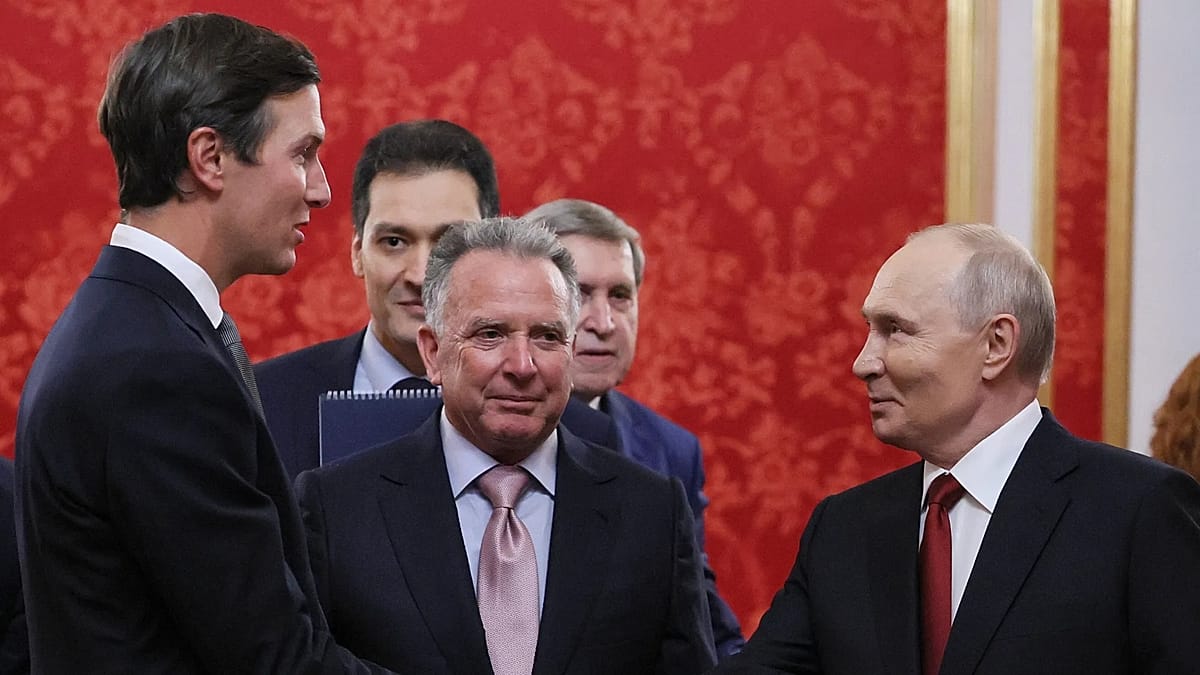
The study also looked at each country’s views of Russia and its president, Vladimir Putin.
Every NATO member surveyed expressed an unfavourable view of Russia: this was clearest in Sweden (94%), Poland (86%) and the Netherlands (85%).
Negative opinions in Turkey only just edged out positive opinions, by 49% to 47%.
When Europe is taken as a whole, Russia is consistently unpopular: at least six in 10 adults in each European country surveyed expressed an unfavourable view of Russia, including clear majorities who held a veryunfavourable view in the Netherlands, Poland, and Sweden.
It’s a similar trend for Putin himself. Majorities across Europe and the Americas say they lack confidence in him “to do the right thing regarding world affairs”.
The Russian president had the lowest confidence rating in Poland, Sweden, Spain and the Netherlands, among NATO members surveyed. The highest confidence ratings were seen in Turkey, Greece and Hungary, but they were still in a clear minority (39%, 35% and 33% respectively).
NATO citizens divided on Zelenskyy
As for views of Ukraine’s President Volodymyr Zelenskyy, citizens in NATO countries tend to be divided, despite the alliance’s continued support for Ukraine.
The Swedes (83%), Brits (68%) and Dutch (67%) are most likely to say they have confidence in him doing the right thing, while Hungarian (78%), Greek (75%) and Turkish (70%) respondents are most likely to say the opposite.
Americans are still more likely to trust Zelenskyy than not, despite relations between the US and Ukraine becoming much more unstable since Trump returned to office. Half of US respondents said they had confidence in Zelenskyy, versus 40% who said they did not.
Read the full article here