









Published on
Months after a historic EU Free Trade Agreement, this tour executes that “mother of all deals” by balancing Brussels with individual capitals.
ADVERTISEMENT


ADVERTISEMENT
Over the weekend, Modi met with Dutch Prime Minister Rob Jetten. The Netherlands is a key trading partner for India, with bilateral trade worth nearly €26bn ($28bn). The immediate prize is a €10.2bn ($11bn) semiconductor deal between Tata Electronics and Dutch firm ASML to build a microchip plant in western India.
It is a textbook example of Europe’s “China plus one” strategy, as Western companies rush to diversify supply chains away from Beijing.
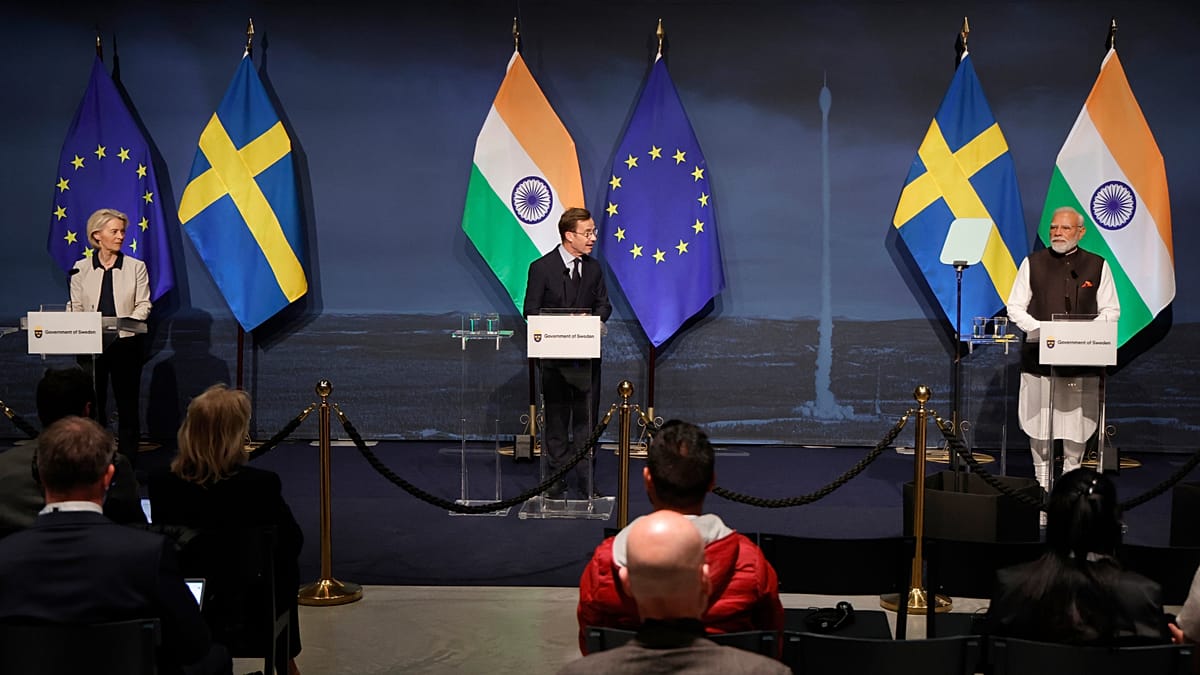
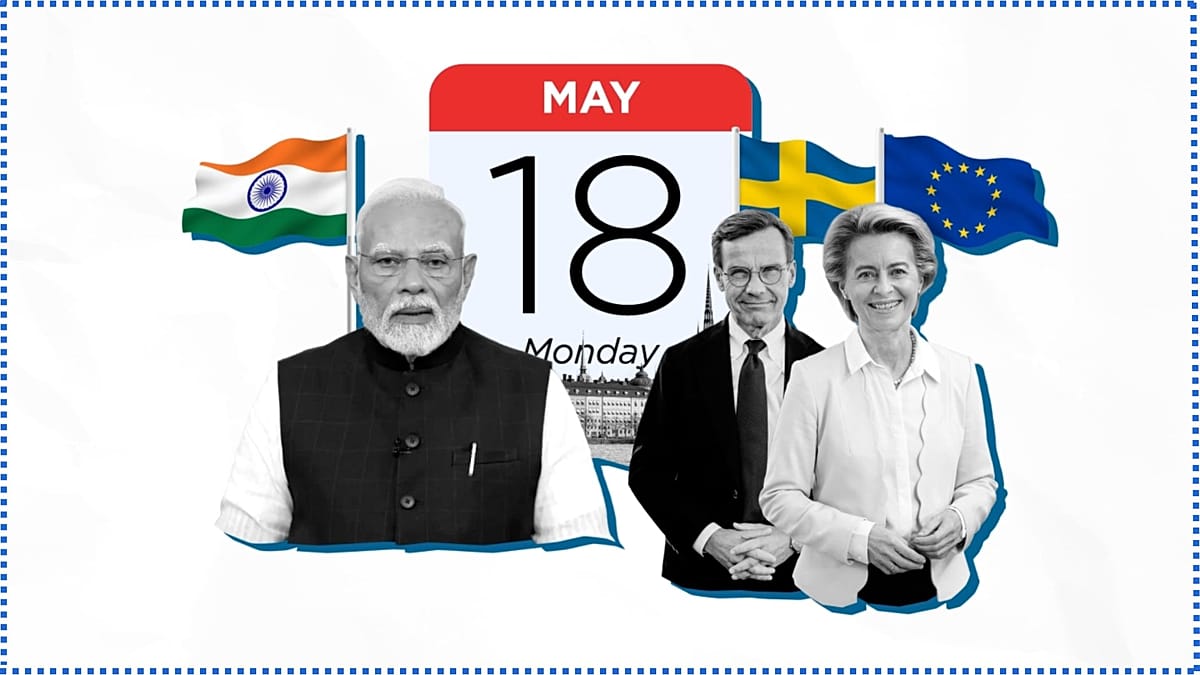
The focus shifts to Sweden. Modi is meeting Prime Minister Ulf Kristersson and European Commission President Ursula von der Leyen at the European Round Table for Industry on Monday, 18 May. While capitals like Stockholm provide India with specific tech, defence and green transition deals, Brussels provides the regulatory alignment and tariff cuts needed for the European market.
On Tuesday, 19 May, he attends the India-Nordic summit in Oslo, engaging Nordic leaders on clean energy and Arctic shipping routes opened up by climate change.
This grand tour will conclude on Wednesday, 20 May, in Italy with Prime Minister Giorgia Meloni, where both leaders will focus on maritime security and a joint action plan for legal migration channels.
For European leaders facing slowing economies, rolling out the red carpet is a strategic necessity. The world’s most populous nation becomes a geopolitical counterweight when Europe’s historic partners look away.
Watch the Euronews video in the player above for the full story.
Read the full article here