











Published on
The UN food aid agency, which has been hit hard by steep European and US funding cuts, on Wednesday welcomed an $800 million (€695 million) contribution from the United States.
ADVERTISEMENT


ADVERTISEMENT
The World Food Programme in a statement said the funds would support “life-saving food and nutrition operations to reach more than 38 million of the most vulnerable across at least 37 countries.”
The Rome-based WFP said earlier this month it was facing a deep shortfall in its funding at a time of acute need.
The agency received $10 billion (€8.6 billion) in contributions in 2024, but last year the amount had shrunk to $6 billion (€5.2 billion).
The deep cuts have come while the challenges have been multiplying, including from the Iran war, which has piled on logistical difficulties and hiked prices for aid deliveries in a range of countries.
“At a time when needs are outpacing resources, this generous support from the United States is coming at a critical moment,” the WFP’s acting executive director Carl Skau said.
The WFP has said it wants to reach 110 million people in the most acute need around the world this year, for which it would require $13 billion (€11 billion).
Food agencies’ warning
Meanwhile, UN food agencies warned on Wednesday that acute hunger is set to worsen across 13 global hot spots in the coming months, with conflict, funding shortages and climate shocks pushing millions closer to famine.
The Food and Agriculture Organisation (FAO) and the WFP said in a new joint report conditions are expected to deteriorate between June and November 2026, with around 266 million people already facing high levels of acute food insecurity, and called for urgent action.
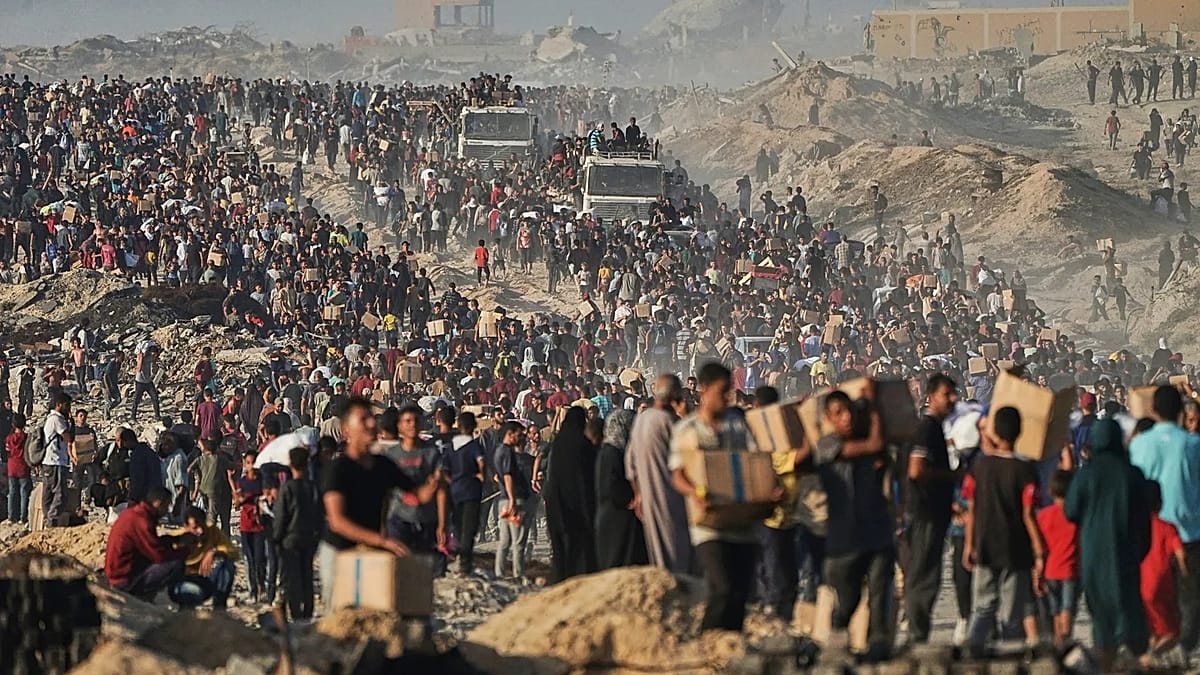
“Sudan, South Sudan, Yemen and Palestine” remain the countries of greatest concern, the report said, while Nigeria and Somalia have been newly added to that category as conditions worsen and famine risks rise.
The agencies said conflict and violence are the main drivers of hunger in nearly all the hotspots, compounded by economic shocks, deep cuts to humanitarian funding and the expected impact of an El Niño weather pattern, which could bring droughts and floods to vulnerable regions.
“The warnings in this report cannot be ignored,” Carl Skau said.
“Without action now, millions more are expected to face worsening levels of hunger in the months ahead, pushing some closer to famine.”
Additional sources • AP, AFP
Read the full article here