










The Trump administration is proposing that all new and current federal employees sign non-disclosure agreements as part of its crackdown on press leaks.
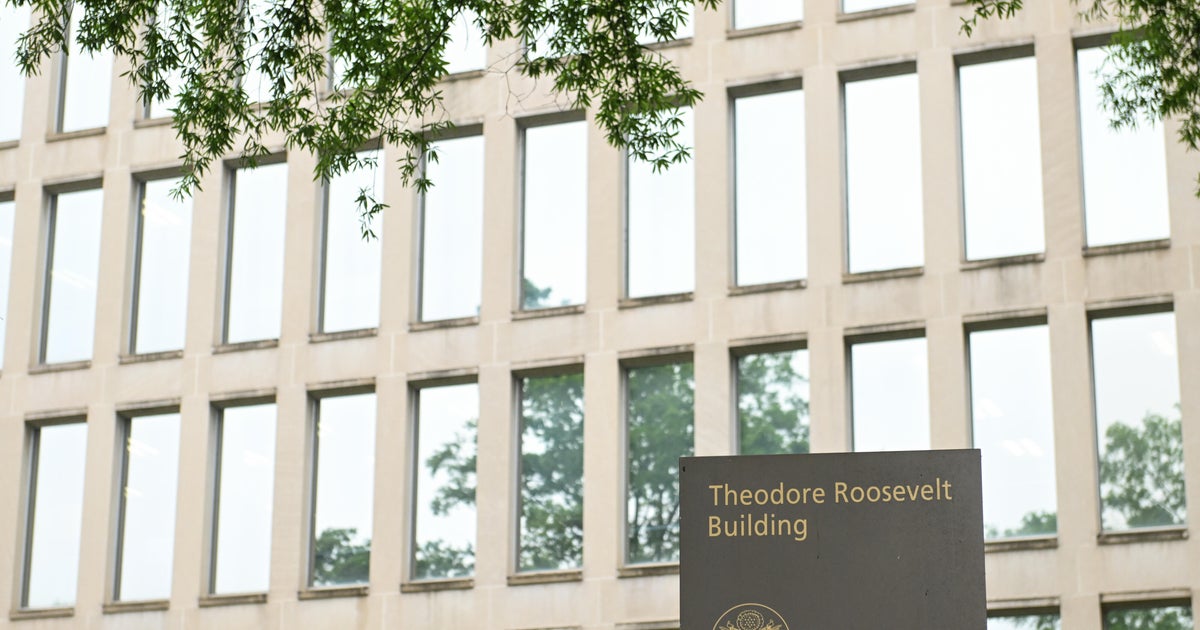
On Tuesday, the Office of Personnel Management posted a notice in the Federal Register asking for comment on a draft NDA that federal agencies would use for “both new and existing employees.”
“The form is intended to document Federal employees’ acknowledgment of, and agreement to comply with, current legal obligations to safeguard non-public, confidential, or proprietary information, created or obtained through their official duties, while expressly preserving the right to make disclosures authorized by law,” the notice said.
The OPM notice includes a proposed NDA that federal agencies may use if they wish. It also says that the proposed NDA “does not create new substantive restrictions on employee speech or disclosure rights” and “expressly” preserves employees’ “rights to make disclosures authorized by law, including protected whistleblower disclosures.”
Loyola Law School professor and CBS News legal contributor Jessica Levinson says the proposed NDA is the administration’s “way of signaling ‘we’re serious about limiting those leaks.'” Its impact will depend on the scope, which won’t be known until there’s a final version of the agreement.
“If the NDA does very little more than memorialize restrictions that are already in place on federal employees, then this doesn’t do much,” she said. “If the NDA is an attempt to silence almost all federal employees and infringe on their First Amendment rights and their whistleblower protections, then we have a problem.”
“Even though you are a federal employee — and there are certain limitations that go along with that — if you are speaking in your capacity as a private person on a matter of public concern, you still enjoy First Amendment protections, and an NDA should not limit those,” Levinson said.
The OPM cited examples of internal agency communications related to rulemaking and policy development that were disclosed without authorization. It also raised instances in which FBI and the Department of Homeland Security employees disclosed information without authorization about planned immigration enforcement actions.
For instance, the OPM’s request for comment stated that the New York Times and Washington Post had received unauthorized information on the U.S. raid in Venezuela this past January and delayed “publishing what they knew to avoid endangering U.S. troops.”
But days after the raid, New York Times executive editor Joe Kahn wrote, “Contrary to some claims, however, The Times did not have verified details about the pending operation to capture Maduro or a story prepared, nor did we withhold publication at the request of the Trump administration.”
He also said, “While not relevant in this case, The Times does consult with the military when there are concerns that exposure of specific operational information could risk the lives of American troops. We take those concerns seriously, and have at times delayed publication or withheld details if they might lead to direct threats to members of the military.”
Representatives for the New York Times and Washington Post did not immediately respond to a request for comment.
Locating leaks that the administration deems harmful to its messaging has become a priority in multiple agencies since the beginning of President Trump’s second administration. In January, the FBI seized Washington Post reporter Hannah Natanson’s phone, laptops, portable hard drives and Garmin watch, as part of an investigation into a government contractor who was later indicted for allegedly disseminating classified material.
And last year, dozens of reporters turned in their access badges at the Pentagon, instead of complying with new rules imposed by Defense Secretary Pete Hegseth that would leave journalists vulnerable to expulsion if they sought to report on information — classified or otherwise — that had not been approved by the secretary for release.
The American Federation of Government Employees did not immediately respond to requests for comment.