










High mortgage rates aren’t the only reason homeownership remains out of reach for many Americans.
Behind the scenes, homebuilders are grappling with an overlooked challenge — a shortage of skilled workers — that is slowing construction and making it harder to close the nation’s housing gap.
Builders say the labor shortage is creating a ripple effect throughout the housing market, delaying projects, raising construction costs and limiting the number of new homes coming online at a time when demand continues to outpace supply.
BIDEN’S ILLEGAL IMMIGRATION SURGE CAUSED HIGHER RENT AND HOME PRICES, FED STUDY FINDS
“Labor is one of the largest and most expensive inputs when it comes to home production and land development,” Jim Tobin, president and CEO of the National Association of Home Builders, told Fox News Digital.
He said that every month, the construction industry is short by approximately 250,000 workers.
“It’s been as high as 400,000 jobs short when we were really cooking along a few years ago,” Tobin said, adding that the labor gap “is a persistent shortage.”
And the industry’s labor needs are only expected to grow in coming years.
THE KEY STRATEGY RED STATES ARE USING TO LOWER HOUSING COSTS REVEALED

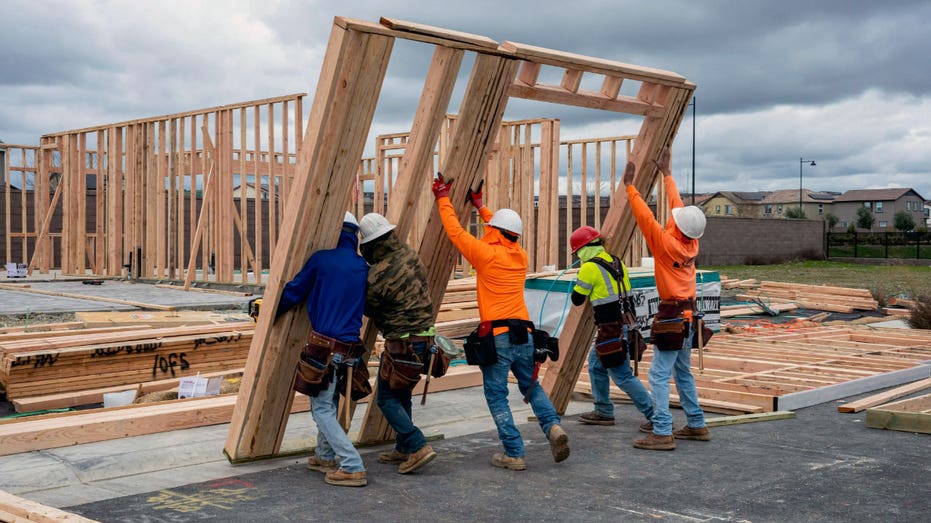
A recent Home Builders Institute and National Association of Home Builders report estimates builders will need roughly 723,000 new workers annually to keep pace with demand and help close the nation’s 1.5 million-home housing gap.
The shortage is already affecting how quickly homes can be built. According to Home Builders Institute President and CEO Ed Brady, labor constraints are extending construction timelines and driving up costs.
ONE TYPE OF PROPERTY IS QUIETLY SAVING AMERICANS THOUSANDS OF DOLLARS
“This shortage adds nearly two extra months to building timelines, inflating costs and delaying delivery,” Brady told Fox News Digital.
Builders say replenishing the skilled trades pipeline is only part of the solution.
Tobin said many construction jobs do not require a four-year college degree and can provide stable, middle-class careers, but the home construction industry has struggled for years to attract enough workers to replace retiring tradespeople.