








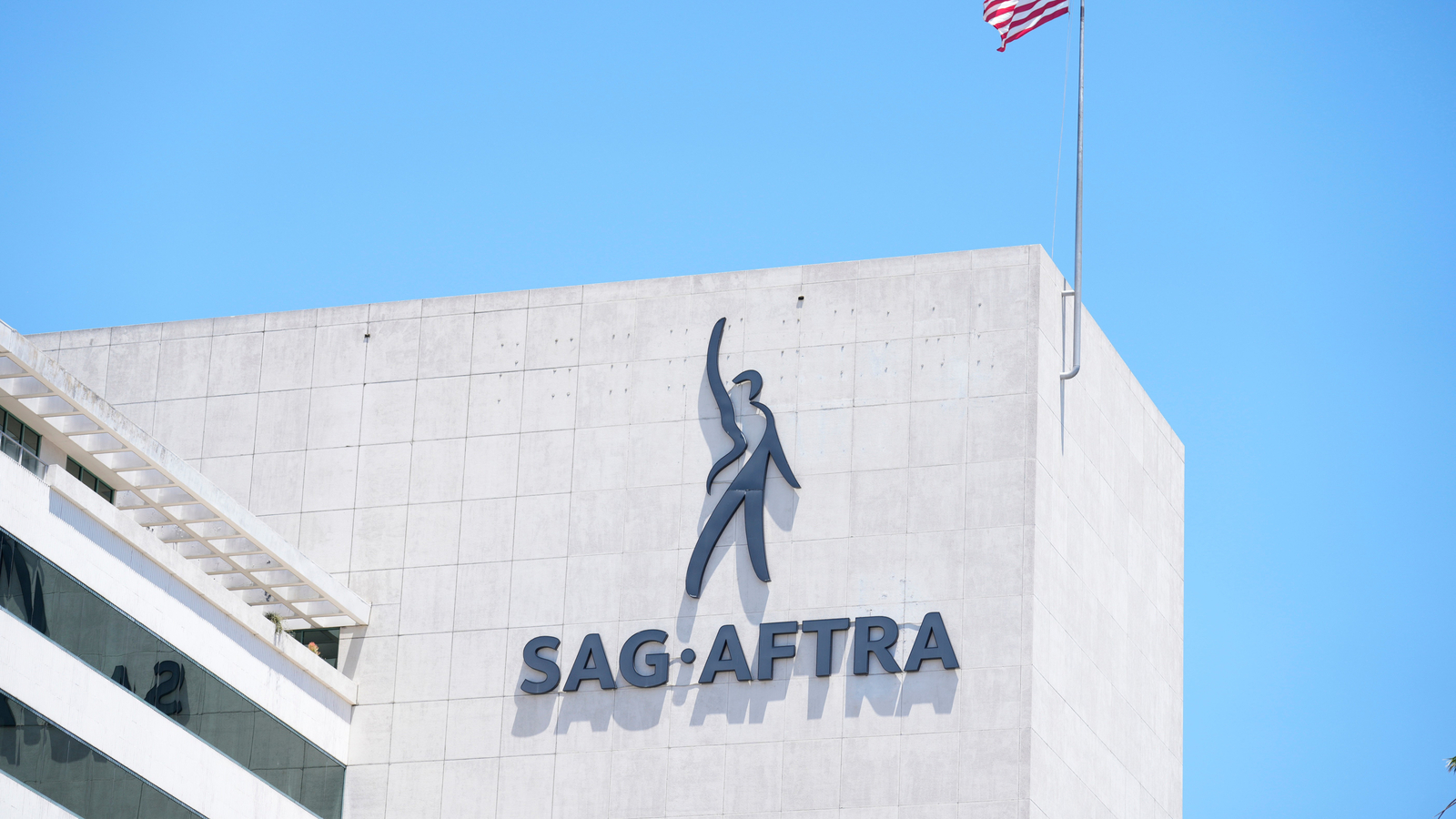
LOS ANGELES () — Actor Cheyenne Jackson’s effort to help fellow performers qualify for SAG-AFTRA health insurance is gaining attention as industry workers and lawmakers discuss the lack of production jobs in Los Angeles.
Jackson, known for roles in “American Horror Story” and “Glee,” launched the “One Job Away” project after actress Kathy Bates helped him secure a speaking role that allowed him to meet the minimum earnings threshold of $28,000 required to qualify for SAG-AFTRA health insurance.
The coverage protects Jackson, his husband and their twins. Now, Jackson is encouraging other actors who are just short of qualifying for coverage to participate in the effort.
California Attorney General Rob Bonta on Paramount: ‘We had a great settlement’
California Attorney General Rob Bonta sat down with political reporter Josh Haskell to talk about everything from the Paramount settlement to the upcoming election.
The issue was also highlighted during a hearing at the Television Academy, where industry leaders, workers and state lawmakers discussed the dire need to bring production back to Hollywood.
“We’re all just one job away because we don’t know what’s happening. We have to fix this,” actress Kate Linder said. Lawmakers said increasing incentives for film and television production could help keep jobs in California. “We have a tax credit program that isn’t yet competitive with other states. Other states have uncapped programs ours is limited,” said Assemblymember Rick Chavez Zbur, D-District 41.
Actor and producer Jason George, who stars on “Grey’s Anatomy” and serves as a SAG-AFTRA national board member, said challenges meeting the health insurance earnings threshold reflect a broader shortage of work in the entertainment industry.
“The reality is it all comes back to jobs,” George said. George pushed back on suggestions that eligibility concerns are the result of a higher earnings requirement. “They’re going on it’s because you raised it. It’s not because we raised it. It’s because you’re not working and you’re not working because there aren’t jobs in Los Angeles the way there were,” George said.
Industry workers and lawmakers said increasing production in Los Angeles remains central to addressing employment concerns affecting actors and other entertainment professionals.
© 2026 Television,