










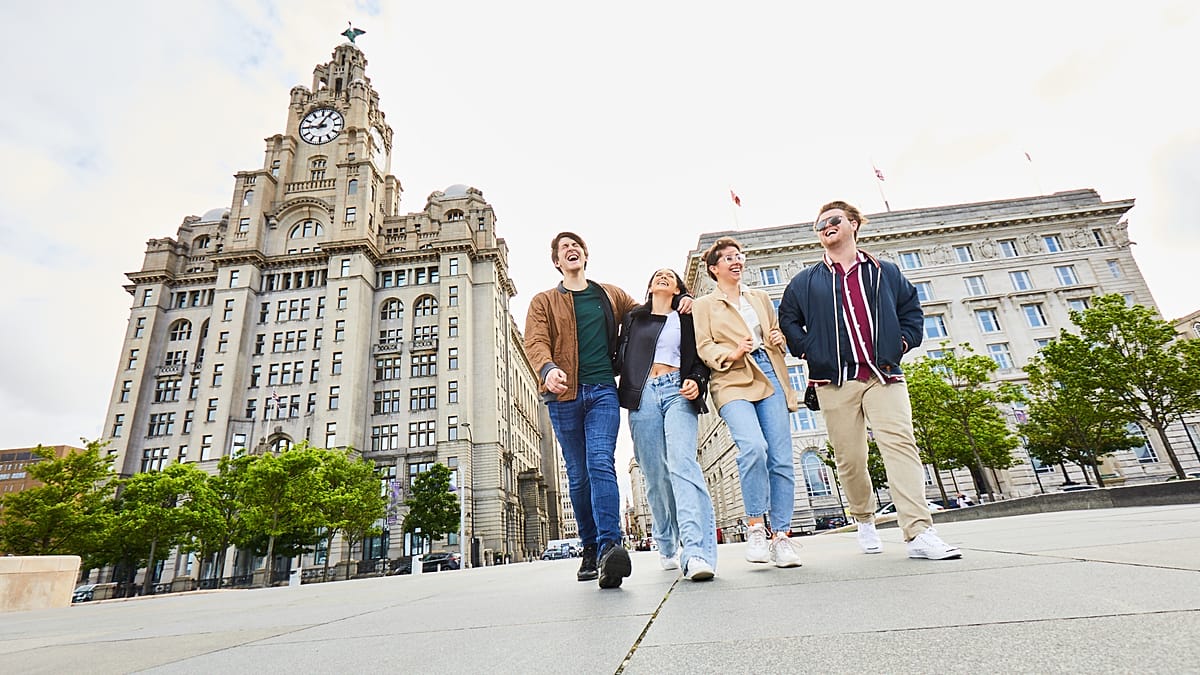
Liverpool’s musical legacy is impossible to ignore, but there’s more going on in the English city and its environs than just a Beatles nostalgia trip.
ADVERTISEMENT


ADVERTISEMENT
Of course, it’s impossible to ignore the Fab Four in this region, especially as filming for ‘The Beatles – A Four-Film Cinematic Event’ – four biographical films based on the lives and career of the band – continues.
This year, though, is a great time to visit the city, the nearby Merseyside coast and the wider north west of England. Highlights in 2026 include a new music trail, a summer of live gigs and a chance to see Britain’s oldest professional orchestra in action.
These are the best things to do in Liverpool and beyond in 2026.
Follow the new Liverpool Music Heritage Trail
Music fans won’t be surprised that Liverpool is officially recognised by Guinness World Records as the World Capital City of Pop, with more number one singles per head produced by its artists than any other city.
New for this year is the Liverpool Music Heritage Trail, marking 60 years of the city’s music scene.
This self-guided tour takes visitors to 12 key musical spots, each marked by a plaque shaped like a vinyl record. At locations including the iconic Cavern Club, where The Beatles’ story began, tourists can scan a QR code and watch a short film about the venue, immersing themselves in musical history.
In need of a refreshment break on the tour? Head to The Philharmonic pub, a former favourite of John Lennon, now particularly renowned for its delicious pies.
Embrace the city’s heritage with a summer of live music
A musical summer begins with the inaugural Liverpool Music Month, running throughout May.
The UNESCO City of Music will shine a spotlight on the people and venues that have made it what it is today.
Twinned with the popular New York Music Month, expect live performances, workshops and other cultural events to celebrate what organisers call Liverpool’s “grassroots to global” musical heritage.
Liverpool Summer of Music follows from June to August, focusing on influential and independent venues including 24 Kitchen Street and The Jacaranda, which foster the city’s artists.
There are also standalone performances from the likes of Foo Fighters, My Chemical Romance, Lewis Capaldi and Nile Rodgers and Chic throughout the summer.
Get involved with musical classics
The Royal Liverpool Philharmonic Orchestra is the UK’s oldest continuing professional symphony orchestra, and this year is the time to see them in all their glory.
They’ll be performing a full programme of shows, playing music from classical to contemporary.
Film fans won’t want to miss a special showing of ‘Harry Potter and The Prisoner of Azkaban’ on 27 June, with its now legendary score accompanied live by the orchestra.
Explore the city’s buzzy independent quarter
Liverpool was historically known as a centre for rope-making and, today, the eponymous Ropewalks district is one of the trendiest areas in the city.
Surrounding the striking St Luke’s Bombed Out Church, it’s packed full of independent boutiques and restaurants on Bold Street and the vibrant flavours of Chinatown.
The church itself is well worth a visit, with a monthly Makers Market offering local crafts and tasty food.
Take a trip to the seaside
Some of the best beaches in the region are just a short hop from Liverpool’s centre.
Half an hour by train is Crosby, a village best known for its beach, which boasts 100 cast-iron sculptures by Antony Gormley. They have to be seen to be believed, as they can completely disappear depending on the tides.
Close to Crosby Beach, you’ll find The Lake House, an eatery with all-day dining and views over Marine Lake and the Irish Sea. There’s also a community cinema, The Plaza, which is rumoured to feature in the upcoming Beatles biopics.
Further north is Formby, famous for its dramatic sand dunes, pine woodlands and a red squirrel reserve, where you might also spot other rare animals like natterjack toads and sand lizards.
Walk along the seashore, and you might catch a glimpse of prehistoric footprints which appear on the beach when the tide is low, or Victorian-era shipwrecks in the ocean beyond.
Read the full article here