


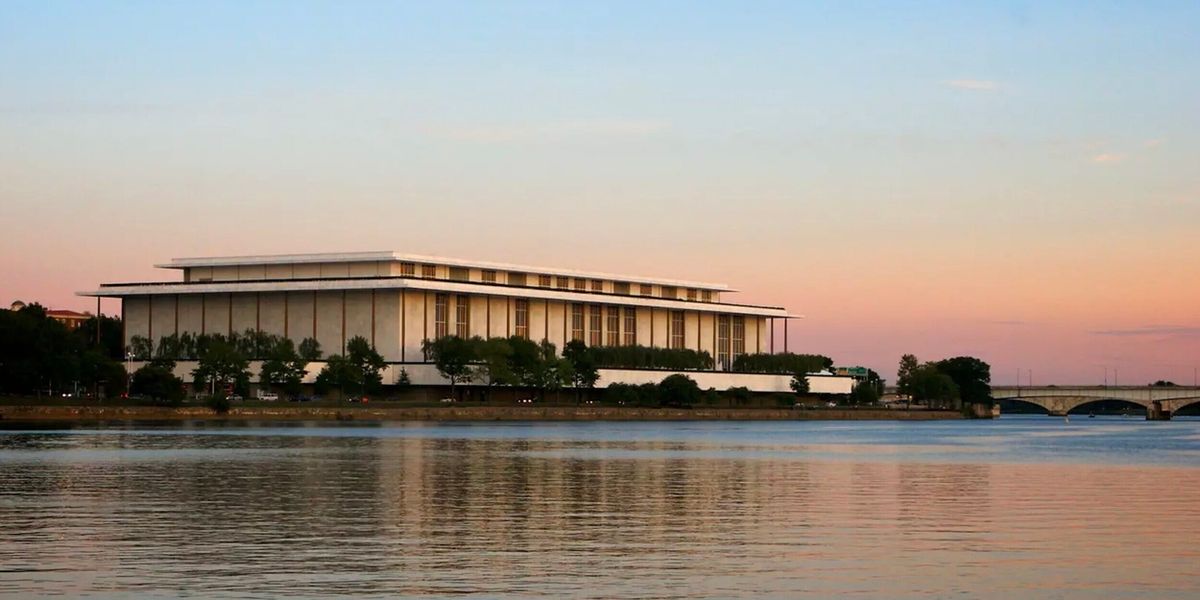







A federal judge is weighing whether to lift the court order that has kept the Trump administration from closing The John F. Kennedy Center for the Performing Arts for a two-year renovation, MS Now reports.
U.S. District Judge Christopher “Casey” Cooper heard arguments for more than two hours on Thursday on the government’s motion to dissolve his own preliminary injunction. He gave no timeline for a decision but said he would rule as quickly as he could.
Cooper questioned both sides. He asked Justice Department attorney William Jankowski why the government’s request to Congress for renovation funding didn’t include the two-year closure as an option, and how that plan compares with a four-year alternative. Jankowski said the two-year closure is the best option and that the board acted reasonably.
The judge also asked the plaintiffs what the center would gain by staying open with no performances on the calendar during construction. He suggested that the longer four-year plan could drain even more money from the institution. Nathaniel Zelinsky, arguing for the plaintiffs, said they had already raised concerns about the lack of programming and that the four-year renovation would cost more.
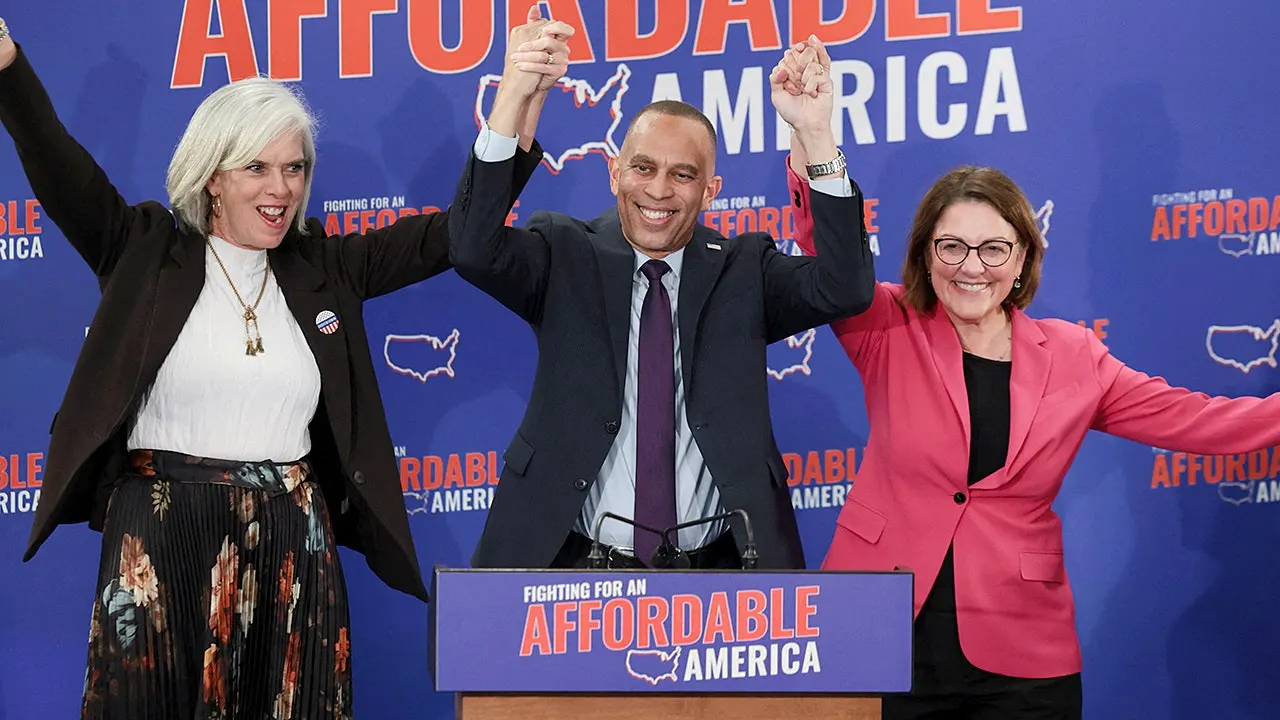
Rep. Joyce Beatty, the Ohio Democrat and ex officio trustee who brought the lawsuit, sat at the plaintiffs’ table. Local Washington residents who oppose the renovation plan filled the courtroom. After the hearing, Beatty said she was confident the law was on her side. Her attorney Norm Eisen said he didn’t expect the judge to allow the building to be demolished.
The Justice Department argues that the board has fixed the problems Cooper identified in May. At that time, he found the trustees had likely breached their duties by voting to close before fully weighing their legal obligations, gathering enough information, or giving all trustees a meaningful say. The government says that before the board voted again in August, trustees received a detailed project plan and recommendations from two sets of consultants. The board then voted a second time in September after receiving more materials. The government’s filings also cite safety hazards, including fallen ceiling material, and argue that the building is a risk to staff, artists, and the public unless it closes for repairs.
Beatty’s lawyers argue that the review process was a sham, built to justify a closure President Trump had already decided on. They also say the government hasn’t met the high bar needed to dissolve an injunction.
Cooper is only reconsidering the part of his ruling that blocks the closure. The government hasn’t asked him to lift his permanent order that bars renaming the center for Trump or anyone other than President Kennedy.
Beatty sued after the Trump-appointed board voted in December 2025 to add the president’s name to the building. In May, Cooper ordered Trump’s name removed, ruling that only Congress can rename the center, and temporarily blocked the planned closure. In July, an appeals court kept the name off the facade while the appeal continues. In August, the board voted again to close the building for renovations and to put Trump’s name back on it. In September, the board voted to close the main building immediately. Days later, the center shut its doors to the public, citing safety concerns, and Cooper ordered 30 days’ notice before any demolition. With the building still closed, the 2026 Kennedy Center Honors will take place at Capital One Arena on December 7.
Broadway news in your inbox
Weekly top stories – unsubscribe anytime.
Text me breaking news – biggest stories on your phone