











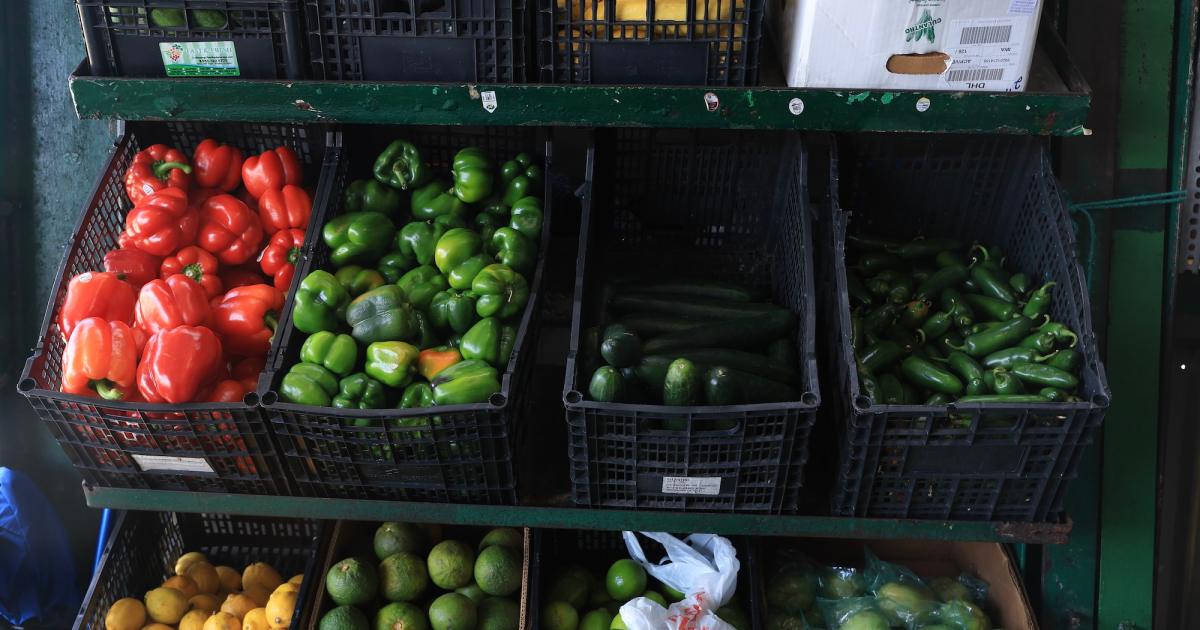
A weekly farmers market run sounds simple until the kale wilts by Wednesday and the strawberries mold by Thursday. If you have ever wondered how to shop at a farmers market and actually finish what you carry home, the answer is less about willpower and more about building a routine you can repeat.
Nisha Vora, New York Times bestselling author of Big Vegan Flavor, and farmers market meal plan blogger Brittany Chang both walked through their approach with The Guardian. Their advice pairs with food safety guidance from the FDA to form a routine that actually sticks.
Why the Farmers Market Habit Is Worth Building
A repeatable trip pulls seasonal produce into your kitchen and supports local growers, but the real payoff is what happens after the haul. Without a plan, that gorgeous bunch of kale ends up in the compost bin.
Pick one day that works with your local market’s schedule and pair the trip with something you already enjoy, like grabbing coffee on the way. That extra hook makes consistency easier than any rule about eating more vegetables ever will.
When to Arrive For the Best Selection or the Best Deals
Timing shapes what you bring home. Earlier hours mean fuller stalls and first pick of anything limited. Later in the day, prices often drop as vendors clear out inventory.
“When you go later in the day, they are trying to get rid of stuff. They’ll be more eager to get things off their hands that they haven’t sold,” Vora told The Guardian.
Either strategy works depending on what your goal is. Just decide which one fits your week before you go.
How to Shop with Flexible Recipe Formats
Rigid grocery lists collapse the moment you spot something better two stalls over. Loose formats hold up.
Head in with categories rather than exact ingredients. Think two vegetables for a grain bowl, one to sheet-pan roast as a side and two fruits to slice into your yogurt. That structure keeps impulse buys in check while leaving room to swap based on what looks freshest.
Give yourself one unplanned item each week. It keeps the trip fun and stretches your cooking without filling the fridge with rare finds that spoil.
“I get excited when I see niche pepper varieties in the fall and fiddlehead ferns in the late spring. I know that sounds absurd to folks who don’t eat seasonally, but to me, it’s become a fun, creative hobby that has instilled a deep sense of gratitude for the food I get to eat,” Chang told The Guardian.


Travel changes you, but food cultures are how a city shows you who it really is. The best street food cities don’t just feed visitors — they reveal a community’s history, rhythm and priorities in a single bite. From woks older than your grandparents in Bangkok to UNESCO-recognized hawker stalls in Singapore, here’s where the […]
How to Prep and Store Your Haul So It Lasts
Prep is where most farmers market trips succeed or fail. Wash everything, dry it well and store it according to what it needs.
“Wash all produce thoroughly under running water before preparing and/or eating, including produce grown at home or bought from a grocery store or farmers’ market,” the FDA advises. The agency also warns that “Washing fruits and vegetables with soap, detergent, or commercial produce wash is not recommended. Produce is porous. Soap and household detergents can be absorbed by fruits and vegetables, despite thorough rinsing, and can make you sick.”


Storage rules vary by item. Leafy greens last longest in an airtight container with a paper towel to absorb moisture. Carrots and celery stay crisp in a container of water. Tomatoes (unless super ripe) belong at room temperature, away from direct sunlight, not in the fridge. If you know you won’t get to something within a few days, freeze it.
What to Bring and What to Ask the Vendors
A few small habits round out the routine:
- Bring cash. Many stalls now take tablet payments, but some are still old-school.
- Pack reusable bags. Vendors often skip handing out single-use bags for environmental reasons.
- Ask questions. Vendors will tell you what is at its peak, how to cook something new or how long it will hold in your fridge.
That last one might be the most underrated part of the whole ritual. The people who grew the food usually love to talk about it, so don’t be afraid to strike up a conversation.