









The French government took the unprecedented step of activating an “Orsec extreme heat plan” on Friday for departments facing a renewed heatwave that is forecast to stretch into next week.
ADVERTISEMENT


ADVERTISEMENT
The “Orsec extreme heat plan” was activated in the departments subject to a red heat alert and applies to Morbihan (56), Ille-et-Vilaine (35), Mayenne (53), Sarthe (72), Loire-Atlantique (44), Vendée (85), Maine-et-Loire (49), Vienne (86) and Deux-Sèvres (79).
“There have been consultations, exchanges and work carried out,” government spokesperson Maud Bregeon told French broadcaster TF1.
Nine departments in the west of France were placed on red alert for extreme heat on Friday while 72 are under an orange alert, national weather forecaster Météo France said.
The red heatwave warning will be extended to 24 departments, including all the departments of Ile-de-France, on Saturday at 12:00, the forecaster said.
The Orsec plan is an emergency response and relief mechanism for exceptional events, and has generally been activated in the case of natural disasters such as floods.
Wildfires burn twice as much land as last year
Wildfires have scorched twice as much land in France so far this year as in the same period last year, an official said on Friday.
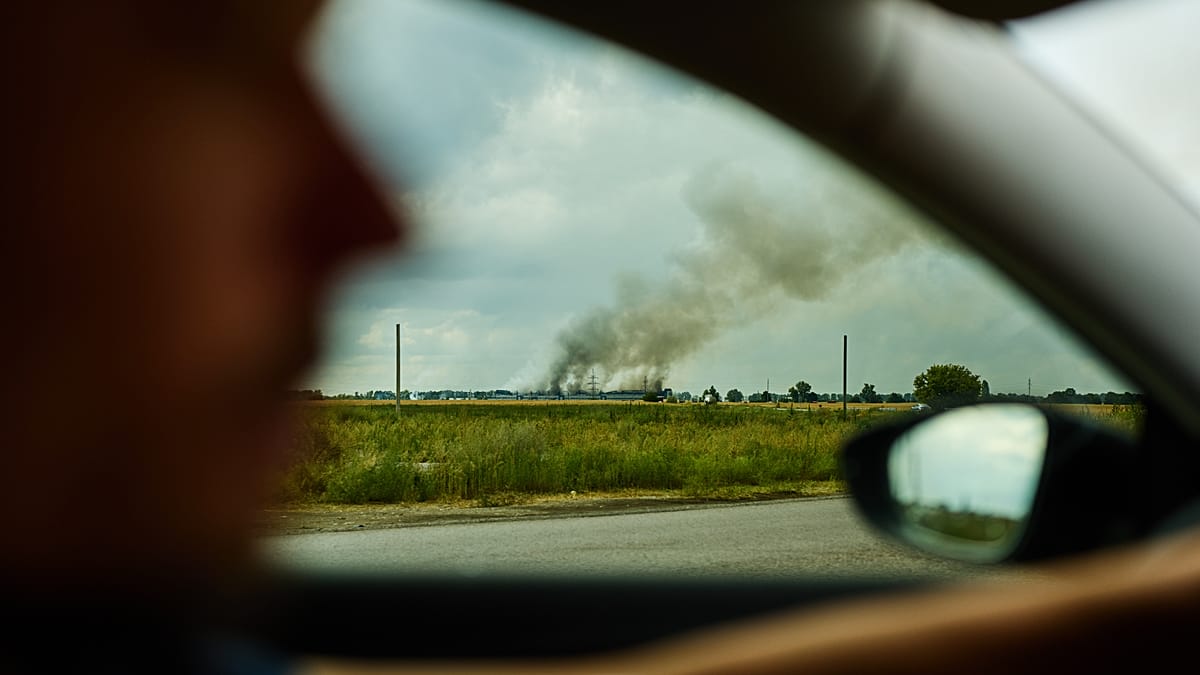
The European nation is facing its third heatwave since May, with a part of western France under the more severe heat warning on Friday and fires raging in several parts of the country over the past week.
It is the latest such deadly episode of extreme weather, whose increasing frequency in recent decades scientists have linked to man-made climate change.
“Since the beginning of the year, we have recorded a little over 8,000 fire outbreaks in our country, affecting an estimated burnt area of more than 25,000 hectares (250 square kilometres),” director general of civil security Julien Marion said.
“That is roughly double what had been recorded last year by the same date,” he added.
France’s High Council for Climate on Thursday warned that the country’s policies to tackle global warming were “insufficient.”
“We are entering a dangerous zone,” warned one of its experts, Valerie Masson-Delmotte.
“Our infrastructure, our land-use planning, our ecosystems, and the management of our economic activities and sociocultural practices have evolved based on a climate that no longer exists.”
The country recorded more than 2,000 excess deaths during the June heatwave, and 300 during the high temperatures in late May, according to official figures.
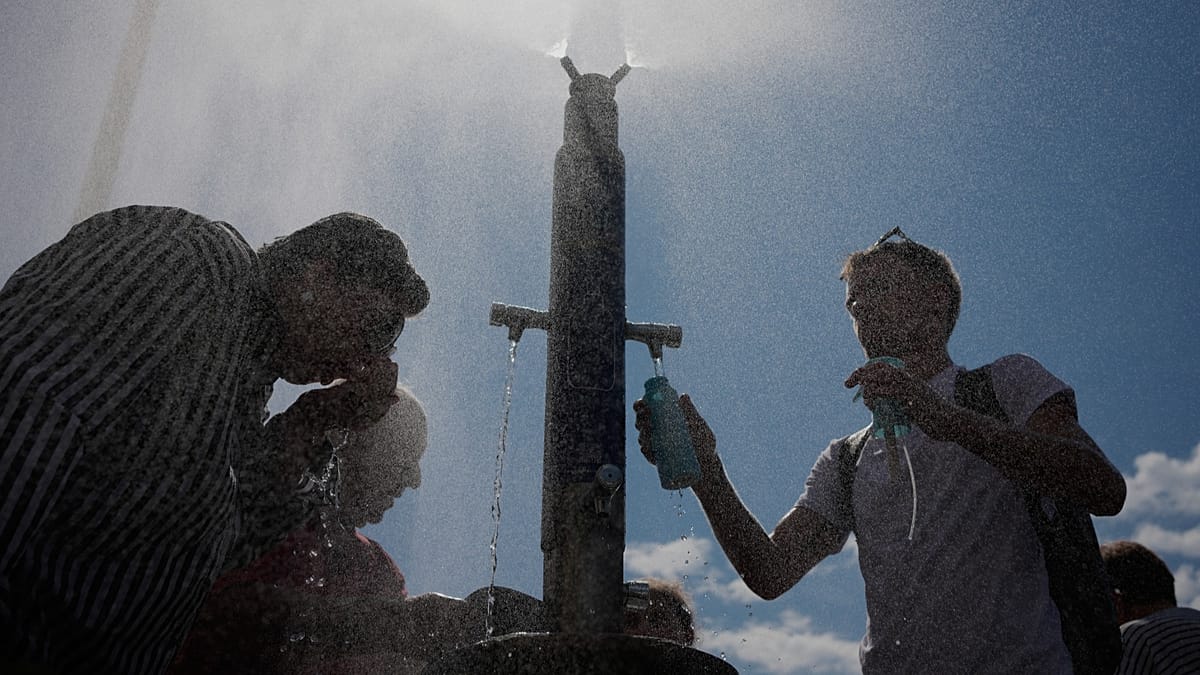
The government on Friday said it would be opening so-called “cooling centres” for vulnerable members of the population such as the elderly or homeless.
Six thousand of the planned 30,000 air conditioning units promised to the country’s hospitals have been delivered and installed, government spokeswoman Maud Bregeon said on Friday.
France has more than 2,900 health facilities, according to figures from last year.
High temperatures are expected to continue until Bastille Day, France’s national public holiday, on 14 July, according to the Meteo-France national weather service.
Additional sources • AFP
Read the full article here