









After a summer of record heatwaves, devastating wildfires and drought, environmental researchers are urging European Union countries to step up efforts to restore ecosystems ahead of a 1 September deadline while flagging a €65 billion annual shortfall in the bloc’s nature restoration funds.
ADVERTISEMENT


ADVERTISEMENT
EU capitals have just days left to submit their draft nature restoration plans to the European Commission, as mandated by the bloc’s Nature Restoration Regulation.
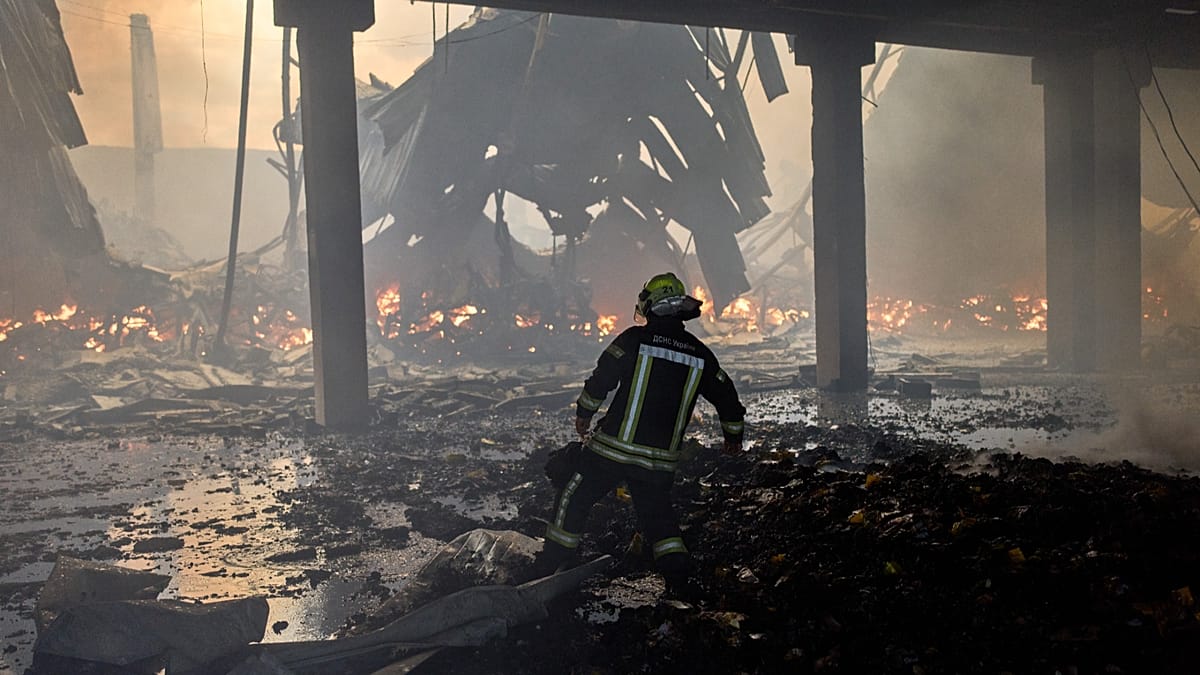
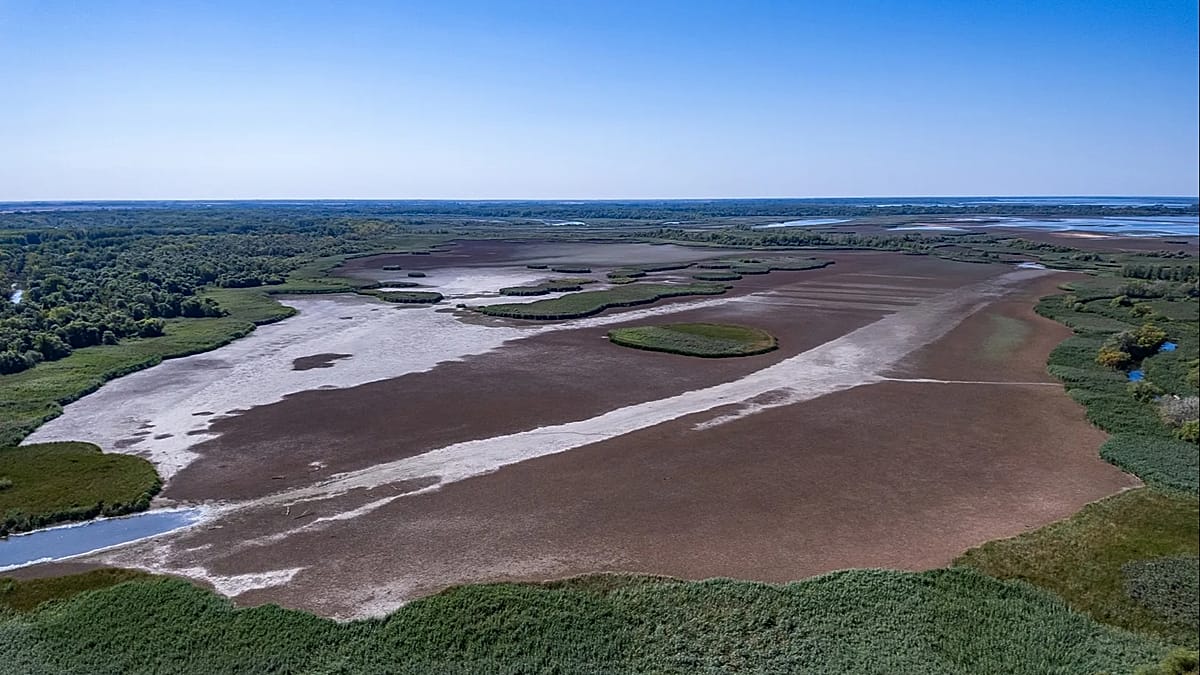
The appeal comes after Spain and France lost thousands of hectares to raging wildfires and Hungary and Romania had to shut down part of their nuclear power plants as water levels in the Danube River fell to record lows, exposing the continent’s growing vulnerability to climate change.
Researchers from the European Biodiversity Partnership Biodiversa+ are calling on EU member states to turn the bloc’s nature restoration law into practical action, arguing that healthier landscapes can help Europe withstand climate extremes.
The group frames healthy ecosystems as a form of climate resilience, helping buffer the effects of drought, wildfires and flooding while also supporting water security, rather than a biodiversity issue alone.
Researchers also suggest using nature-based solutions to reduce flooding and stormwater pressures in cities and applying climate-risk assessments to ensure restoration projects remain effective as conditions change.
However, they say that fewer than one in 10 national restoration policies address potential health or social consequences, while private investment remains limited.
“In the EU, 72% of non-financial corporations and nearly 75% of Euro-area bank loans are linked to sectors with high or moderate dependency on nature,” reads a statement from Biodiversa+. “As nature’s degradation poses a material risk to businesses, engaging the private sector in restoration is not just philanthropy, but also an economic necessity.”
Rainer Sodtke, Biodiversa+ co-chair, said the science of nature restoration is well-established and actionable while calling on EU capitals to take the matter seriously to start preparing the continent for increasingly warmer and drier summers.
“With the Nature Restoration Regulation now entering its critical phase, member states have access to practical, evidence-based guidance on creating effective plans. We urge them to use it,” Sodtke said, referring to the guidance prepared by Biodiversa+.
Final plans are expected in 2027, with the first revision not due until 2032, meaning decisions made now will have long-term significance.
EU lawmaker Jutta Paulus (Greens/EFA/Germany) said that climate adaptation measures are “more urgent than ever” after a summer of wildfires across Europe.
“These plans are especially critical for the upcoming Multiannual Financial Framework negotiations, since securing their funding will be key to the law’s success. Member states must act quickly and submit their plans to meet the law’s targets and safeguard both food security and climate resilience in Europe,” Paulus told Euronews.
Her fellow green lawmaker Terry Reintke (Germany) said nature restoration is not “just policy”, but one of the answers to the existential challenge of climate change.
“If we miss the deadline for nature restoration, we are not just failing a regulation, we are fuelling the next heatwaves and floods,” Reintke told Euronews.
Most EU countries have submitted their plans or are on track to finalise them. The European Commission didn’t clarify to Euronews which countries haven’t yet submitted at the time of writing.
Diluting LIFE into the Competitiveness Fund
When proposing the next multi-annual budget for 2028-2034, the Commission suggested ending LIFE, the EU’s flagship environmental protection scheme, and instead using the Competitiveness Fund for nature restoration projects.
Spain warned EU environment ministers in June that LIFE could lose impact if it is absorbed into broader funding structures.
Madrid also raised concerns that the Commission’s proposed funding levels for biodiversity and nature restoration in the next budget may be lower than current allocations, which stood at €5.4 billion for the 2021-2027 budget.
The funds for “strategic projects” under LIFE are intended to help member states implement climate action laws, such as measures to restore nature and protect natural habitats, water resources and air quality.
Read the full article here