









A ban on new oil and gas drilling in the Arctic will remain the European Commission’s official position in a revised strategy Brussels is due to unveil, a Commission spokesperson told Euronews, despite fierce pressure from oil-rich Norway to drop the ban.
ADVERTISEMENT


ADVERTISEMENT
The revised version of the EU’s 2021 Arctic strategy will be announced on 20 October, as the region gains increasing strategic importance for the bloc’s defence and climate ambitions.
“Moving forward, our approach on the moratorium will remain unchanged: our policies have objectives to address climate change and environmental degradation and support sustainable economic development,” the Commission spokesperson said.
For the Commission, new Arctic fossil fuel development is incompatible with its climate goals. Maintaining the moratorium underscores Brussels’ determination to uphold that position, despite calls from the International Energy Agency to reconsider it and pressure from Norway, a key energy supplier and ally, as the bloc faces an energy crunch.
In 2021, Germany, Sweden and Finland broadly backed the Commission’s position that new oil and gas should “remain in the ground”. Denmark, meanwhile, had to strike a delicate balance between supporting the EU’s green ambitions and its limited ability to impose them on Greenland, its autonomous territory, which controls vast mineral resources, including significant estimated undiscovered oil and gas reserves.
The Commission initially proposed a multilateral legal obligation to ban new oil and gas exploration in the Arctic and surrounding regions — a proposal backed by Germany. But the strategy ultimately remained a non-binding political commitment.
Asked whether the revised Arctic strategy would remain a symbolic political statement, the Commission said the “process is ongoing”. The ban is nevertheless expected to remain non-binding, potentially avoiding a direct clash with Norway as the EU faces concerns over energy supplies.
EU collides with Norway
Norway has described gas exploration in the Arctic as insurance for the EU as the bloc grapples with rising energy prices. Meanwhile, French President Emmanuel Macron is calling a G7 meeting on energy, where a second release of emergency oil stocks could be discussed.
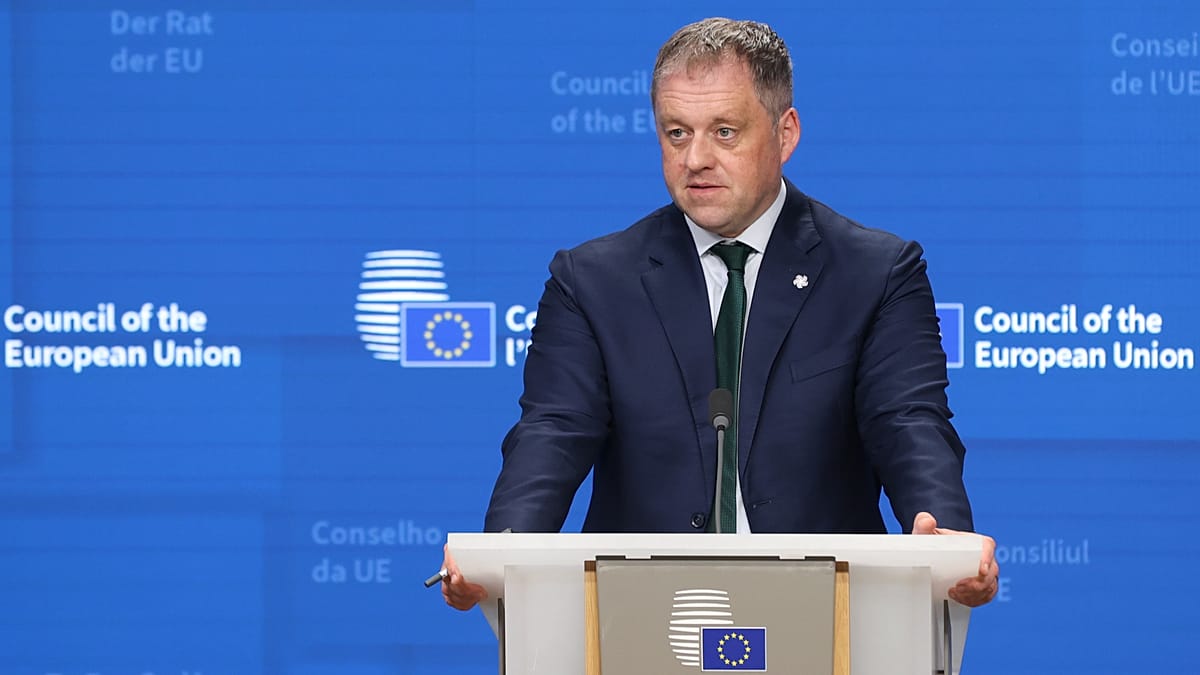
Pressuring the EU to reconsider its position, Norwegian Energy Minister Terje Aasland recently said that “continued activity in the Barents Sea serves both Norwegian and European interests”, citing disruption to global energy markets following the war in the Middle East. He also said Norway would continue drilling in the Arctic regardless of the EU’s position.
The issue is particularly sensitive for Brussels because Norway is deeply embedded in the EU’s energy security architecture. Recent shocks, including a damaged pipeline in Saudi Arabia, have highlighted how quickly Europe can be exposed when supplies from other producing regions are disrupted.
With Russian pipeline gas largely pushed out of the European market, Norway has become the EU’s largest LNG supplier, accounting for 54.4% of total EU imports between January and June, up from 52.1% in 2025, according to EU data.
Environmental activists, however, argue that Norwegian Arctic gas accounts for just 1.4% of EU gas imports and is unlikely to make a significant difference to near-term energy security. Gas from the New Barents Sea would not come online until 2045, too late to address the EU’s immediate needs, according to a new WWF-Norway analysis.
“Significant new Arctic supplies would arrive as EU gas demand is expected to fall sharply,” WWF-Norway said in a statement. It cited analysis suggesting EU fossil gas demand could fall from around 329 billion cubic meters (bcm) in 2024 to approximately 85 bcm in 2040 under a pathway aligned with a 90% reduction in emissions.
The report does not challenge existing Norwegian production or the country’s role as a reliable energy supplier. Instead, it argues that clean power, electrification and energy efficiency could reduce Europe’s reliance on imported fossil fuels faster than new Arctic oil and gas projects.
Norway’s progress on clean power and electrification could provide some common ground with Brussels. Battery electric vehicles account for roughly 95% to 99% of new passenger car sales in the country.
Paal Frisvold, coordinator of the NGO Alliance to Preserve the Moratorium on Oil Drilling in the Arctic, called the EU’s decision to maintain the ban an “important victory” for the climate and said it could help prevent growing rivalry in the High North.
“It sends an important signal to Norway and the petroleum sector of the EU’s firm commitment to accelerating the transition to a competitive and emission-free Europe in line with the Paris Agreement, with affordable domestic energy that eliminates dependency on imported expensive fossil fuels to the detriment of European households and industry,” Frisvold told Euronews.
Arctic summit
The EU’s ban on new Arctic oil and gas exploration was likely discussed by leaders at the Arctic Summit hosted by Finland on 13 and 14 September, which was attended by Norwegian Prime Minister Jonas Gahr Støre.
Eleven heads of state and government — from Germany, Denmark, Estonia, Latvia, Lithuania, Romania, France, Greece, the Netherlands, Poland and Sweden — attended the event in Rovaniemi to discuss the Arctic’s “strategic importance”.
They were joined by European Council President António Costa, EU foreign policy chief Kaja Kallas and International Partnerships Commissioner Jozef Síkela.
Finnish Prime Minister Petteri Orpo said Europe should take a “comprehensive approach” to Arctic security, including energy. He also pointed to intensifying competition between major powers in the region, citing growing activity and interest from China, Russia and the United States.
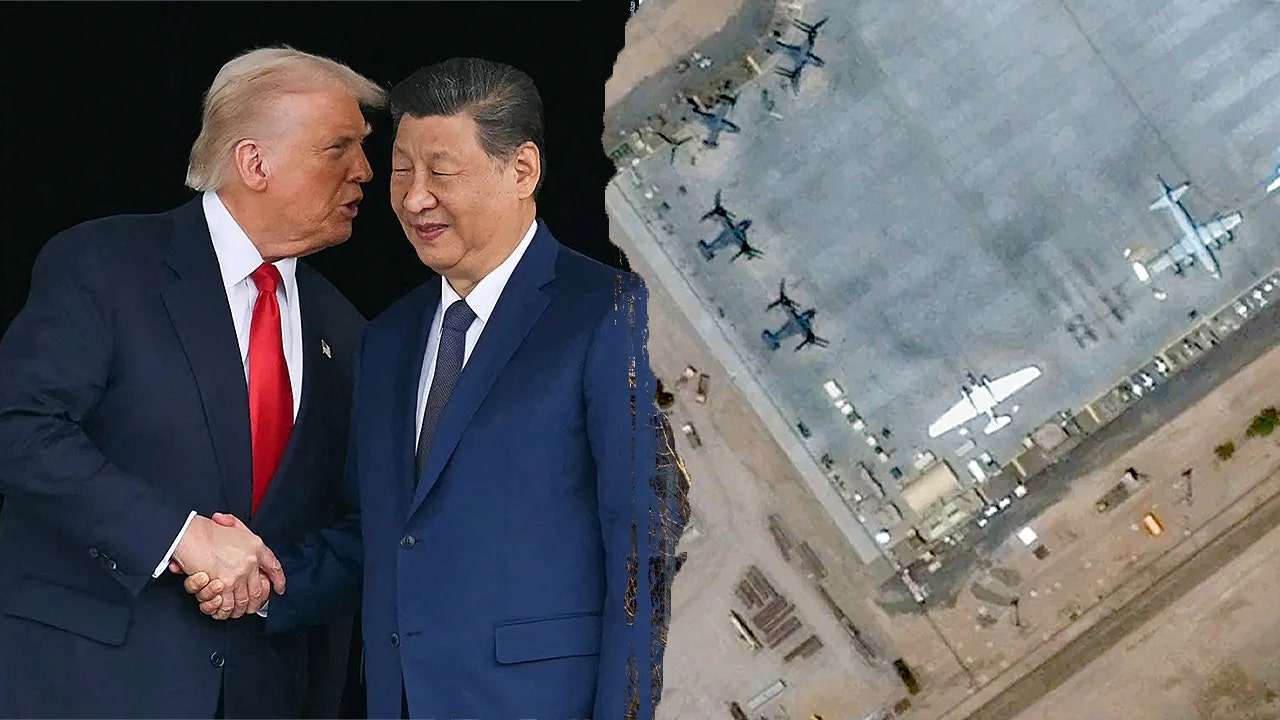
It remains unclear whether the deal struck between Washington, Denmark and Greenland on 18 September covers an oil exploration project in eastern Greenland’s Jameson Land Basin, an area previously eyed by the Donald Trump administration.
Finnish Prime Minister Petteri Orpo hailed the Arctic Summit as a “very productive” high-level discussion that “goes beyond military security”.
“This is about economic security, critical minerals, energy, infrastructure and logistics, trade routes, security of supply, climate change and sustainable development,” Orpo said.
A source close to EU Arctic policy talks told Euronews that references to energy at the summit “could refer to other potential energy sources in the region, even solar, during long periods”.
The Commission announced €200 million in investments for Greenland on 7 September, including funding for “low-carbon energy production, storage and technologies suitable for the Arctic and system resilience”.
Read the full article here