










An American doctor working with a medical missionary organization in the Democratic Republic of the Congo has tested positive for Ebola, the Centers for Disease Control and Prevention and the aid group said Monday.
Dr. Peter Stafford was evacuated to Germany and is receiving treatment, the missionary group Serge said Tuesday.
At least 131 people are believed to have died from the latest outbreak of the virus in Congo, health minister Samuel Roger Kamba said Tuesday. There has also been one death in neighboring Uganda, the Africa Centres for Disease Control and Prevention reported. The WHO declared the outbreak a global health emergency on Sunday.
Stafford tested positive for the Bundibugyo ebolavirus variant after being exposed while doing a surgery at Nyankunde Hospital, in Bunia, a city in eastern Congo, said Matt Allison, executive director of Serge. Stafford has served at the hospital since 2023, the missionary group said.
“Peter’s doing well, all things considered,” Allison said on CBS News 24/7 on Tuesday. “He’s sick. He’s sad to be away from his family, but he’s getting the best care available to him.”
Stafford’s wife, Rebekah, who is also a doctor with Serge, is being monitored for symptoms and isolating with their four young children in Congo, Allison said.
“We’re working … on an evacuation strategy for them,” he said. “It is a dynamic situation and it’s a tender one.”
A third physician working with Serge, Dr. Patrick LaRochelle, is also isolating and being monitored for symptoms, the group said.
“All medical personnel involved adhered carefully to international standards throughout their service,” Serge said in a statement on its website.
Sources previously told CBS News that at least six Americans have been exposed in the outbreak. The CDC said Monday that six Americans, in addition to Stafford, are expected to be moved out of the region to ensure they can be monitored or treated.
The first suspected case in this outbreak was a health worker who reported symptoms starting on April 24 and died at a medical center in Bunia, the WHO said.
Since then, suspected cases have grown significantly and crossed country borders. Several factors, including the location of the outbreak — an urban area with significant population mobility — and attacks by armed groups in the region, have health officials concerned about further spread.
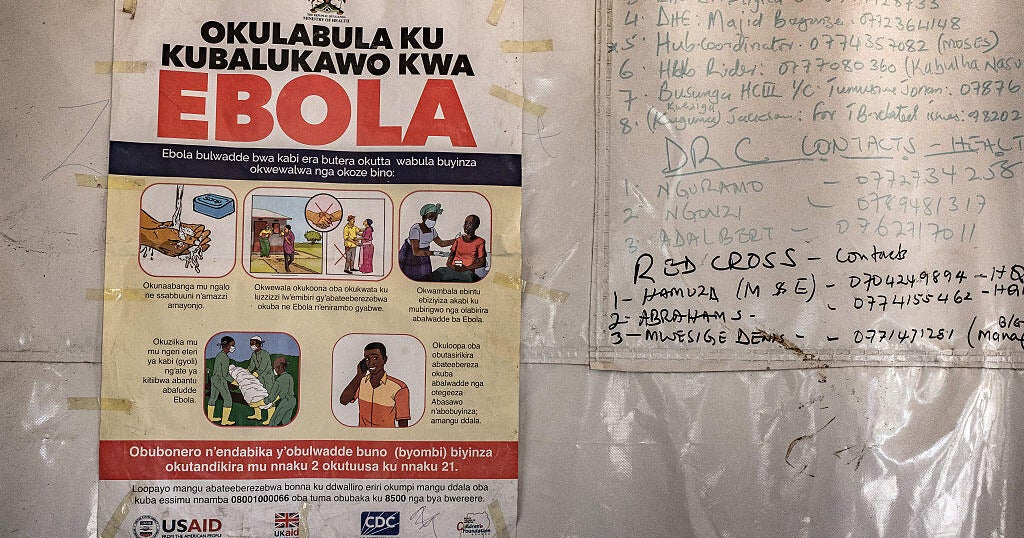
The outbreak is only the third known outbreak of the Bundibugyo strain, one of the viruses that causes Ebola disease. Unlike the more common Zaire strain, there is no vaccine or treatment for this strain, which was first discovered in Uganda in 2007.
Ebolaviruses are transmitted from person to person through bodily fluids such as vomit, blood or semen. Initial symptoms of the disease include fever, fatigue, muscle pain, headache and sore throat. As the disease progresses, symptoms include vomiting, diarrhea, abdominal pain, rash, organ dysfunction and sometimes internal or external bleeding, the WHO said.
Because it spreads through close contact, family members, caregivers and medical personnel can be at high risk from exposure to sick patients.