







With soaring energy prices and the threat of supply disruptions, the European Union is being forced to strike a delicate balance between staying on course towards climate neutrality and ensuring affordable energy for households and businesses across the bloc.
ADVERTISEMENT


ADVERTISEMENT
The EU’s plan to cut carbon dioxide emissions and reach climate neutrality by 2050 is facing mounting pressure, as national capitals grapple with rising energy costs and inflation. Some member states are even considering a return to coal in a bid to ease the burden on consumers.
As long as tensions in the Middle East continue to escalate — including the closure of the Strait of Hormuz, a vital chokepoint through which roughly a quarter to a third of global oil shipments and about a fifth of liquefied natural gas (LNG) flows — energy prices in Europe are expected to remain elevated.
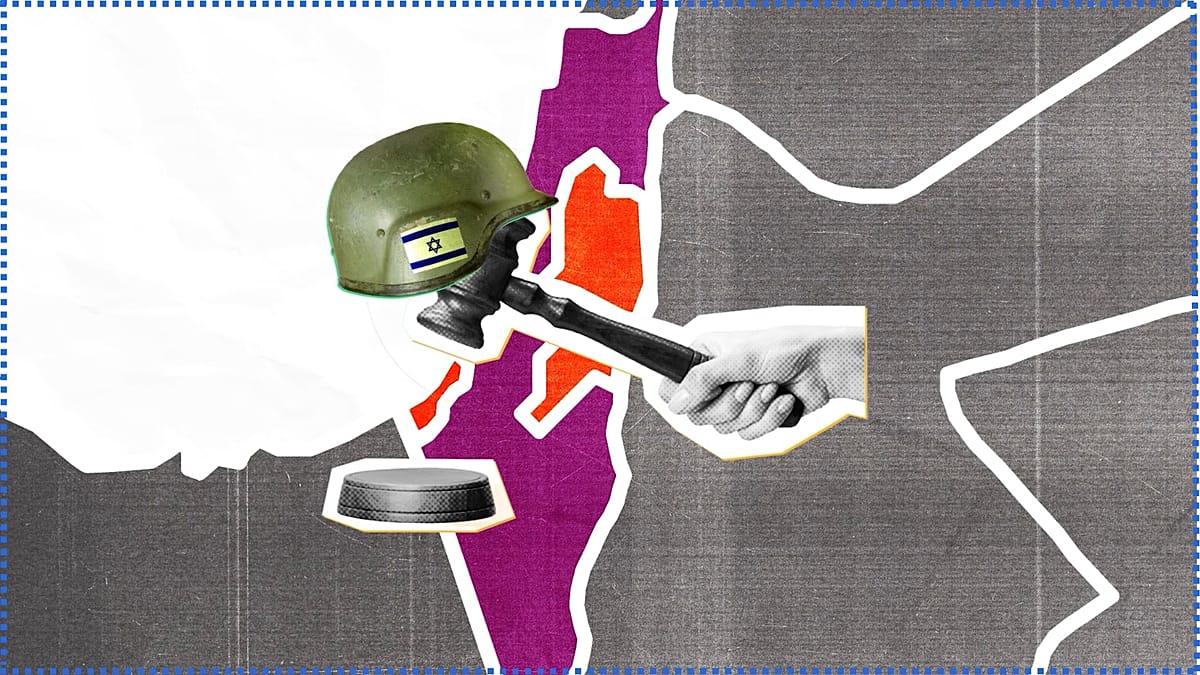
Since the United States and Israel launched military strikes against Iran on 28 February, gas prices in the EU have surged by around 70%, while oil prices have risen by approximately 60%. Analysts warn that even after the conflict ends, prices are likely to stay high for some time.
Despite the pressure, the EU insists it will stay the course on its green transition, arguing that reliance on fossil fuels leaves the bloc exposed to recurring external shocks.
“We are doing everything we can to prevent this from happening again. We must double down on our path to energy independence,” Energy Commissioner Dan Jørgensen told MEPs at the European Parliament on 25 March.
From pricing to supply concerns
Even as the crisis shifts from a question of pricing to one of potential supply shortages, Energy Commissioner Dan Jørgensen has continued to defend the case for the green transition following an emergency meeting of EU energy ministers on 31 March.
Speaking at a press conference, he said that domestic clean energy, electrification, modernised interconnections and improved energy efficiency “are the only way forward”.
While EU countries remain free to determine their own energy mix, they are bound by bloc-wide rules to achieve climate neutrality by 2050, requiring a steady reduction in greenhouse gas emissions.
Any move to scale back investment in clean power or electrification — or to rely on fossil fuels as a short-term fix to the worsening energy crisis — risks clashing with the EU’s long-term climate objectives.
Germany’s energy minister Katherina Reiche recently argued that the EU27 should consider softening its climate legislation. She also suggested a temporary return to coal to offset the shortage of natural gas and help bring down electricity bills. The proposal was echoed by Chancellor Friedrich Merz, who told an event in Frankfurt on 27 March that “we may need to keep our coal plants online for longer”.
Meanwhile, Italy’s government has announced a delay to its coal phase-out, pushing the deadline back to 2038 and describing the move as a “safeguard” against possible gas shortages or price spikes.
However, Luca Bergamaschi, executive director of the environmental think tank ECCO, said a return to coal would be “implausible”.
“Italy’s coal fleet is ageing and largely non-operational, with little recent investment. Plants have been idle for years. Restarting them would require new environmental permits, costly technical refurbishment and lengthy regulatory procedures,” he said.
Germany and Italy’s renewed reliance on coal is largely being framed as a last-resort measure to avert the worst of the crisis, with both Berlin and Rome maintaining their longer-term commitment to clean energy.
Berlin has recently joined the United Kingdom in stepping up investment in wind power in response to the turmoil. Meanwhile, Italy has secured the European Commission’s approval to deploy €6 billion in public funding to expand renewable hydrogen production.
Despite the geopolitical strain, the EU continues to take a firm line against reopening the door to Russian fossil fuels as a temporary fix — an idea recently floated by Belgian Prime Minister Bart De Wever.
On 30 March, the bloc warned member states to prepare for “prolonged disruption”, urging capitals to accelerate efforts to cut oil and gas consumption.
The EU’s green road
Domestic wind and solar power remain significantly cheaper than imported natural gas and oil. In 2025, renewables cost around €24 per megawatt hour, compared with roughly €100 per megawatt hour for gas, according to EU data. However, these costs have risen sharply since the outbreak of the war in Iran.
Since the energy shock triggered by Russia’s invasion of Ukraine in 2022, the EU has consistently argued that large-scale investment in renewable energy is key to achieving greater energy independence.
Even so, the bloc still faces a long road before it can become fully energy independent.
Upgrading Europe’s power grid infrastructure is seen as a crucial step, helping to optimise the flow of renewable electricity while reducing congestion and limiting curtailment.
Jørgensen urged MEPs on March 25 to back a “swift and ambitious agreement” on the Commission’s plan to revamp the European grids, to speed up infrastructure-building and the “desperately needed” interconnections.
Simone Tagliapietra, senior fellow at the think tank Bruegel, advised EU leaders not to slow down the low-carbon transition. He argues that the conflict in the Middle East shows that the deployment of clean, domestically produced energy sources should be accelerated.
“Only by reducing structural dependence on oil and LNG imports can Europe durably shield its economy from recurrent external shocks,” said Tagliapietra.
In the face of soaring energy prices, the French government is moving to accelerate the electrification of its economy and phase out reliance on fossil fuels, Prime Minister Sébastien Lecornu said on Wednesday.
“The issue is no longer only about climate, it now concerns national interest,” Lecornu said.
The government aims to cut France’s reliance on fossil fuels from 60% to 40% by 2030, through the electrification of transport and buildings, including wider adoption of electric vehicles and heat pumps.
Spain and Portugal shielded from rocketing prices
Spain and Portugal have been hailed as two good examples of how investment in renewables pays off in the long term for energy security.
Madrid and Lisbon are the least exposed to supply shocks, thanks to their heavy reliance on wind, solar, and hydro energy, which kept electricity prices far below those in major European economies during the crisis.
While the Iberian countries didn’t experience immediate large price spikes, they remain exposed to global price volatility, yet the abundance of clean power in their energy mixes helps to shield them from astronomical electricity bills.
This scenario gives further impetus for EU leaders to encourage member states to seek more renewables, energy efficiency and electrification.
As part of efforts to accelerate the rollout of clean energy, Energy Commissioner Dan Jørgensen met representatives from the wind, geothermal and bioenergy sectors — including biomass and crop-based energy — on 27 March, as he explores ways to rapidly scale up renewables for heating and cooling while strengthening industrial competitiveness.
The European Commission is expected to unveil a revised energy security plan in the coming weeks, alongside an electrification action plan and a dedicated strategy for heating and cooling.
“Bioenergy is already part of the solution across households, industry and district heating. As the EU shapes its next policy steps, that practical contribution should not be overlooked,” a statement from trade association Bioenergy Europe said.
Aneta Stefańczyk, an industry expert at the European Climate Neutrality Observatory and public policy analyst at the Reform Institute, said that expanding electrification and clean energy — while reducing reliance on imported fossil fuels — should form the cornerstone of Europe’s long-term strategy.
“The current crisis in the Middle East further underlines the importance of this approach, as soaring oil and gas prices once again expose the risks of continued dependence on fossil fuels,” she said.
Read the full article here