







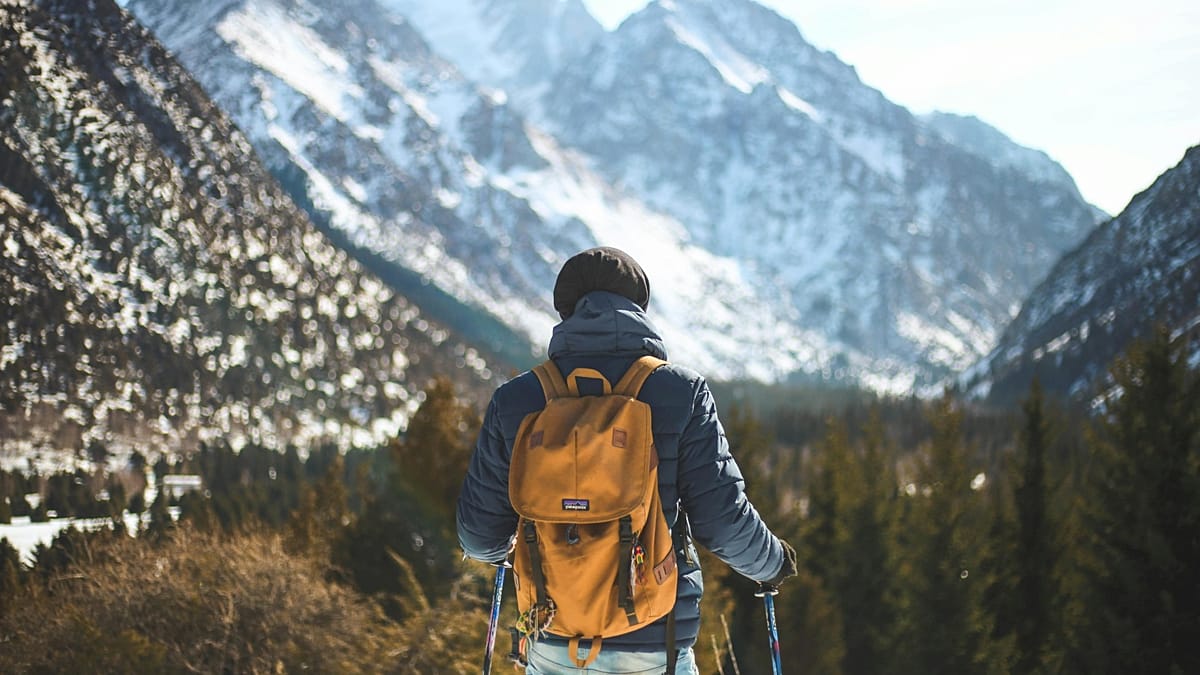
Traditional beach breaks could soon be overtaken by active holidays and “darecations”, as travellers increasingly seek adrenaline rushes and outdoor adventures over lounging with cocktails and a holiday book.
ADVERTISEMENT


ADVERTISEMENT
Challenge-based trips and bids for full throttle adventure in particular are seeing more interest in recent years. Pinterest has highlighted darecations as one of its biggest travel trends for 2026, with searches for adventure tourism surging 75% on the platform as well.
This is mainly due to a post-pandemic desire for travel and experiences that leave lasting memories and offer more cultural immersion, prompting more travellers to save up and invest in offbeat and once-in-a-lifetime trips over multiple generic ones.
The Adventure Travel Trade Association (ATTA) estimates the European adventure travel market to be worth approximately $464 billion (€404 billion).
Germany, France, Italy, Spain, the Netherlands and the UK are the biggest markets, with 73% of travellers saying that they’re “open to adventure”.
“Me and my partner often choose to go on your non-stereotypical holiday,” said Sophie Barker, a holidaymaker from Leeds in the UK. “As much as lying in the sun, catching a tan with an Aperol Spritz in hand sounds appealing, we’re both the kind to be bored after a couple of days of doing that on repeat.
“So now we always choose a holiday that’s a little more adventure packed – from hiking to skiing. We find that holidays like this do our mental health the world of good, over sitting about for a week.”
Which ‘darecation’ activities are most popular?
Trekking and mountaineering were some of the most sought-after adventure activities in 2026, seeing a 69% rise year-on-year, according to travel insurance policy data analysed by SportsCover Direct.
“For trekking and mountaineering, there’s no better place on this earth than the Himalayas – there are many beautiful mountains in the world, but nothing beats seeing the Himalayas with your own eyes,” travel writer Veronika Primm shared.
Marathon running holidays, or “race-cations”, saw a 56% annual rise, too, according to SportsCover Direct. These have been supported by a post-pandemic surge of community-driven and health conscious travel, especially among Gen Zers and women.
Increased participation in rub clubs, social media sports influencers and tailored marathon trip packages have supported this trend as well.
“Prague is great for experiencing a special half or full marathon in a beautiful Old Town setting,” Primm highlighted. “For the especially tough, it would be iconic to experience Ironman in Australia – specifically the legendary race in Port Macquarie, New South Wales.”
Sailing was another popular adventure holiday, seeing a 54% rise year-on-year, with Croatia offering stunning coastlines and sophisticated infrastructure. Another top water activity included white-water rafting which saw a 38% jump annually, with Norway’s Sjoa river being a prime spot.
Similarly, hiking holidays surged 44% annually. In Europe, hiking holidays are especially popular due to the vast network of well-marked trails spanning across diverse landscapes like the Alps, forest, historic towns, coastal routes and charming villages.
Other popular adventure holidays included safaris, archaeological digging, cricket and duathlons.
While the shift to more active holidays can be exciting, Chris Trotman, underwriting manager at SportsCover Direct, highlights the importance of choosing the right specialist travel insurance for a sport, as some policies may not cover niche adventure sports.
“It’s important to understand the risks associated with each activity, ensuring you have the right equipment and choosing specialist travel insurance to match your specific sport,” Trotman said.
“Whether you’re attempting your first marathon away from home or embarking on a multi-day trek, the right preparation means you can focus on the adventure itself with confidence and peace of mind.”
Balancing adventure and cultural immersion
While adrenaline-fuelled holidays have been skyrocketing, ATTA highlights that adventure does not mean the same thing across Europe, as some travellers want cultural immersion, some want active exploration and others want a balanced mix.
Germany was one of the most balanced markets. While it has more “adventure intensive” and “nature enthusiast” travellers than other markets, with outdoor activities like wildlife experiences and hiking being especially popular, it also prioritises cultural immersion and social connections while travelling.
However, Dutch travellers were much more likely to base their entire travel around adventure, with active experiences and exploration, instead of cultural immersion, being the main drivers of travel. Despite this, relaxation was also very important to Dutch travellers, with free time on a trip being considered ahead of budget, comfort and food.
On the other hand, cultural experiences, especially around heritage, history and cuisine, took centre stage for French and Spanish travellers, closely followed by spending time with friends and family.
Meaningful and transformative travel experiences were most important for Italian travellers, with personal growth being a strong factor too. They were also among the most willing to reduce waste, support locally sourced products and favour off-peak travel.
UK travellers leaned more towards adventure and exploration, with cultural discovery and social travel being other dominant factors. They were also some of the most interested in long-haul trips, especially to the Middle East and North America.
Across Europe, adventure travel increasingly means experience over intensity, with travellers preferring trips that blend culture, exploration and meaningful engagement with places.
“European travellers are highly experienced and increasingly motivated by meaningful travel,” said Russell Walters, regional director for Europe at ATTA. “They want to connect with local culture, spend time in nature and feel that their travel choices benefit the places they visit.”
Read the full article here