









By Dianne Apen-Sadler
Published on
•Updated
While commercial flights have been the safest mode of travel for decades, several high profile crashes over the past 12 months have understandably made flyers – both frequent and nervous – anxious about taking to the skies.
By looking at incident rates across 320 carriers, and adjusting for factors such as the total number of flights taken and the age of the fleet, website AirlineRatings has now ranked the top 25 safest airlines around the globe for 2026.
Other elements taken into consideration include pilot training and safety audits. This year, the airline review site has put an increased weighting on turbulence prevention in its calculations.
While the CEO Sharon Petersen has emphasised that the difference between airlines in the rankings is decreasing, there can be only one coming in first place, and in 2026 a Gulf carrier claimed the top spot: Etihad Airways.
It’s the first time a Gulf airline has come first in the rankings, with the Abu Dhabi-based outfit taking the top spot from Air New Zealand.
Three of the top five came from the region, with the list as a whole dominated by Asia-Pacific carriers. Seven European airlines were named among the top 25.
What are the safest airlines in Europe in 2026?
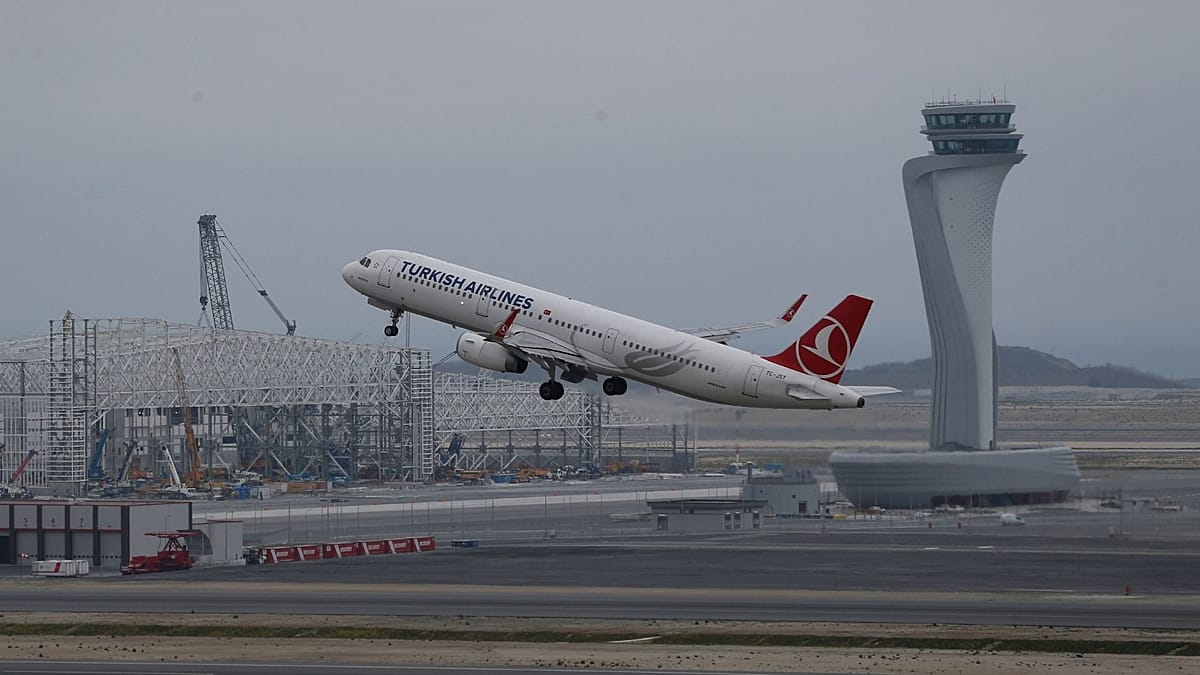
Turkey’s flag carrier, Turkish Airlines, was once again named the safest airline in Europe, coming in 12th place overall.
Operating from its hub in Istanbul, Turkish Airlines is the title holder of the world record for most countries flown to by an airline, and was also named the sixth best airline in the world by Skytrax in 2025.
The last fatal incident on a Turkish Airlines commercial flight was in 2009, when nine passengers and crew were killed after a Boeing 737-800 crashed while attempting to land at Amsterdam Schiphol Airport.
Hot on its tail in 13th place was British-based Virgin Atlantic, with its sister airline Virgin Australia just ahead in 9th place.
Since its launch in 1984, Virgin Atlantic has not had a fatal plane crash.
Other European carriers making the cut include TAP Air Portugal (16th), SAS (17th), British Airways (18th), Iberia (20th) and Lufthansa (21st).
What are the safest low-cost airlines in Europe in 2026?
Evaluated in a separate ranking, the European airlines accounted for 40 per cent of the low-cost carrier safety list.
While HK Express came out top, the best in Europe was named as easyJet, which was in fifth overall. The British budget airline has never had a fatal crash since its launch in 1995.
Next up was airBaltic in seventh, followed by Wizz Air in ninth, TUI (11th), Vueling (12th), Norwegian (13th), Jet2 (17th), Ryanair (18th), Transavia (20th), and Eurowings (21st).
How are the safest airline rankings determined?
Airlines evaluated by AirlineRatings are given a score out of seven, and the top 25 list is chosen from among those earning full marks.
The seven-star rating system looks at serious pilot-related incidents, deducting one or two stars depending on the severity and frequency, as well as fatal accidents in the past 10 years, which sees an airline lose three stars. This does not include terrorism, hijacking or suicide, nor does it include a crash that was caused by another aircraft.
Evaluations from international audits, including the IATA Operational Safety Audit, the International Civil Aviation Organization country safety audit and FAA safety ratings are also taken into account.
2026 is the first year an airline’s participation in the IATA Turbulence Aware programme has become a factor in the top 25 list, and there are plans to update the rankings further in the coming years by looking at policies on onboard lithium batteries, safety videos, and the use of advanced safety monitoring tools.
Peterson said of the rankings, “Overall, it is important to note that every airline featured in the 2026 list has recorded incidents over the past two years, from tail strikes to on-board fires and engine shutdowns, yet the actual incident rate per flight sits between 0.002 and 0.09 across the airlines, which is a true credit to the industry as a whole.”
Read the full article here