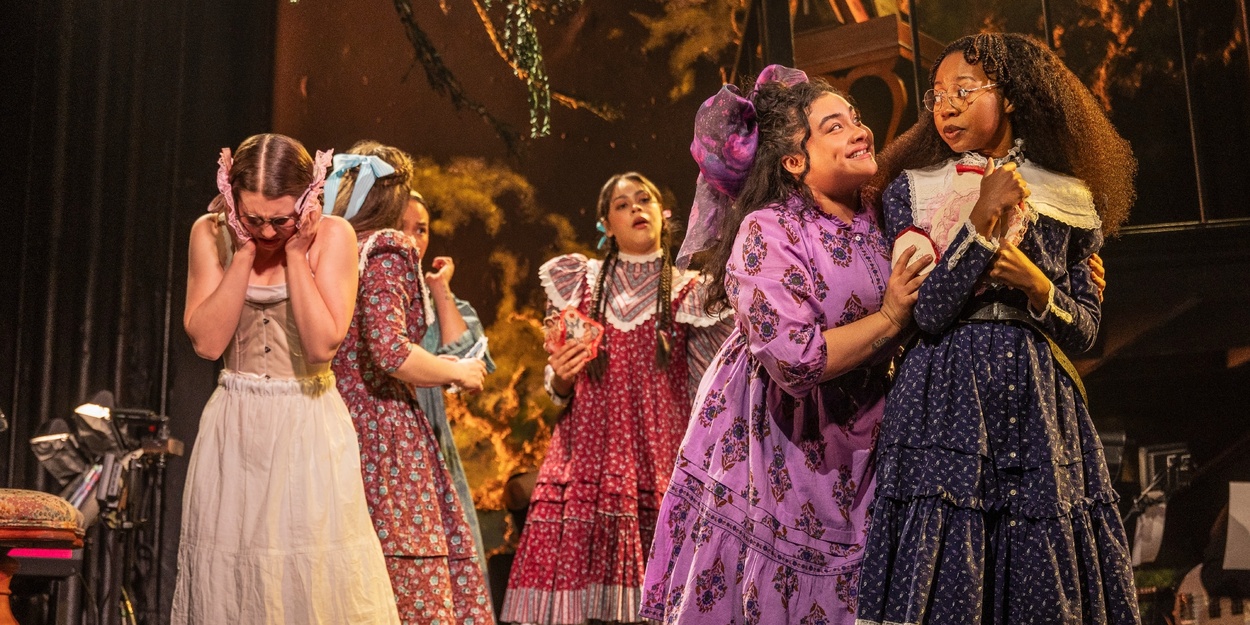










Amidst the welter of Best of and Most lists for 2025, American Theatre magazine took on a wider time horizon in its survey of the most influential theatre titles of the last 25 years, or quarter-century if you prefer. Like any such list, the results are fascinating and immediately provide a foundation for debate, disagreement and discussion, but this was no list cobbled together from the opinions of the magazine’s staff, as is often the case with such efforts, but a genuine survey.
Described in the preface to the list as being the results from “hundreds of theatre folks,” editor Rob Weinert-Kendt elaborated in an email saying that the exact number of respondents was 363, drawn from “every executive leader (artistic and Managing Directors) at all TCG member theatres, the entire American Theatre Critics Association list, a list of theatrical agents and playwrights reps and folks at the major licensing companies,” and other folks drawn from the staff’s address books.
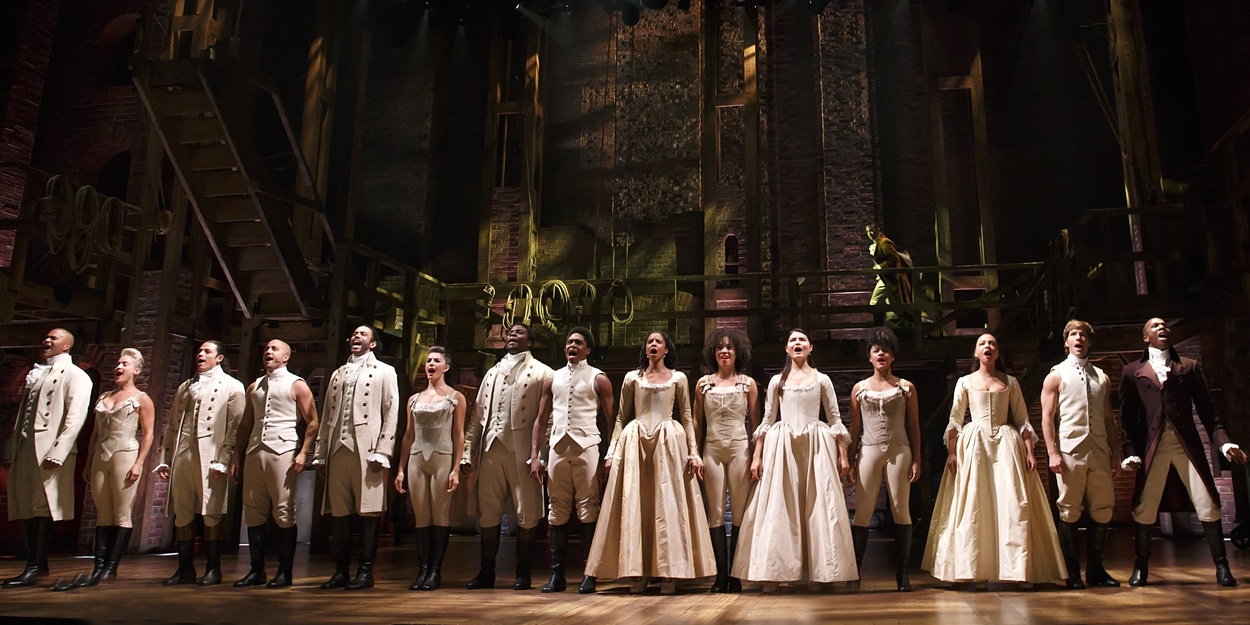
In addition to the 50 shows ranked, which was topped by Hamilton, American Theatre provided what was in essence a runner-up list of more than 40 more plays that they described as “being surprised, even shocked by the ones that were missing,” which might have argued for a top 100 list. But as with any list, there has to be a cut off somewhere. Still the article stands as an excellent basis for a curriculum on recent drama.
Perhaps it’s inevitable from a list that emerges from so many not-for-profit leaders, but what’s quite telling is that of the 50 titles that rose to the top, 44 of them began in the US from not-for-profit theatres; if one includes shows originated at UK institutional theatres that number rises to 46. And while 36 of the titles played on Broadway, it’s the not-for-profits that had the overwhelming edge in originating work, cementing the place of not-for-profit theatres as the cauldron in which our most influential work is forged. Only four shows – In The Heights, Oh, Mary!, The Goat and Wicked bypassed not for profit productions on their way to Broadway.
Certainly a few of the projects that originated at not-for-profits were brought there by commercial producers, particularly some of the musicals that dot the list (making up almost 30% of the total), since the NFP/commercial divide has long been blurred. Yet it’s fair to wonder whether, without their NFP runs, the commercial works would have reached Broadway in the shape they ultimately found, or have gotten there at all. Regardless, the list serves to bolster the essential nature of not-for-profits in the theatre ecology – worth noting at a time when many still struggle post-pandemic and some wonder whether the prevailing not-for-profit model will sustain for another quarter century against competing entertainment options and changing audience tastes.
The Fifty List is noticeably short on foreign titles, though it doesn’t appear that their inclusion was in any way proscribed; again, this might reveal bias in the sampled group. Only one foreign play appeared (at number 50, no less): Simon Stephens’ adaptation of the novel The Curious Incident of the Dog in the Night-Time. It does leave one to wonder what happened to the work of Caryl Churchill, oft cited as an influence by US playwrights, or for that matter the extraordinarily popular Yasmina Reza, whose God of Carnage would have fallen within the designated time frame and was widely produced but perhaps this only says that popular doesn’t equate with influential. And what of the UK import Sleep No More, which surely fueled the acceleration of immersive theatre nationally.
Intimations of provincialism aside, the list stands as a testament to the not-for-profit theater as the progenitor of the theatre that matters most to theatre, with the commercial theatre as defined by Broadway as tagging along after the ground was broken by the institutions. One wonders, were there a comparable list for the prior quarter century, whether the ratio of NFP originated work to commercially originated work might be different – after all, the not-for-profit theatre movement in the US only emerged in the mid 1960s.
By all means feel free to argue with the American Theatre list, but it strikes me as a fair assessment of the influential theatre work of the past 25 years. More importantly, it is a tacit endorsement of the now-essential nature of not-for-profit theatre, which finds the commercial world following – admittedly at times, with enormous success – the lead of the not-for-profits. But it also points out the risk to the system in a time of contraction and even a flight to safety in programming in many cases. What will influence the next 25 years? Where will it come from? Stick around and find out.