








As the EU executive convenes on Friday to assess how to tackle the spike in energy prices due to the ongoing conflict in the Middle East, several European Union energy ministers have asked the European Commission not to change the current design of the bloc’s electricity market.
ADVERTISEMENT


ADVERTISEMENT
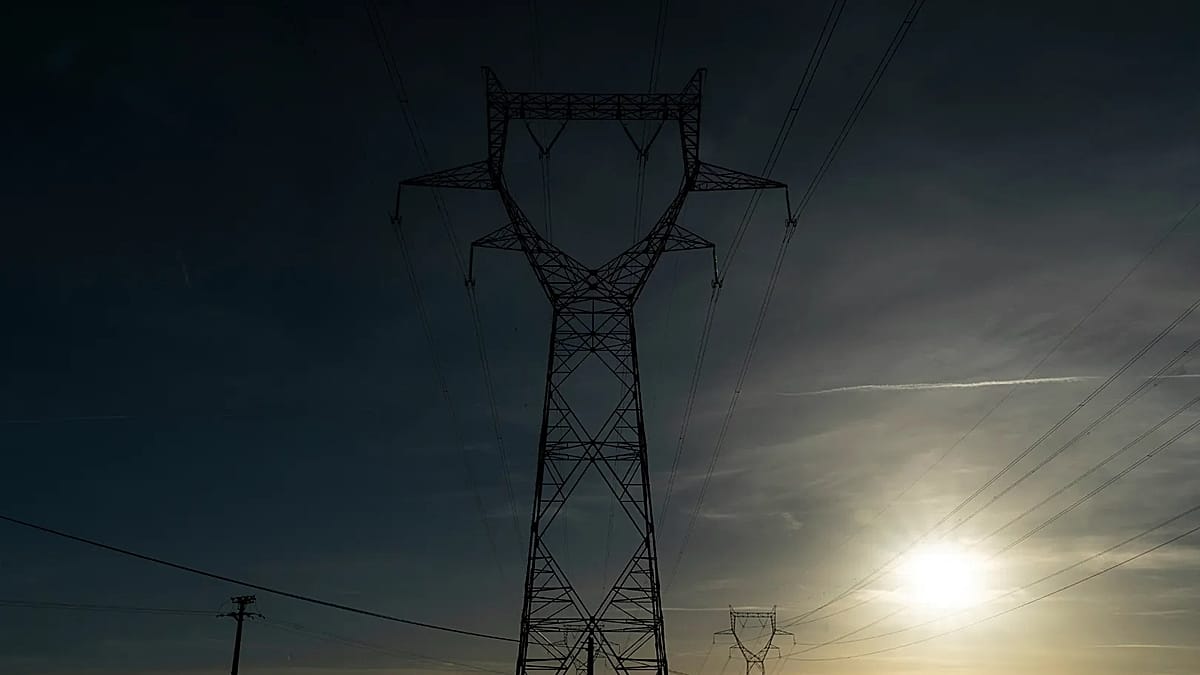
With the EU’s leaders teeing up for a revision of the current system, ministers from Denmark, Finland, Latvia, Luxembourg, the Netherlands, Portugal and Sweden sent a letter to Energy Commissioner Dan Jørgensen saying the system as it stands works well, supports cross-border electricity trade and has saved Europe about €34 billion per year, according to a letter seen by Euronews.
“We invite the Commission to refrain from presenting power market reforms that risk impairing the much-needed investor confidence (…) The latest electricity market reform includes a new framework to promote flexibility that will play an increasingly important role in our electricity system,” reads the letter from EU energy ministers, dated 5 March.
EU leaders are facing increased pressure to find solutions to lower energy prices, with industry players calling for “urgent and bold” action to reduce production costs and carbon taxes.
The industry plea resonates with the bloc’s competitiveness agenda, an effort to reindustrialise energy-intensive sectors and boost domestic manufacturing. But the formula is not straightforward, with several EU countries opposing the dismantling of rules that set energy prices.
Commission President Ursula von der Leyen and European Council chief António Costa said after the informal EU summit in Alden Biesen that the bloc was going to “present options” at the upcoming European Council, but stressed the “complexity of the problem”: electricity prices are tied to natural gas, and a new revision of the bloc’s electricity market design could be challenged by several EU countries.
Instead of reforming the market, the energy ministers recommended investing in renewable energy, improving cross-border flows and increasing energy flexibility and storage to reduce prices and strengthen energy security. This would help reduce the role of gas in setting electricity prices and encourage consumers to use power when it is cheapest, they argue.
Fatih Birol, the International Energy Agency’s Executive Director, was invited by EU leaders to join their so-called ‘orientation debate’ on lowering energy prices on Friday. He said that the ongoing energy disruption is “temporary and logistical”.
“I believe it is in the European countries’ interest for the energy security, and for the sovereignty of the European countries, to make more of their renewable energy – solar, wind – and making a strong comeback for nuclear power,” Birol told a press conference in Brussels.
ETS critics could seize on EU’s vulnerabilities
Attacks on the bloc’s carbon market, the Emissions Trading System (ETS), which makes industries pay for the pollution they emit, have also been voiced by industry and some EU countries, with von der Leyen and Costa defending the bloc’s climate policy at Alden Biesen.
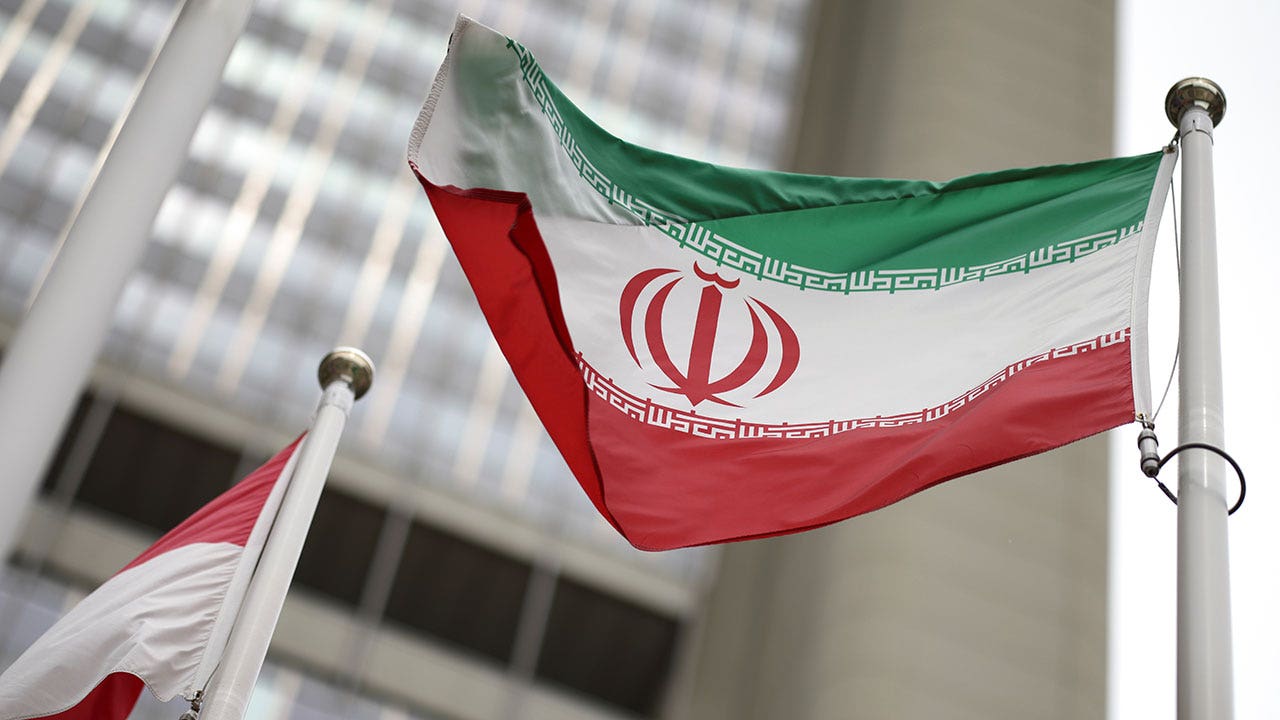
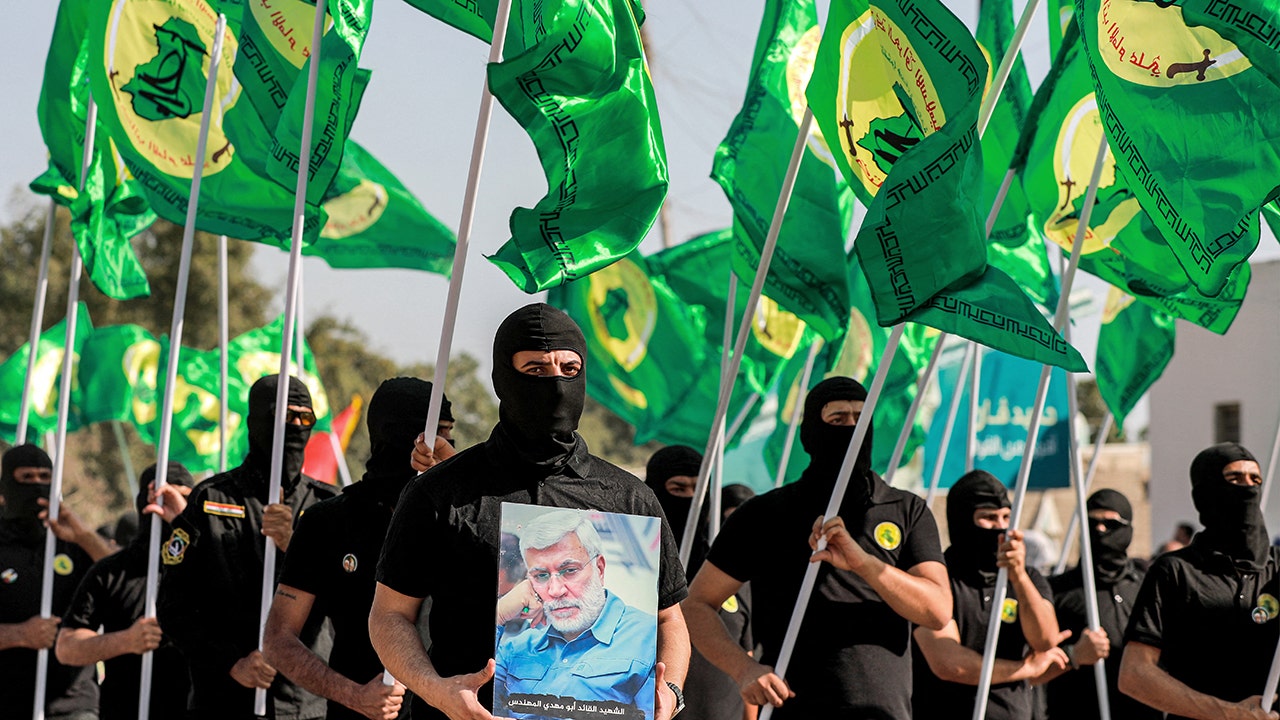
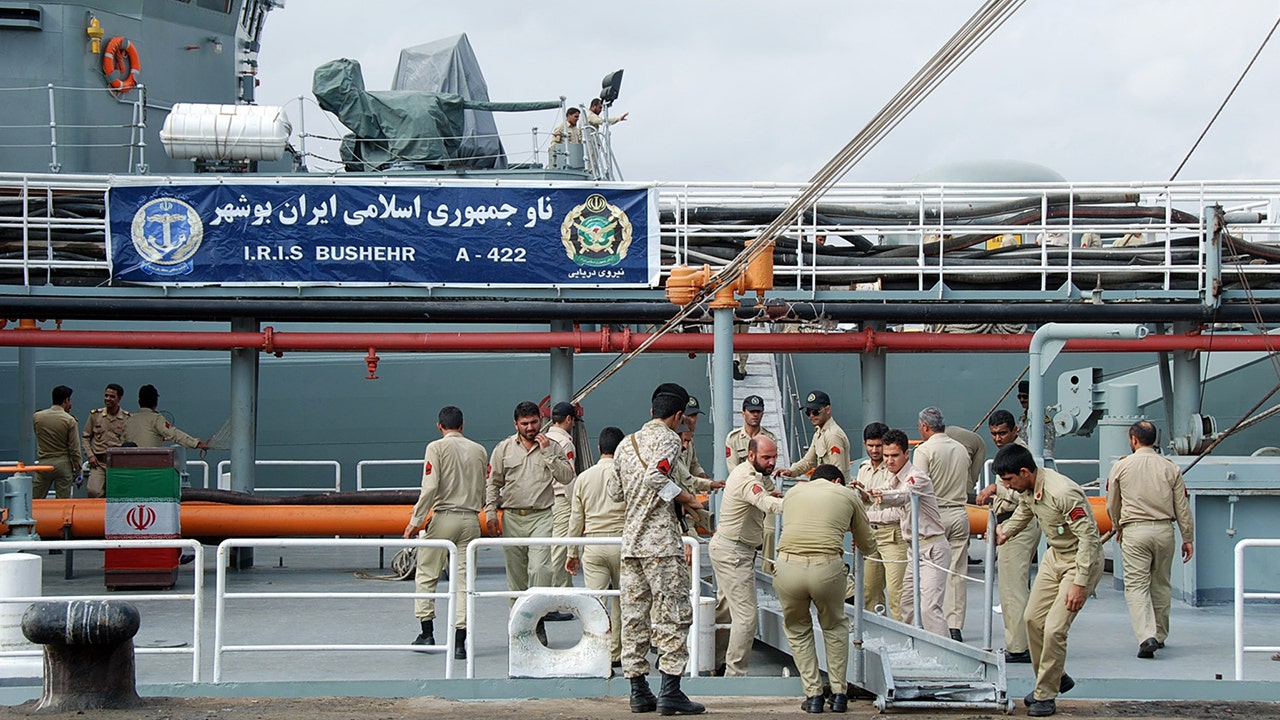
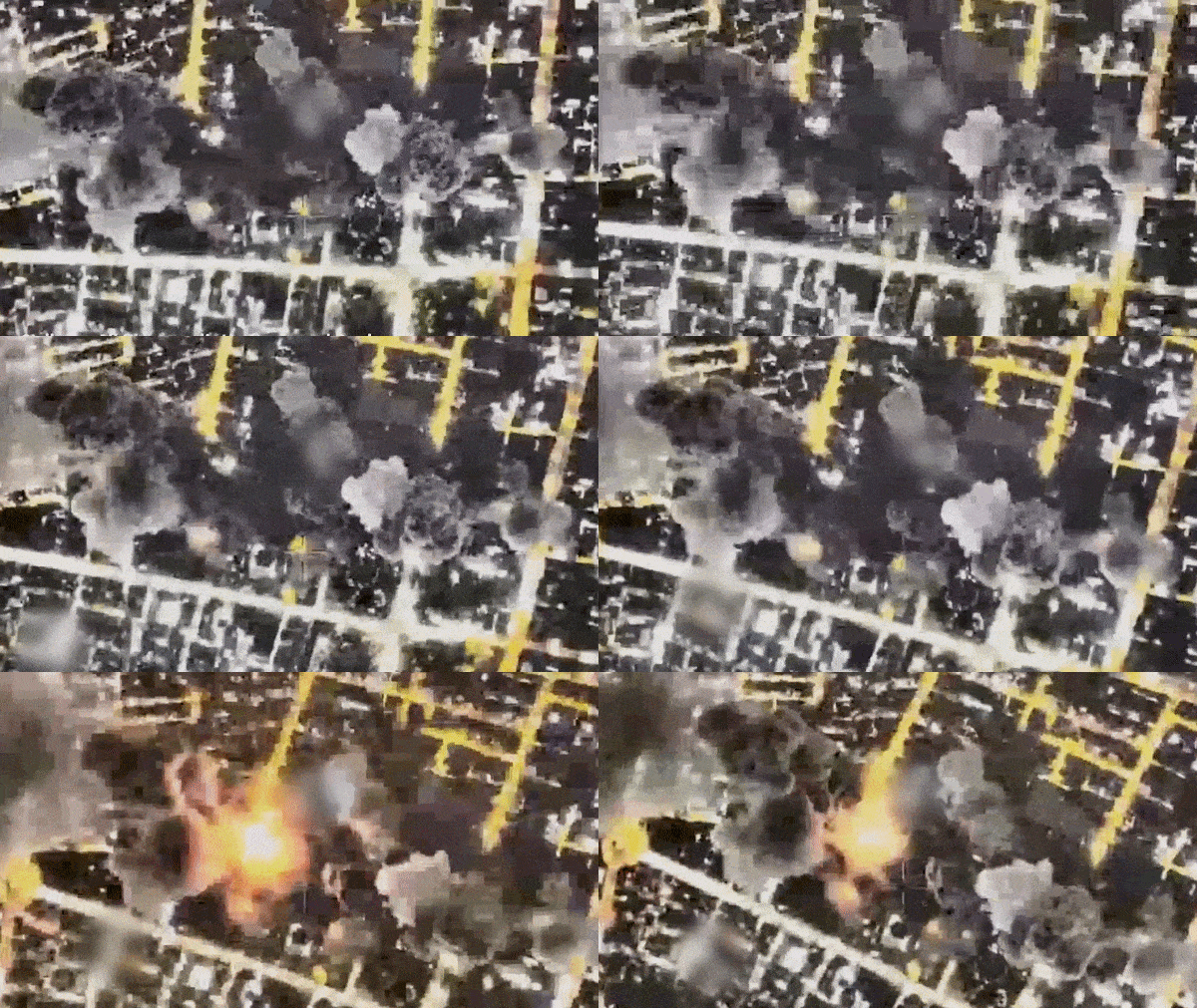
But the massive surge in oil and natural gas prices since the United States and Israel launched military attacks on Iran has added fuel to an already burning fire.
Confronted with a cascading energy crisis, EU leaders may become more vulnerable to pressure from interest groups seeking to scrap the ETS, especially in Germany, where Chancellor Friedrich Merz recently suggested the policy should be scrapped, though he backtracked shortly afterwards.
Caving to such demands would be a quick fix for ailing industries, with several chemical sites facing closure across European cities, but also the dismantling of a 25-year rule that has helped cut nearly 50% of greenhouse gas emissions since 1990, and the raising of more than €260 billion in funds that were channelled into clean technologies.
Italy was the latest EU country to call for scrapping the ETS, adding to previous calls from Bulgaria, Czechia, Slovakia, and Poland as the EU executive prepares to revise the bloc’s major climate policy in the summer.
Anna Borg, CEO of energy company Vattenfall, is calling on the EU to keep the ETS and marginal pricing to give businesses regulatory certainty.
“Don’t mess with the ETS. Undermining trust in the ETS and in how electricity markets function places the hope for short-term relief over long-term strategy and weakens Europe’s competitiveness,” Borg said on Thursday.
Sharing the burden of price spikes
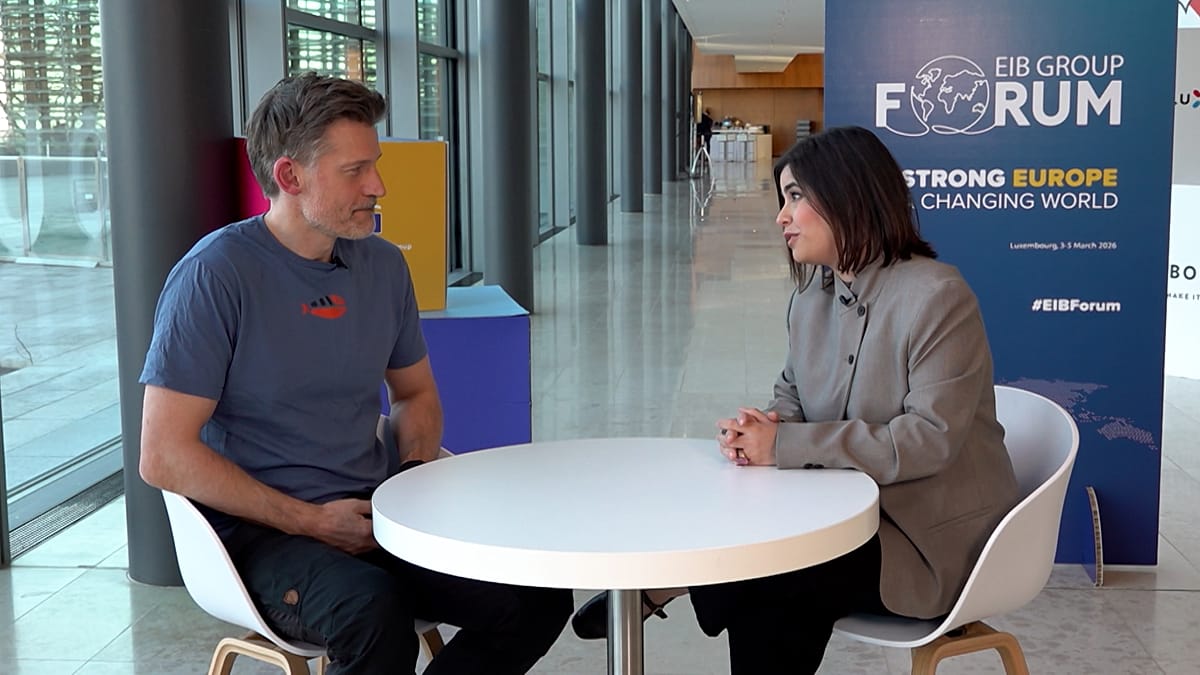
Speaking on the sidelines of a European Investment Bank event on Tuesday, Executive Vice President Teresa Ribera hailed energy security as a key pillar of the bloc’s economic security.
“When tensions rise, prices jump and confidence falls. The answer is not new dependencies but faster electrification, renewables and efficiency. The real risk is not moving too fast on clean energy, but too slowly. The clean transition is Europe’s shield against volatility,” Ribera said.
Yet, so far, the benefits of investing in clean technologies to decarbonise the economy and cut pollution haven’t really been felt in household or company energy bills.
Philippe Lamberts, von der Leyen’s Climate Advisor, raised the issue on the sidelines of the Energy Summit on Wednesday.
“I invite you all to look at the balance sheets and the financial results of energy-generating companies. That is where the difference is felt,” said Lamberts.
With the current structure of our electricity market, the former Green MEP said, we’re currently seeing rent extraction, a process where dominant market actors use their power to secure unearned income, like excessive fees, without increasing productivity or creating new wealth.
“I think we are going to see that (rent extraction) even more in the coming weeks,” Lamberts added.
“We need to make sure that the burden of the current situation with energy price spikes is spread in a fair way among economic actors,” he said, suggesting that the lower prices of renewable electricity need to benefit electricity consumers as well and not just the generators.
Read the full article here