









Good Monday morning from Brussels. I’m Mared Gwyn with the news and analysis from Europe to start your week.
Just in: Ignacy Niemczycki, Poland’s Minister of State for EU Affairs, has told Euronews’ morning show Europe Today that Russia is not negotiating in good will and shows no interest in ending the war, ahead of planned trilateral talks with the US and Ukraine in Abu Dhabi on Wednesday.
“We’re really hoping that the US will be able to convince Russia to be more creative in those discussions,” minister Niemczycki told Europe Today. “Russia is not negotiating with good will right now. What we see is they are trying to prolong the discussion whereas we strongly believe that Ukraine made a significant effort to find a solution to put an end to this war.”
“Our understanding of the situation is that they (Russia) unfortunately want to continue (the war),” he added. Watch.
Ukraine’s future and the implications of the ongoing war for Europe’s security were under the spotlight when twenty of Europe’s centre-right leaders gathered at an informal “retreat” in Zagreb over the weekend.
Speaking to reporters after the gathering, the European People’s Party (EPP) leader Manfred Weber suggested on Saturday that the EU needs to plan its response to a potential military aggression on one EU country, by fleshing out the actions that its little-known “mutual assistance clause” would trigger.
Article 42.7 of the EU Treaty says that if a member country is “the victim of armed aggression on its territory”, the other member states will have an “obligation of aid and assistance by all the means in their power” in accordance with the right of collective self-defence recognised by the UN Charter.
The clause suggests an attack on one member state could trigger diplomatic, humanitarian, medical, civilian and military aid from others, without providing further detail. US President Donald Trump’s recent threats to seize Greenland, an autonomous territory belonging to its NATO ally Denmark, has invited fresh scrutiny over the clause.
“We don’t have yet a clear plan about what this Article 42.7 really means in real terms,” Weber told reporters from the retreat.
He added that “more European projects” or even “common structures” with power to decide the response to a military aggression against an EU member state are “now on the table.”
He also “warmly welcomed” President Emmanuel Macron’s proposal to share France’s nuclear umbrella with other European allies “having the new developments with the US in mind.”
Also under discussion in Zagreb: Europe’s economic woes, ahead of planned talks between the EU’s 27 leaders later this month on how to restore the bloc’s competitive edge.
Former Italian premiers Enrico Letta and Mario Draghi, both authors of recent blueprints on Europe’s competitiveness, will join those talks on February 12, as confirmed last month to Euronews by Council President António Costa.
Over the weekend, the EU’s industry chief Stéphane Séjourné called for a sweeping “Made in Europe” strategy including an “European preference” clause for state aid and public procurement, as part of the push to restore the bloc’s competitive edge faced with fierce global competition.
The strategy is broadly considered to have been accelerated by US President Donald Trump’s recent aggressive tariff policy and threats of an all-out trade war with the European bloc.
“Without an ambitious, effective and pragmatic industrial policy, the European economy is doomed to be just a playground for its competitors,” Séjourné argued in a column published by several major European outlets and signed by over a thousand business leaders. “We must establish, once and for all, a genuine European preference in our most strategic sectors,” he argues. “It rests on a very simple principle: every time European public money is used, it must contribute to European production and jobs.”
Also in this newsletter: we bring you the latest on the brewing tensions in Iran, and preview this week’s Ukraine talks.
Ukraine talks to resume in Abu Dhabi on Wednesday as fate of energy ceasefire remains uncertain
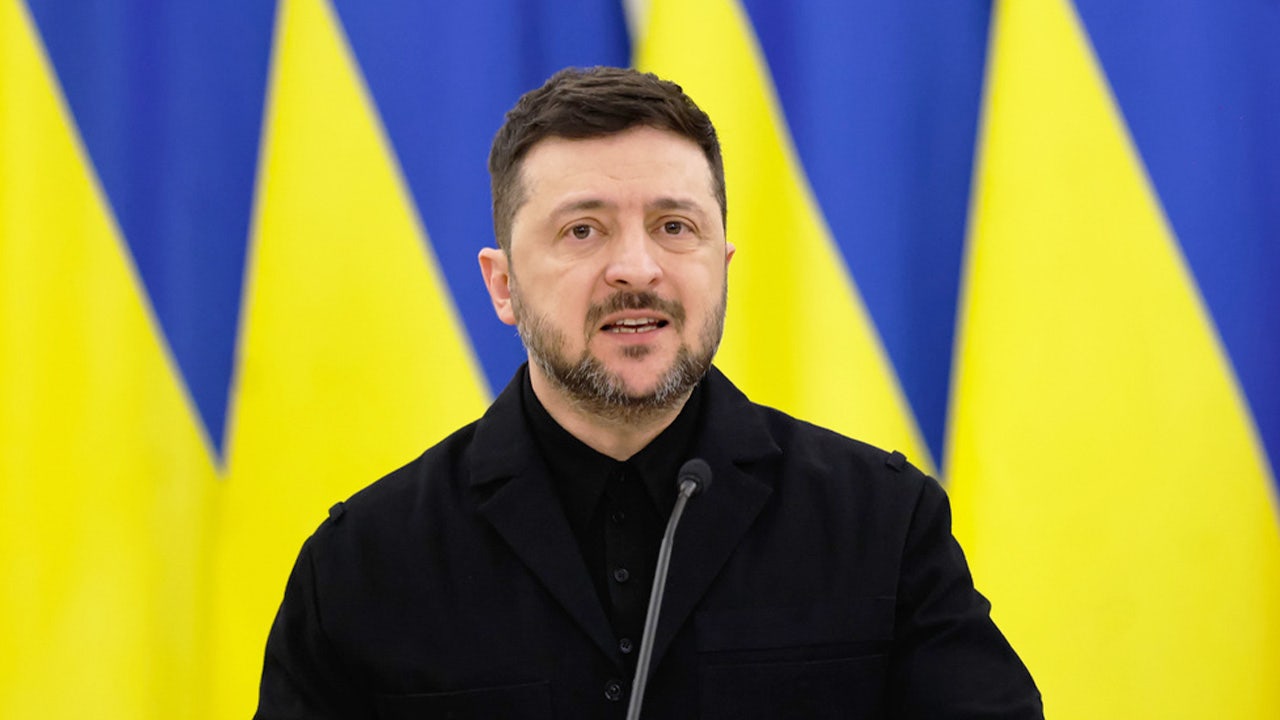
Trilateral talks between Ukrainian, Russian and US representatives are due to resume in Abu Dhabi on Wednesday, Ukrainian President Volodymyr Zelenskyy has said.
“Ukraine is ready for a substantive discussion, and we are interested in ensuring that the outcome brings us closer to a real and dignified end to the war,” Zelenskyy said on Sunday.
The talks, which will be held for the second time under such a format, had been due to start on Sunday but were delayed abruptly after it emerged Trump’s envoy Steve Witkoff, son-in-law Jared Kushner and Treasury Secretary Scott Bessent had met top Russian envoy Kirill Dmitriev in Florida on Saturday.
Witkoff described the meetings with Dmitriev as “productive and constructive.”
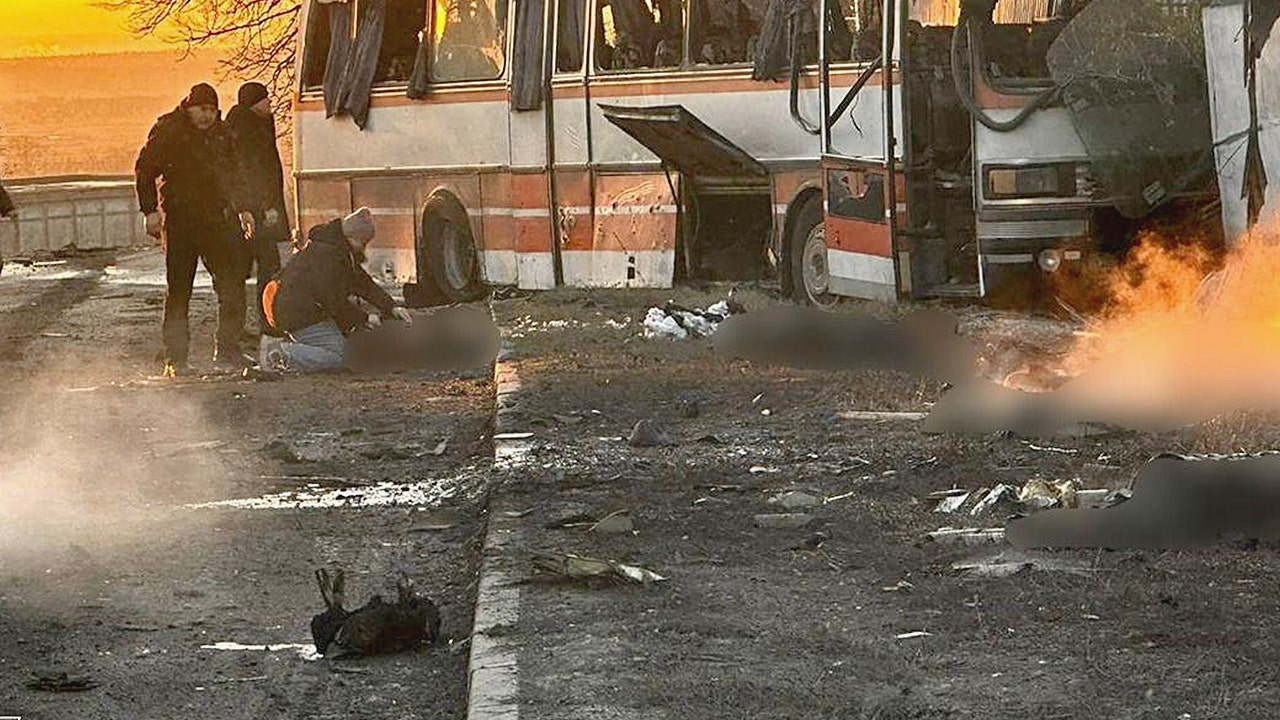
It comes as Ukrainians face a cold snap amid continued energy shortages after Russian bombardments plunged the country into darkness and bitter cold. Temperatures in some areas have plunged below -20°C.
While Russia has agreed to refrain from further pounding Ukraine’s energy network as part of a Trump-brokered truce, the fate of that agreement remains uncertain. The Kremlin said on Friday that it had agreed to halt strikes on energy sites until Sunday.
Tehran says it considers EU armies terrorist groups as diplomatic push for de-escalation with US intensifies
Iran has reacted to the EU’s decision to blacklist its Revolutionary Guard (IRGC) last week with a symbolic counter-measure, saying it considers all EU armies to be terrorist organisations.
The move was announced by the Islamic Republic’s speaker of parliament, Mohammad Bagher Qalibaf, a former Guard commander, on Sunday.
It’s a sign of deepening diplomatic tensions between European capitals and Tehran. The EU’s foreign policy chief Kaja Kallas had said that the risk of imperilling diplomatic contacts with the IRGC designation last week had been “calculated.”
A French diplomatic source described Iran’s counter-move as “entirely unfounded” and a “dismaying” response by the regime.
But Iran’s Foreign Minister Abbas Araghchi has warned the bloc of a “serious strategic mistake” just as the diplomatic flurry to contain a possible escalation of tensions in Iran intensifies.
Araghchi told CNN on Sunday that he believes his country can strike a deal with the Trump administration on its nuclear program, even amid the US’s military build-up in the region.
“I see the possibility of another talk if the US negotiation team follows what President Trump said: to come to a fair and equitable deal to ensure that there are no nuclear weapons,” Aragchi told CNN, but caveated that Iran had “lost trust” in the US as a negotiating partner, saying intermediaries in the region were working to re-build that trust.
Qatar is driving those mediation efforts, with Prime Minister Sheikh Mohammed bin Abdulrahman Al-Thani meeting top security officials in Tehran on Saturday.
Araghchi said both sides were “exchanging messages” through intermediaries and described the process as “fruitful.”
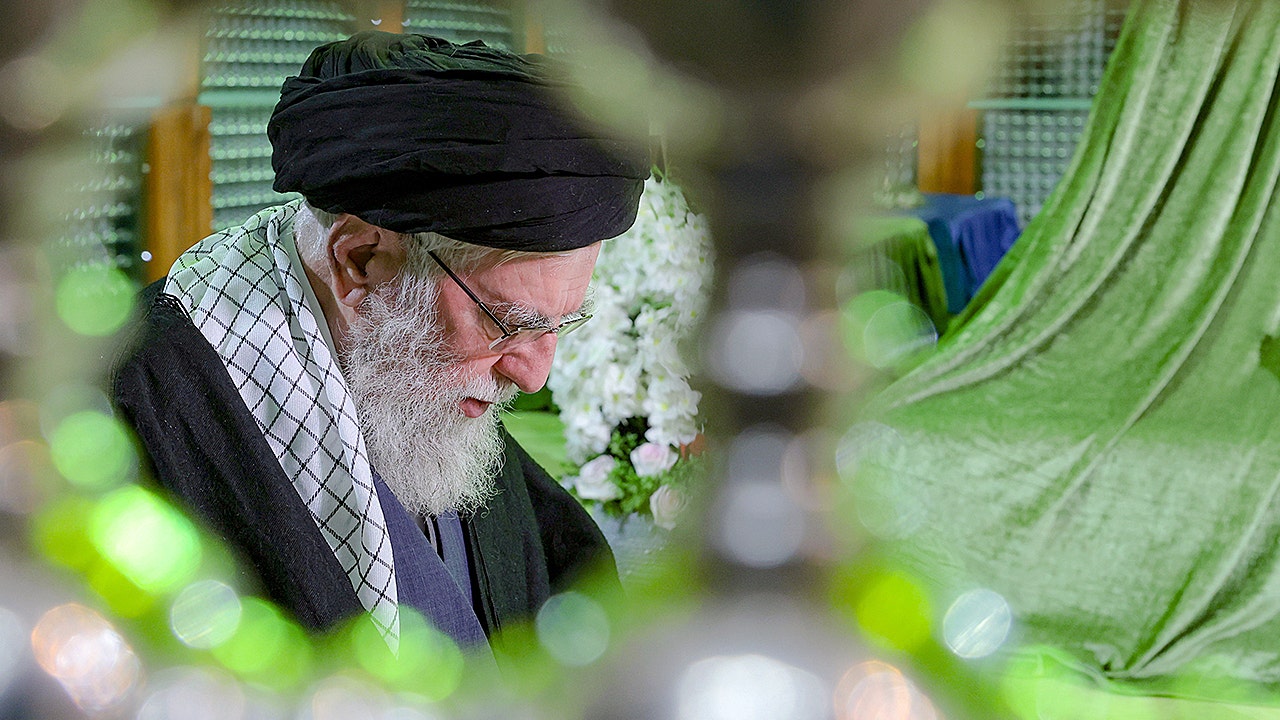
Iran’s supreme leader Ayatollah Ali Khamenei warned of a “regional war” on Sunday if the US were to attack.
More from our newsrooms
French tech giant to sell US subsidiary accused of providing services to ICE. Capgemini announced on Sunday that it was putting its subsidiary up for sale after days of backlash over its contract with US Immigration and Customs Enforcement (ICE). Alexander Kazakevich has more.
Why Denmark can’t use Ozempic as a trump card with the US in Greenland talks. Experts tell Anna Desmarais that despite its large US market share, the Danish manufacturer of weight-loss drugs Ozempic and Wegovy, Novo Nordisk, is not expected to have leverage over President Donald Trump’s administration during Greenland talks.
US to reopen its mission in Caracas after 7 years of diplomatic rupture with Venezuela. Almost a month after the US’s capture of former president Nicolás Maduro, the chargé d’affaires for Venezuela, Laura Dogu, arrived in the South American country on Saturday to reopen the US diplomatic mission. Rafael Salido has more.
What’s behind the sudden plummet in the price of gold and silver? Last week saw the prices of gold and silver tumble from previous record highs. Weronika Wakulska looks atthe underlying reasons.
We’re also keeping an eye on
- EU foreign policy chief Kaja Kallas visits Norway
That’s it for today. Maria Tadeo contributed to this newsletter. Remember to sign up to receive Europe Today in your inbox every weekday morning at 08.30.
Read the full article here