









Good morning from Brussels. I’m Mared Gwyn.
ADVERTISEMENT


ADVERTISEMENT
As the conflict in the Middle East enters its fourth day, questions are mounting over the US and Israel’s endgame and the extent to which regional actors could be pulled in.
The Israeli military launched fresh strikes on Tehran and Beirut on Tuesday morning and issued evacuation orders for more parts of southern Lebanon, as Saudi Arabia’s Ministry of Defense confirmed that the US Embassy in Riyadh had been damaged in a hit by two drones.
On Monday, US President Donald Trump attempted to lay out his vision as he defended an open-ended war with Iran, adding that the intent is to destroy Tehran’s nuclear and missile programmes and ability to support proxy groups in the region.
He added that the war could last “four to five weeks”, but could also take “far longer.” Israeli Prime Minister Benjamin Netanyahu has said the war will take “some time” but is not expected to extend into an “endless war.”
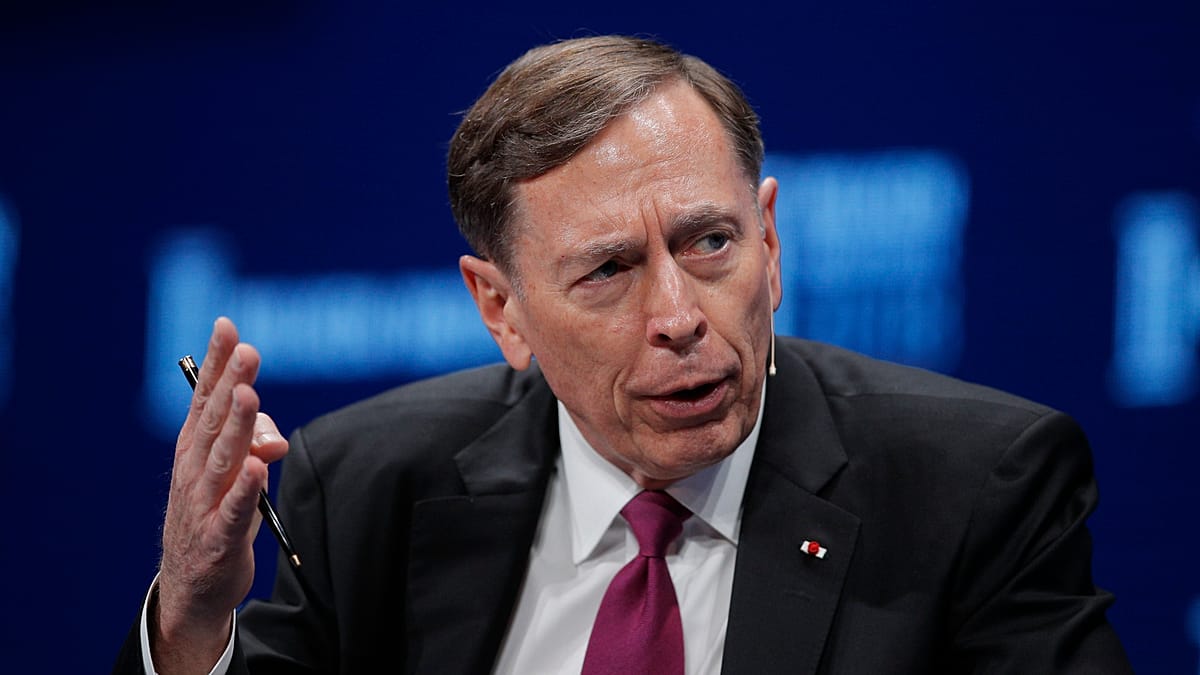
Trump failed to set out his vision for Iran’s regime, after initially indicating he wanted to support Iranian efforts to tumble their government. On Monday, former CIA chief and retired US Army General David Petraeus told Euronews that Trump could accept a more moderate regime figurehead in Iran and an arrangement similar to that struck with Delcy Rodríguez in Venezuela. More on that interview in our top story below.
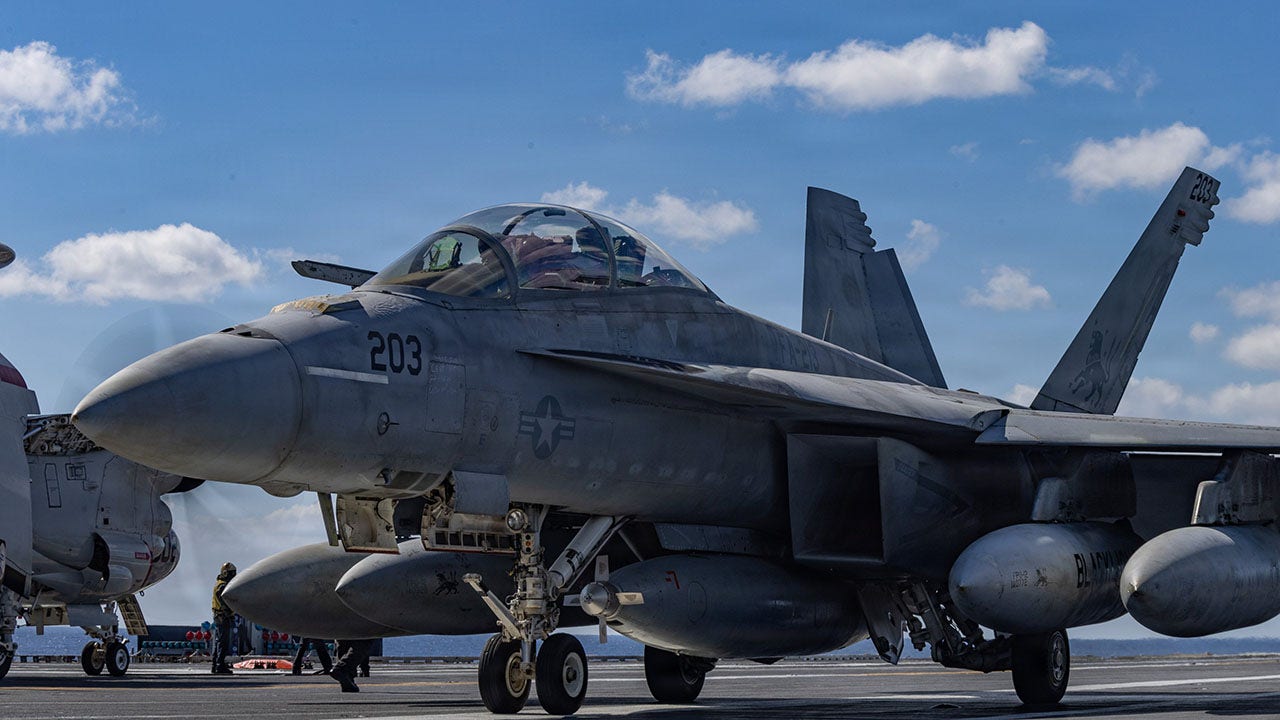
Meanwhile, despite European nations continuing to distance themselves from any offensive role in the conflict, Greece has deployed two frigates and two F-16 fighter jets to Cyprus to bolster the EU member state’s defences after a drone hit a UK sovereign base on its territory and two further drones were intercepted on Monday.
“Following the unprovoked attacks on the territory of Cyprus, Greece will… contribute in every possible way to the defense of the Republic of Cyprus in order to address the threats and illegal actions taking place on its territory,” Greece’s Defence Minister Nikos Dendias said.
Cyprus is not a member of the NATO Alliance, meaning it is not subject to the protections of the defence clause. Yet the EU executive said yesterday there was “no discussion yet” on activating the EU’s own mutual defence clause, known as Article 42.7, to trigger further assistance from other EU members.
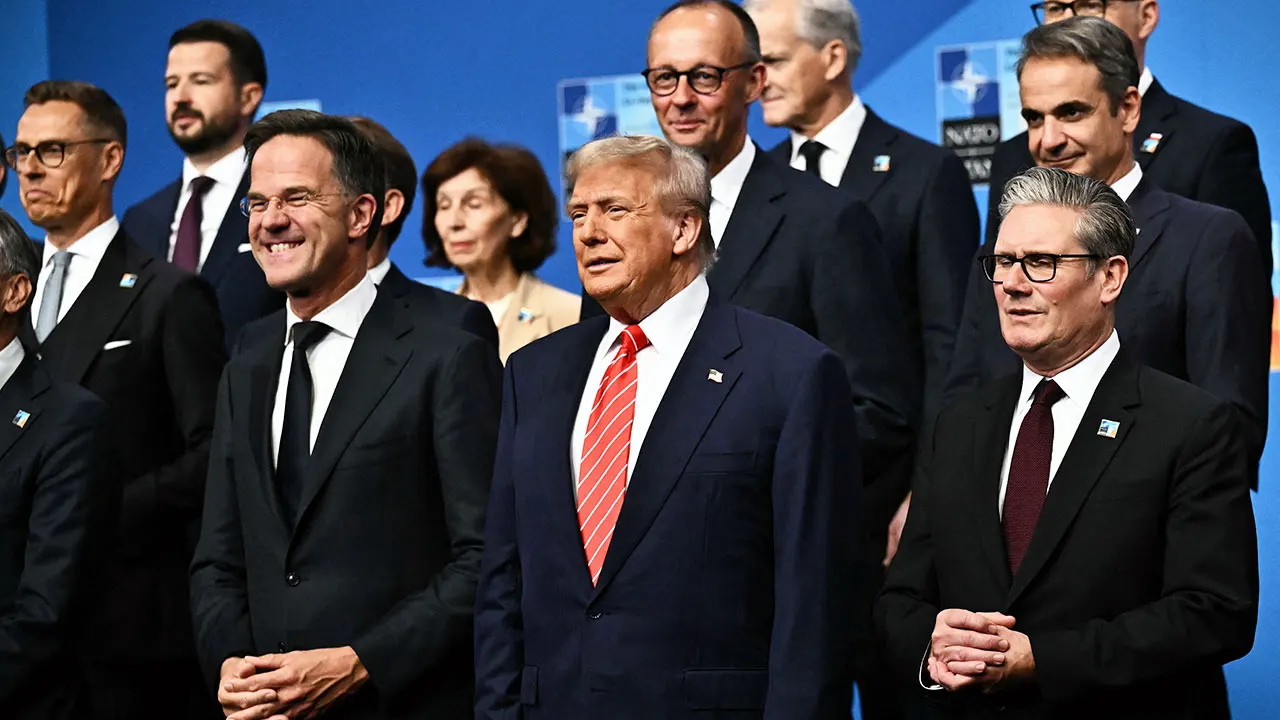
Speaking to the BBC on Monday, NATO Secretary-General Mark Rutte insisted that “all of us in Europe are extremely glad with what the Americans are doing” in Iran.
Yet Spain, which has emerged as the most critical European voice of what it describes as the US and Israel’s “unilateral” attack against Iran on Saturday, has said it will not allow the US bases of Rota and Morón in southern Spain to be used as part of the US’s ongoing conflict with Iran, in a clear break with the positions of the UK, France and Germany.
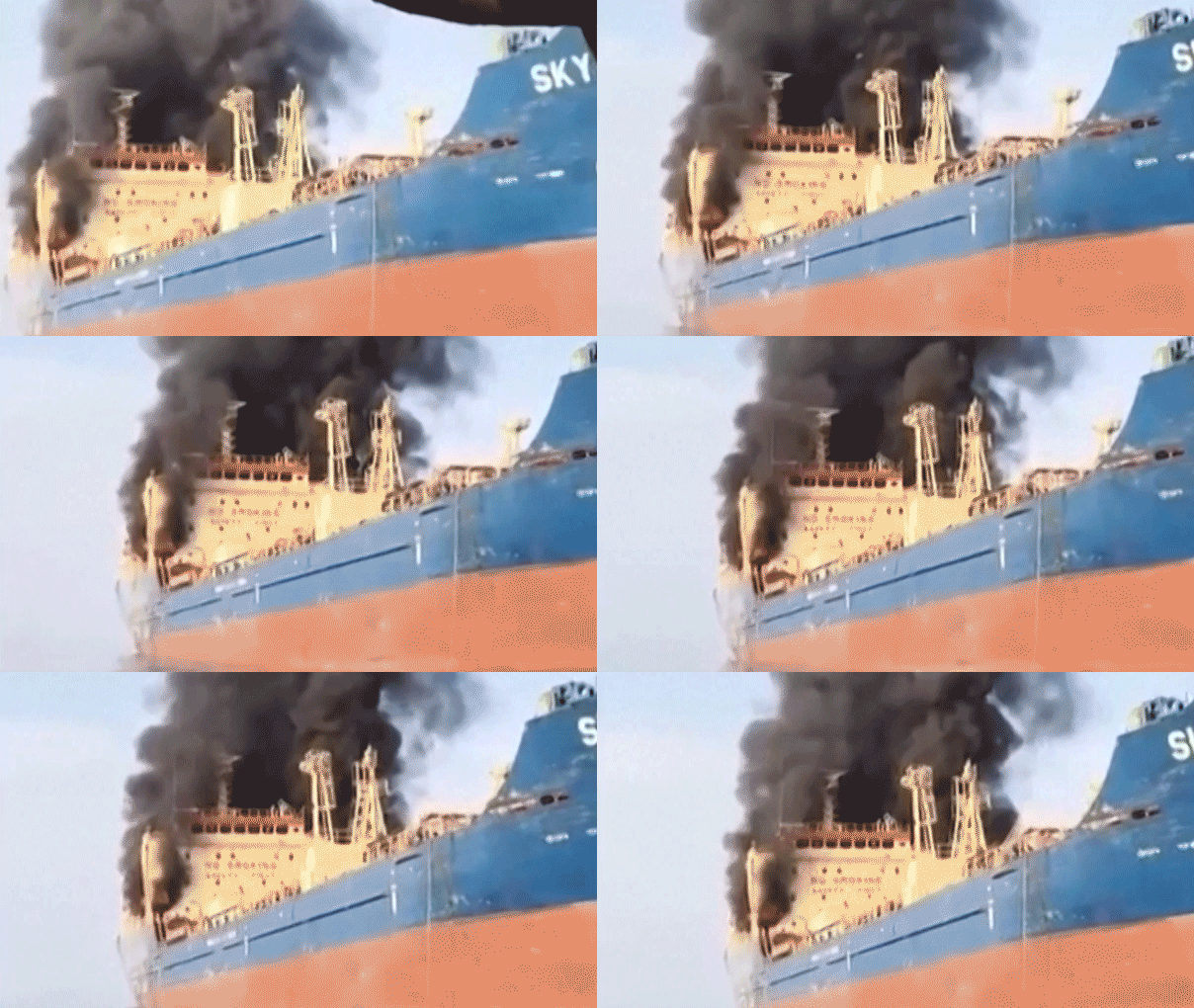
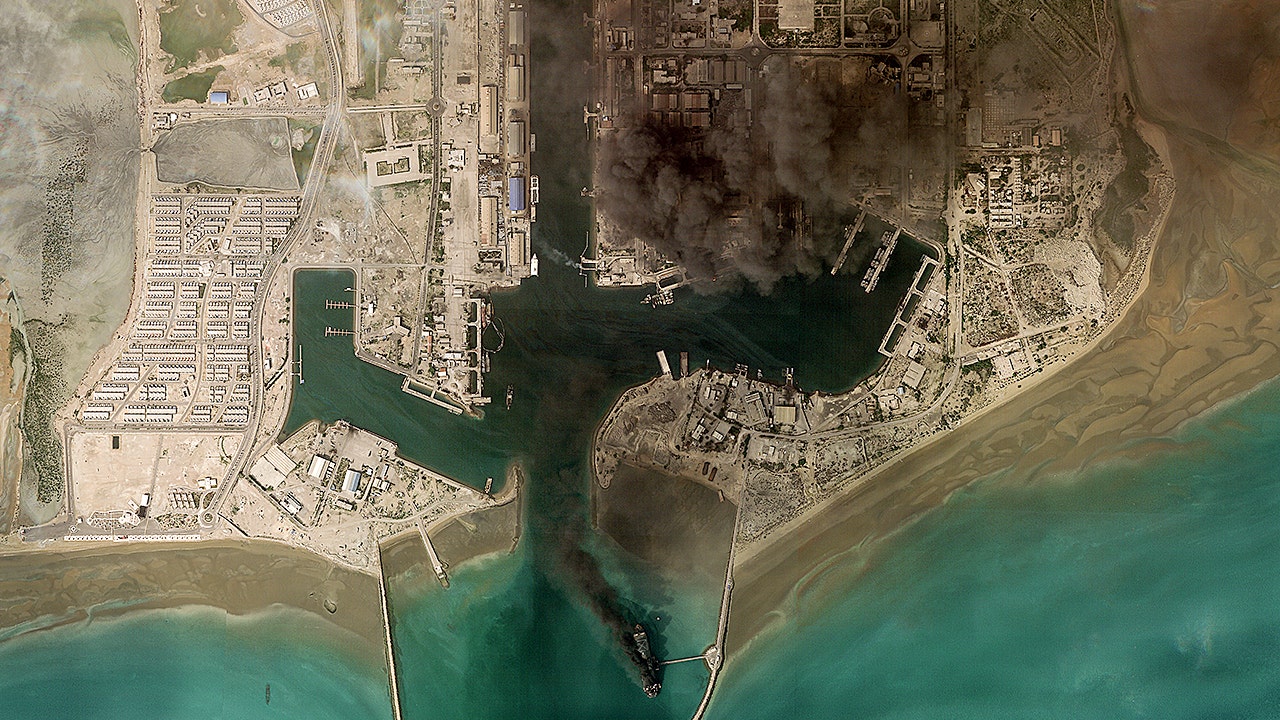
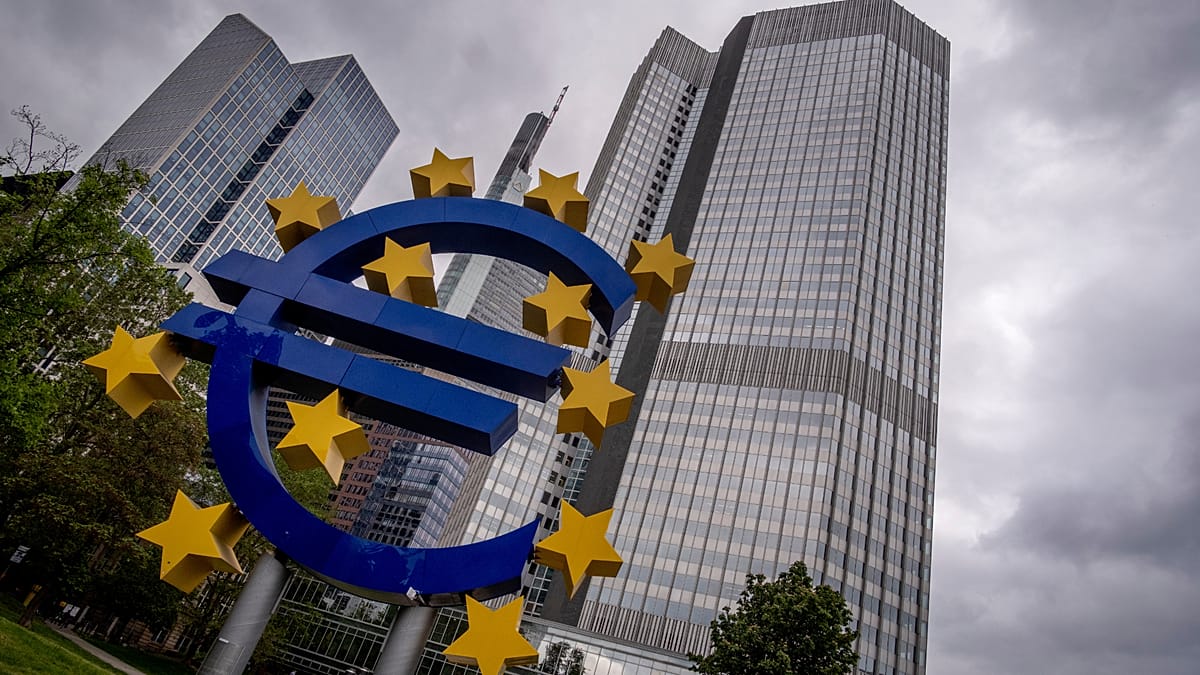
Meanwhile, European stocks saw further losses as trading opened Tuesday, after Trump indicated he could pursue a broad and open-ended war with Iran. Crude prices also rose for the third consecutive day after Iran threatened to set ships passing through the Strait of Hormuz on fire.
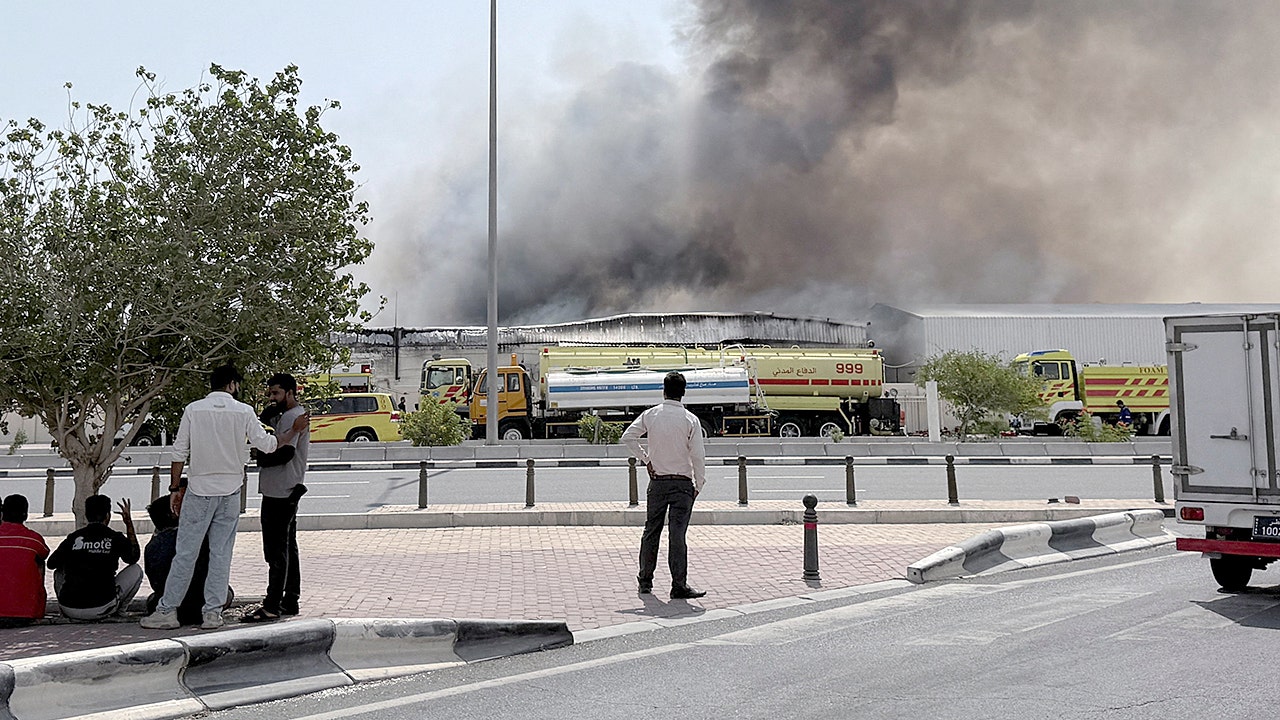
Europe is particularly vulnerable given its reliance on energy from the region. Gas prices surged dramatically on Monday when QatarEnergy, one of world’s top natural gas producers, said it was halting production of liquified natural gas (LNG) on Monday due to military attacks on its facilities, taking one of the world’s top suppliers off the market. The European Commission said earlier that there was “no immediate security of supply concern”.
On Monday, French President Emmanuel Macron announced he would increase the country’s nuclear arsenal and station nuclear weapons in Europe for the first time, in a landmark speech from a ballistic-missile submarine base in north-western France.
“I will never hesitate to take the decisions that are essential to protect our vital interests. If we were to use our arsenal, no state could avoid it,” Macron said during the address. Sophia Khatsenkova has more.
Former US General says Trump could accept a more moderate regime figurehead in Iran
Former CIA Director and retired US Army General David Petraeus has told Euronews he believes US President Donald Trump could accept the emergence of a more moderate figurehead from the existing Iranian regime who wants to “get along” with the US.
Asked if Trump could accept a scenario similar to that of Venezuela’s where the figurehead of the regime is removed but the apparatus remains intact, Petraeus said: “I think yes, and I think that it is possible, it’s conceivable.”
“The possibility is there certainly that someone could emerge who might say, look, Mr President, you’re right. What the nuclear programme and the arming of proxies and our killing of Americans and Arabs and Israelis has brought us is ruin. And we see the error of our ways and we wanna sail straight. We wanna get along with our neighbours and those in the region and with you. And we’re willing to give up our aspirations in all these cases.”
Petraeus also said that while Trump wants to create “the conditions for regime change that would be capitalised upon by the Iranian people”, he didn’t believe that the President had yet achieved those goals.
“Most of the times that you have a situation like this, the guys with the most guns and the most willingness to be brutal prevail,” Petraeus explained. “So the question is, is there someone who can break apart from that, who has real capability, real weapons with large numbers, and leadership capacity that can mobilise the people and together take on the regime? And unfortunately, I don’t think that is the base case right now.”
Watch.
Why the Middle East crisis will have a ‘negligible’ impact on the war in Ukraine
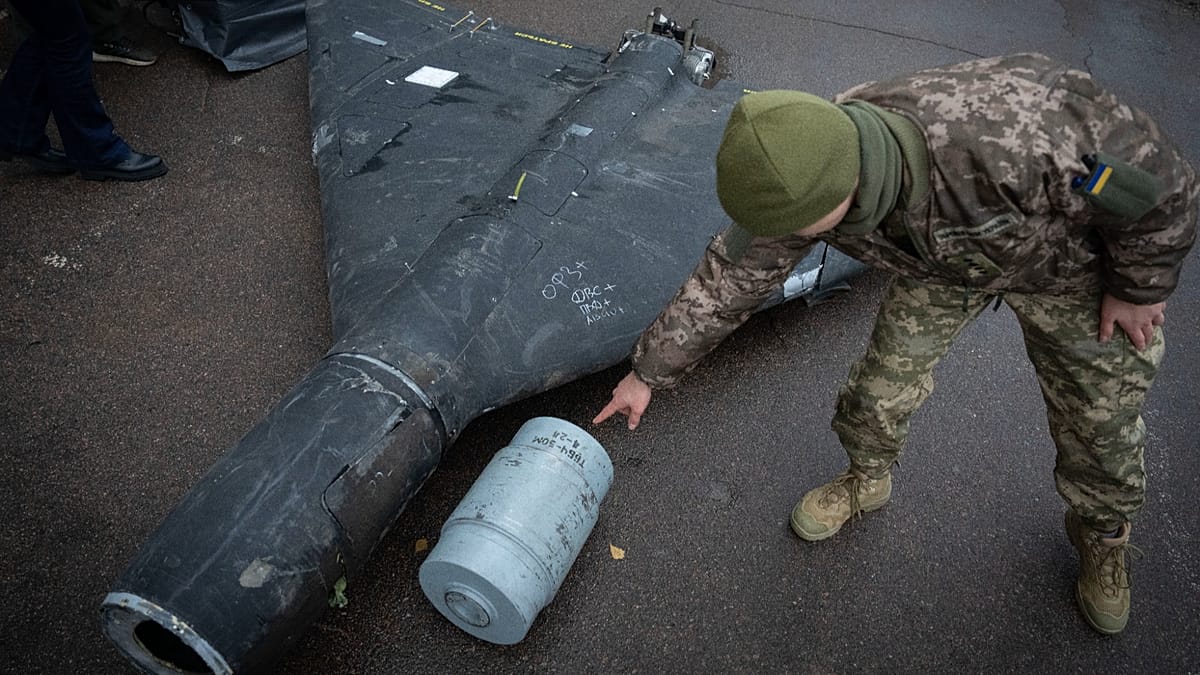
Russia’s use of the Iranian-designed Shahed drone has been a major feature of the war in Ukraine. Yet, an expert in Russia’s full-scale invasion told Euronews’ Alice Tidey that the crisis unfolding in the Middle East is not expected to have a major impact on Russia’s drone capacities.
“Unfortunately for Ukraine, the Iran war will have a negligible impact on Russia’s strike capabilities,” John Hardie, deputy director of the Russia Program at the Foundation for Defence of Democracies, told Alice.
“While Iran initially provided drones directly to Russia, since 2023, Russia with Iran’s help has launched localised production of drones,” he added.
According to official Ukrainian data, Russia launched more than 54,500 Shahed-type drones against Ukraine in 2025, including 32,200 Shahed-type strike drones. Moscow also started testing newer versions of the drones.
Another analyst, Dmytro Zhluktenko of the Ukrainian military’s Unmanned Systems Forces, told Alice that other modifications Russia has provided to the Shahed include repainting airframes for night-time launches, incorporating 4G modems with foreign sim cards (including from Ukrainian operators), fitting a jet engine onto the UAV to avoid interceptions, and using air-to-air missile launchers to tackle interceptors.
Zhluktenko also pointed out that most of the components they have identified come not from Iran but from China, Germany, Switzerland, Japan, the United States, and other Western countries.
Alice has the full story.
More from our newsrooms
Middle East flights: First departures bring slight relief amid global aviation turmoil. Several international airlines cautiously resumed a small number of flights from the United Arab Emirates on Monday, offering some relief for travellers caught up in Middle East airspace closures due to the conflict between the US-Israel and Iran. Sertac Aktan and Michael Starling have the details.
Why the Strait of Hormuz is crucial to global oil and maritime trade. The Strait of Hormuz is a key shipping lane linking the Gulf to global markets, with a large share of the world’s oil and gas passing through it daily. Disruptions caused by tensions between Iran, the US and Israel risk affecting energy supplies and international trade. Watch.
Macron orders nuclear warhead increase and unveils ‘forward deterrence’ plan for Europe. Speaking from France’s ballistic-missile submarine base in Brittany, the French president said he “will never hesitate” to protect the country’s “vital interests” and promised “circumstantial deployments” with European allies. Sophia Khatsenkova has more.
We’re also keeping an eye on
- Dutch Prime Minister Rob Jetten meets European Commission President Ursula von der Leyen and European Parliament President Roberta Metsola in Brussels.
- Von der Leyen and Council President António Costa meet with the President of the European Central Bank Christine Lagarde and Eurogroup President Kyariakos Pierrakakis.
- European Investment Bank Group Forum kicks off in Luxembourg.
That’s it for today. Alice Tidey contributed to this newsletter. Remember to sign up to receive Europe Today in your inbox every weekday morning at 08.30.
Read the full article here