







Good morning. I’m Mared Gwyn with the last newsletter of the week. Welcome to Friday.
Ahead of critical nuclear talks between the US and Iran today in Oman, former Israeli Prime Minister Ehud Olmert told our correspondent Shona Murray that the US shouldn’t “underestimate” Tehran’s “cunning” negotiating tactics. We lead below with more from that interview.
Meanwhile, US-mediated talks between Ukraine and Russia in Abu Dhabi yesterday resulted in the swapping of 314 prisoners of war. While Ukraine’s President Volodymyr Zelenskyy described the negotiations as “constructive,” our Ukraine correspondent Sasha Vakulina reports that Moscow’s maximalist territorial demands remain a major sticking point.
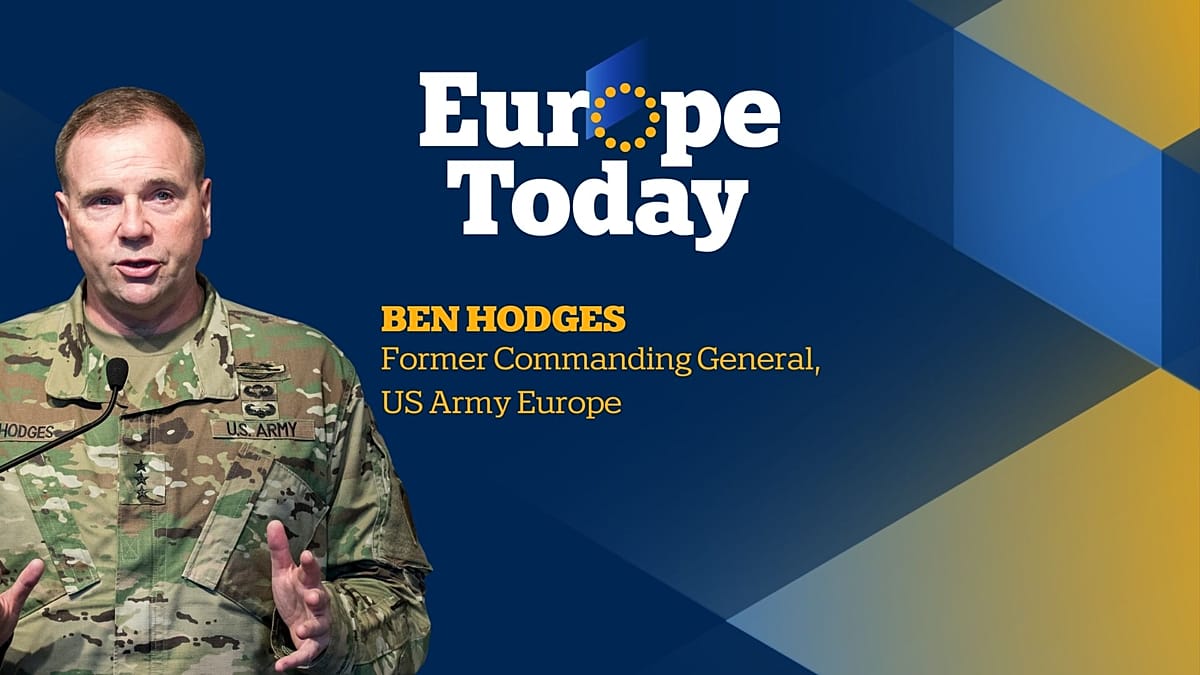
Speaking live to Europe Today earlier, former commander of US Army Europe, General Ben Hodges, said that Russia “has not changed any of their maximalist demands,” and that the US “has never cared about the origin of the conflict,” rather seeing talks as a “giant real-estate deal.” Watch.
In Brussels, EU ambassadors were expected to have a first presentation of the 20th package of sanctions against Russia later today, intended to further suffocate Moscow’s war chest. But it remains unclear whether the Commission will delay the unveiling of the texts until next week.
Europe continues to be sidelined from the Ukraine peace talks despite French President Emmanuel Macron’s push to re-open diplomatic channels with the Kremlin.
Last night, Russia’s Foreign Minister Sergei Lavrov blasted Macron’s decision to send his diplomatic advisor Emmanuel Bonne to the Kremlin earlier this week as “pathetic diplomacy”, telling the French leader: “If you want to call and have a serious conversation, then call. Putin will always pick up the phone.”
The chiefs of the European Commission and European Council were in Paris yesterday to huddle with Macron at the Élysée Palace for talks on “security” and “competitiveness” – focused on preparations for an upcoming leaders’ summit focused on restoring Europe’s competitive edge vis-a-vis global giants.
Macron’s message was clear: plus vite! The French leader wants Europe to “invest, diversify and simplify, faster” in order to get back in the game in a rapidly-shifting climate of global tensions.
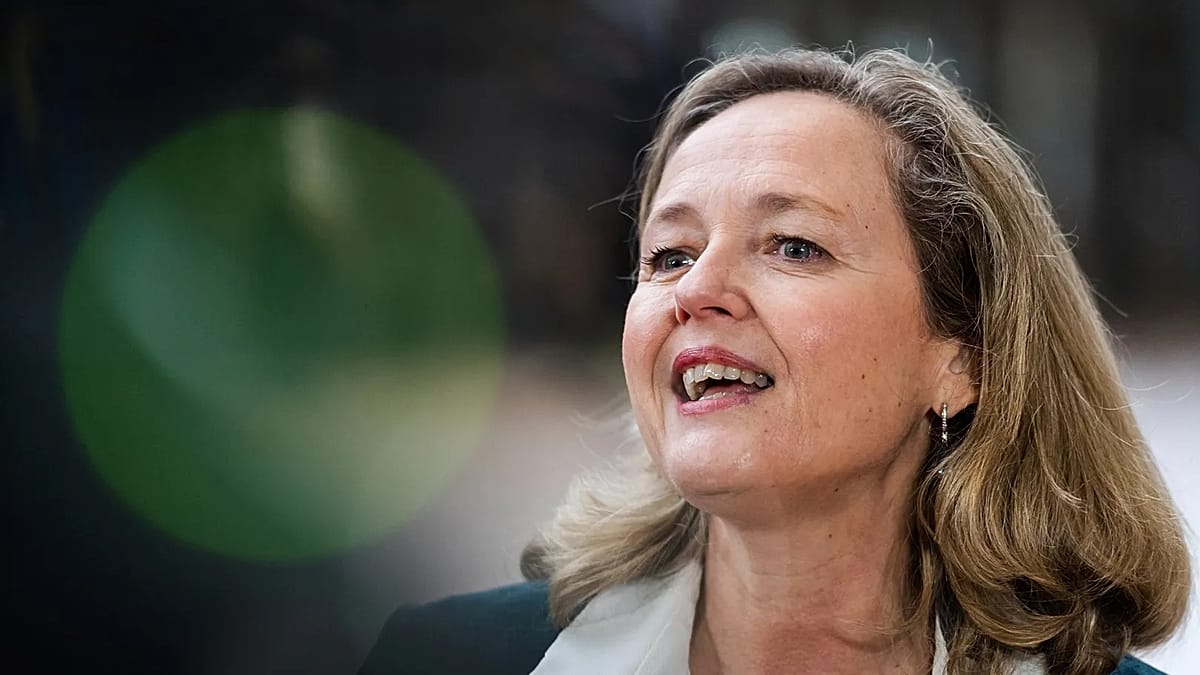
Ahead of the gathering on the Belgian-Dutch border next Thursday, European Investment Bank (EIB) chief Nadia Calviño once again urged the EU to create a single EU financial system, known as the Savings and Investments Union.
‘Regime change in Iran should come from within’ – former Israeli PM Olmert
Former Israeli Prime Minister Ehud Olmert has told Euronews’ Shona Murray that the regime in Iran can only “collapse from within, not from the outside.”
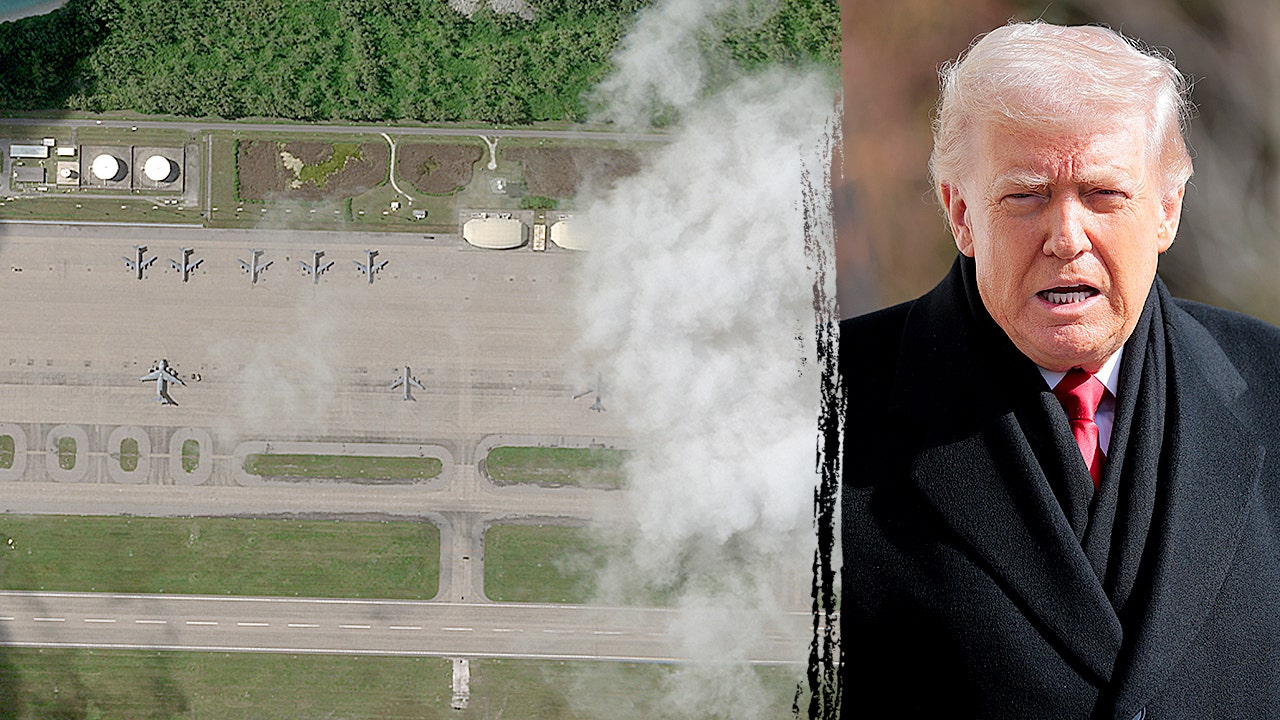
“With all the respect that I have for President Trump and his threats, I don’t think that even a massive American attack will change the regime,” Olmert told Shona in an interview on Thursday. “In the end, it will be changed from within by the people of Iran. And that, I certainly hope, but I hope that it will be done without a massive number of Iranian citizens being killed by the (Iranian) leadership.”
Olmert cautioned the US not to underestimate Tehran’s negotiating tactics ahead of nuclear talks in Oman later today.
“Don’t underestimate the Iranians. They are smart, they are cunning, they’re manipulative, and they are playing a game,” Olmert said. “They are experts. The greatest negotiators on earth are the Iranian. And naturally, of course, they want to avoid any further military attacks by the United States.”
Weighing in on the situation in the occupied West Bank, Olmert said that the situation is “entirely different” to Gaza because “Israel is in total control, and no one can blame anyone else but the Israelis that live in the West Bank and the government that supports them” for “perpetrating inhuman hostilities against non-involved Palestinians.”
“This is something that comes close to an attempt to make ethnic cleansing,” the former Israeli PM said.
Watch Olmert’s interview and Shona’s analysis on our live show.
Trump declares ‘total endorsement’ of Orbán ahead of Hungarian election
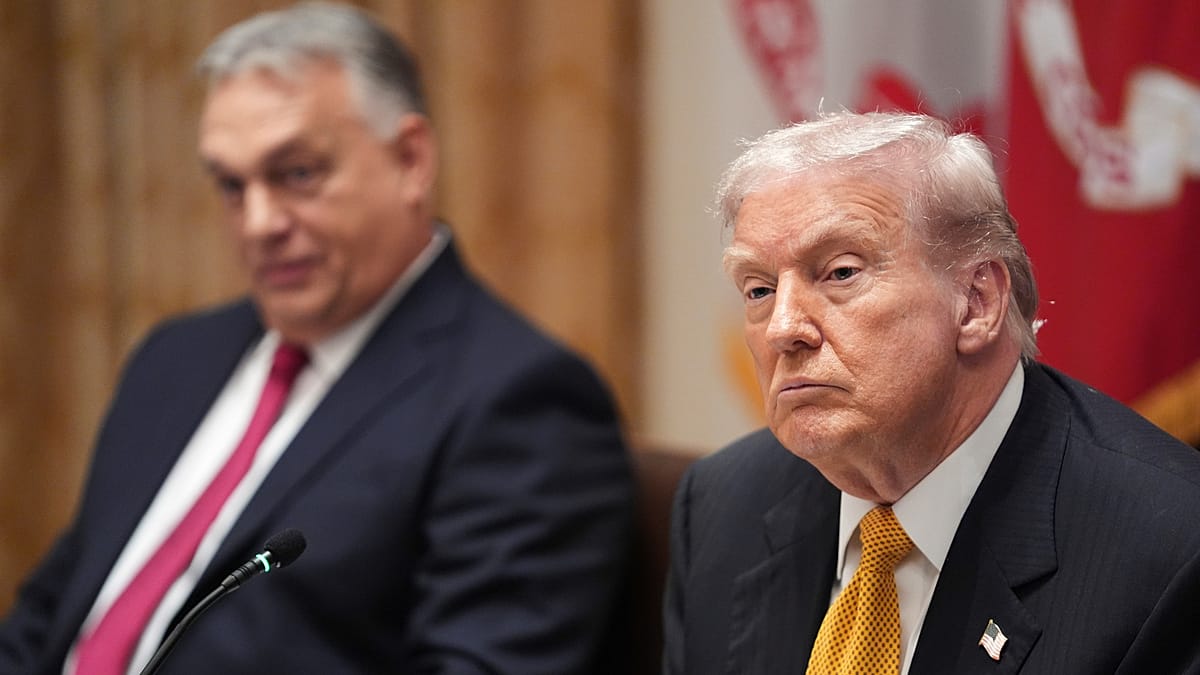
US President Donald Trump has endorsed Hungarian Prime Minister Viktor Orbán ahead of the highly consequential Hungarian election in April.
Orbán is facing his most momentous political challenge after fifteen uninterrupted years in office, with centre-right challenger Peter Magyar of the TISZA party – a former Orbán ally – leading the polls.
Posting on his Truth Social platform, Trump described Orbán as a “true friend, fighter, and WINNER,” adding that the Hungary-US relationship had reached “new heights” under their collaboration.
Key figures from the Trump administration, notably Vice-President JD Vance, have forged ties with Europe’s far-right factions, including Germany’s AfD, whose leader Alice Weidel met Vance following a blistering speech attacking European leaders at the Munich Security Conference a year ago.
Trump also controversially backed Argentina’s Javier Milei for re-election last October, when US Treasury Secretary Scott Bessent vowed a $20 billion currency swap line to stabilise the peso, in a move described by many as a bailout.
A controversial US national security strategy published last December also stated that the administration would “reward and encourage (Europe’s) governments, political parties, and movements broadly aligned with our principles and strategy.”
Sándor Zsiros has more.
Portugal heads for presidential run-off with Socialist tipped to beat far-right opponent
Voters in Portugal head to the polls on Sunday to elect a President in the first time that the ballot has entered the run-off stage in 40 years, signalling an increasingly fragmented political landscape.
Moderate Socialist candidate António José Seguro is poised to sweep to victory, polls suggest, after several Conservative politicians threw their weight behind him in a bid to curb his far-right rival, André Ventura of the anti-establishment Chega (Enough) party.
While the role is largely ceremonial, centrist politicians have voiced fears that Ventura could capitalise on the role to position himself for government. One poll now puts Seguro in the lead at 67% of the voting intention compared to Ventura’s 33%.
Concern is mounting however over the impact of devastating floods caused by Storm Leonardo, which has already claimed one life and forced hundreds to evacuate their homes. The Portuguese government has extended the state of emergency until February 15.
Portuguese media report that Ventura has called for the vote to be postponed by a week in order to ensure safety, framing the issue as “a matter of equality among all Portuguese”. The national electoral authority says the election will go ahead as planned.
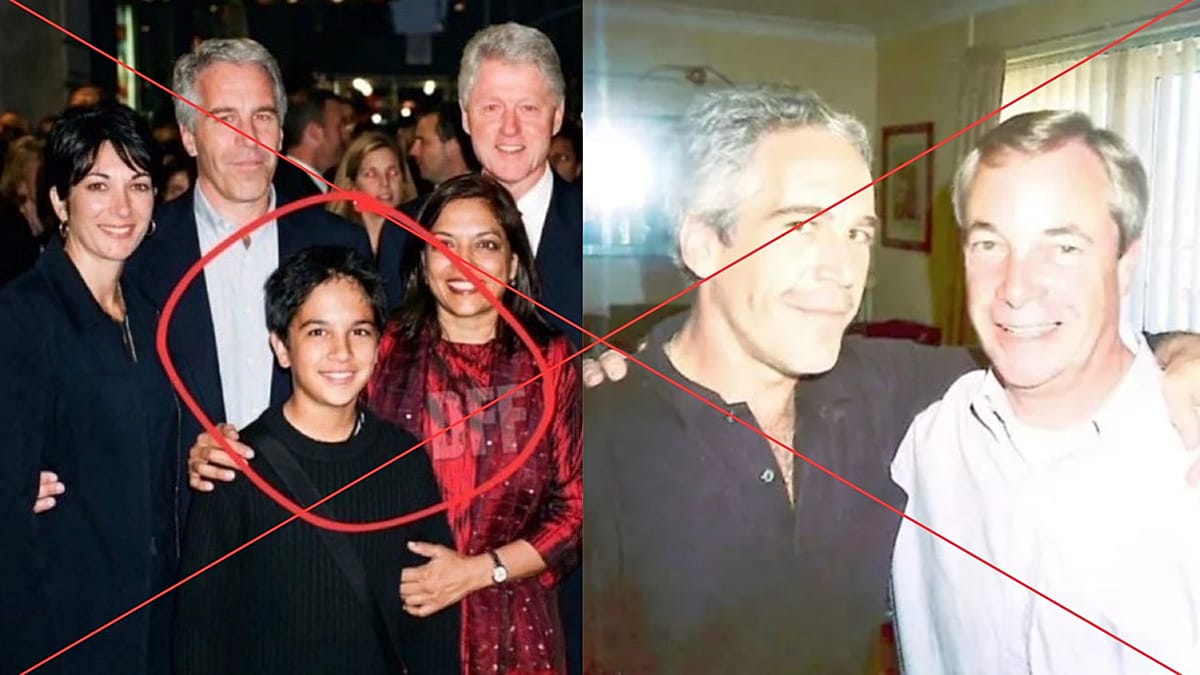
Europe in the Epstein files: How far is the continent’s political elite implicated?
The US Department of Justice’s release of more than three million additional documents linked to convicted sex offender Jeffrey Epstein has triggered resignations and accusations across Europe over his relationships with members of the continent’s political elite, my colleague Tamsin Paternoster reports.
The new tranche of material includes images, emails and texts illustrating Epstein’s extensive network of contacts. The DOJ deemed these documents as potentially relevant to the investigation into Epstein and his collaborator, Ghislaine Maxwell, but insufficient to bring a case against those mentioned in them. Nevertheless, the files implicate a number of unexpected public figures in Epstein’s web.
French President Emmanuel Macron has become a focal point for online claims suggesting he sought business or political guidance from Epstein. The documents contain hundreds of references to Macron, but most are indirect mentions in media clippings or political discussions. A handful of exchanges suggest Epstein attempted to connect with Macron through intermediaries, but there is no evidence that the pair ever directly communicated.
They also reveal more sustained contact between Epstein and former French culture minister Jack Lang, his daughter, film producer Caroline Lang, former Norwegian foreign minister Børge Brende and prime minister Thorbjørn Jagland. Text messages show former Slovakian Foreign Minister Miroslav Lajčák discussing women with Epstein.
In Jagland’s case, documents show him communicating with Epstein during his time as secretary general of the Council of Europe. In one exchange, Epstein claimed Jagland would be visiting his private Caribbean island, while other messages reference potential meetings and personal conversations. Jagland has denied having knowledge of Epstein’s crimes.
Tamsin has the details.
More from our newsrooms
EIB to frontload €3bn to mitigate impact of EU’s carbon tax on road transport and buildings. The funds come after pressure from the European Parliament to address likely increases in energy bills. Marta Pacheco has more.
Council of Europe chief calls for political and financial backing of Ukraine Special Tribunal. Alain Berset urged governments to chip in with financial contributions to ensure those responsible for aggression in Ukraine can be prosecuted, saying the Special Ukraine Tribunal is “much bigger than we are.” More.
We’re also keeping an eye on
- EU environment and climate ministers gather for informal talks in Cyprus
- Iran-US talks take place in Oman
That’s it for today. We’ll be back on Monday. Shona Murray, Maria Tadeo, Jorge Liboreiro, Sasha Vakulina, Sandor Zsiros and Tamsin Paternoster contributed to this newsletter. Remember to sign up to receive Europe Today in your inbox every weekday morning at 08.30.
Read the full article here