










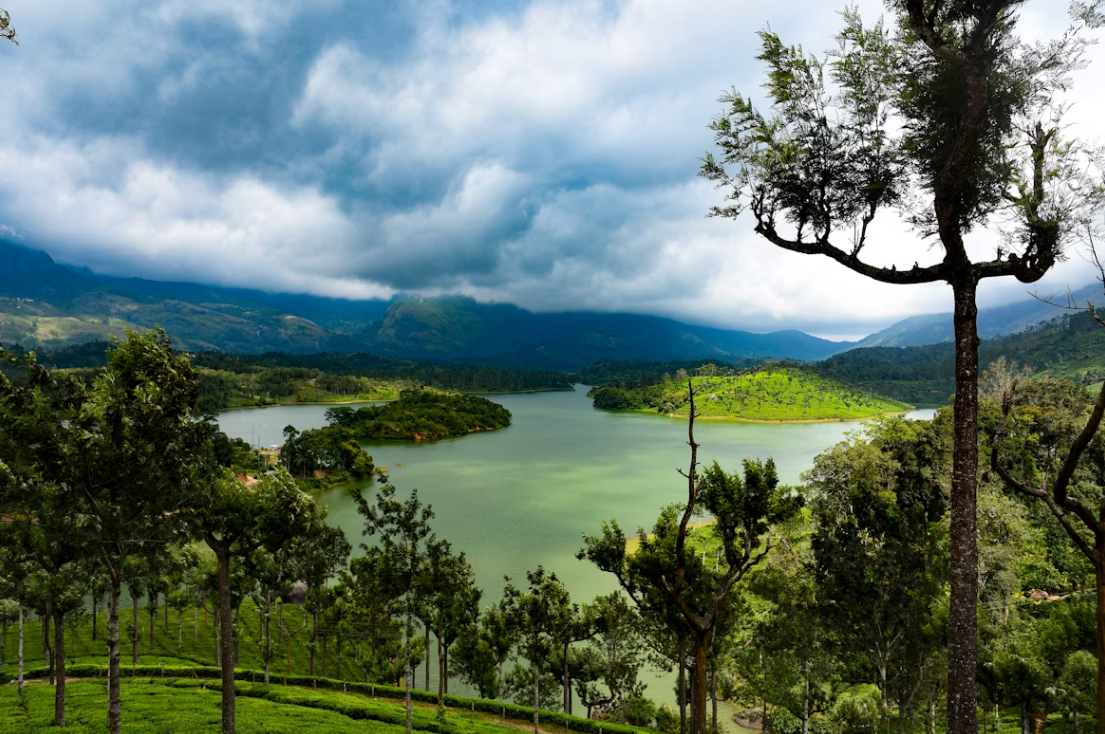
Nestled high in the Western Ghats, Munnar stands as one of India’s most captivating hill stations, where rolling tea gardens merge with mist-shrouded peaks and the gentle murmur of mountain streams fills the air. This idyllic retreat in Kerala has long been celebrated for its unspoiled beauty, pleasant climate, and old-world charm. Its tranquil landscapes offer a welcome respite from the hum of city life, making it an ideal destination for those seeking peace, reflection, and a deeper connection with nature.
The Spirit of Munnar
Perched at an altitude of approximately 1,600 metres, Munnar is surrounded by lush valleys and undulating hills carpeted with tea plantations. The very name “Munnar” is derived from the Malayalam word for “three rivers,” referencing the confluence of the Mudrapuzha, Nallathanni, and Kundala streams. These waterways converge at the town’s heart, symbolising the harmony between land, water, and life that defines the region.
Originally developed during the British colonial era as a summer resort, Munnar still bears traces of its colonial past. Graceful bungalows with sloping roofs, stone churches, and well-kept gardens evoke the elegance of another age. Yet beyond its heritage charm, Munnar remains deeply rooted in its natural rhythms, shaped by the seasons and the people who call it home.
The Endless Green of Tea Country
The vast tea estates of Munnar are its most defining feature. The hills appear as a tapestry of bright green, with meticulously pruned tea bushes stretching as far as the eye can see. Introduced by British planters in the late nineteenth century, tea cultivation transformed Munnar into one of South India’s most productive plantations. Today, it is also one of the most picturesque.
A visit to the Tea Museum provides insight into this legacy, tracing the evolution of tea from colonial times to modern-day production. Visitors can observe the process of withering, rolling, fermenting, and drying, before sampling a cup of freshly brewed local tea. The experience captures the essence of the hill station—authentic, aromatic, and steeped in tradition.
Morning walks through the estates are particularly enchanting. The soft rustle of tea leaves, the scent of damp earth, and the sight of mist rising from the valleys create a serene atmosphere that is impossible to replicate elsewhere. For photographers and nature lovers, these moments offer endless inspiration.
Nature’s Canvas: Munnar’s Top Attractions
Munnar’s charm lies in the variety of its landscapes, from lofty peaks to placid lakes and wild forests teeming with life. Every turn reveals a different shade of green and a new story written by nature itself.
Eravikulam National Park
A short drive from the town centre lies Eravikulam National Park, a protected area that shelters the endangered Nilgiri Tahr. Spanning nearly one hundred square kilometres, the park’s rolling grasslands and shola forests are a haven for biodiversity. It also houses Anamudi Peak, the tallest mountain in South India, which stands at an imposing 2,695 metres. The summit, often veiled in mist, provides sweeping views of the Western Ghats and the valley below. The park is also famed for the rare Neelakurinji flower, which blooms once every twelve years, covering the hillsides in a spectacular carpet of violet-blue.
Mattupetty Dam and Lake
Mattupetty Dam, surrounded by dense forests and tea gardens, is a peaceful destination known for its placid waters and scenic backdrop. The adjoining lake is popular for boating and picnics, offering visitors the chance to enjoy the gentle rhythm of nature. Nearby, the Indo-Swiss Dairy Farm demonstrates innovative agricultural practices, giving an interesting glimpse into Munnar’s sustainable initiatives.
Echo Point
At Echo Point, sound waves bounce back from the surrounding hills, creating a natural echo that delights visitors of all ages. The phenomenon, combined with the panoramic views of mist-clad valleys and lush forests, makes it one of the region’s most photographed locations. The area also serves as a perfect spot for leisurely walks, surrounded by wildflowers and the soft calls of distant birds.
Kundala Lake
Located at an altitude of about 1,700 metres, Kundala Lake exudes tranquillity. It is less crowded than other attractions, offering solitude and reflection. The lake is fringed by forests and rolling meadows, where visitors can enjoy pedal boating or simply admire the reflection of clouds drifting across the water. During certain years, the surrounding slopes bloom with the exquisite Neelakurinji, enhancing the lake’s already mesmerising charm.
Attukal Waterfalls
Between Munnar and Pallivasal lies Attukal Waterfalls, a cascade that becomes especially majestic during the monsoon season. The gushing water flows through rugged cliffs and dense greenery, creating a soothing symphony. The site is a popular stop for trekkers, offering trails that wind through the surrounding hills and forests.
Adventure and Outdoor Pursuits
While Munnar is synonymous with calm, it also invites adventure. The landscape, with its varied elevations and forested trails, provides opportunities for trekking, cycling, and rock climbing. The trek to Meesapulimala, the second-highest peak in the Western Ghats, rewards hikers with panoramic views and a sense of triumph that only nature can bestow.
Jeep safaris through the tea estates and spice gardens offer a thrilling way to explore offbeat paths, while birdwatchers are drawn by the chance to spot species unique to the region, such as the Nilgiri flycatcher and the Malabar whistling thrush. These experiences remind every traveller that Munnar is not only about stillness—it is also about discovery.
Flavours of the Hills
The cuisine of Munnar reflects Kerala’s culinary traditions, infused with mountain freshness and local produce. Fragrant spices, creamy coconut, and earthy flavours define the food served across its homestays, resorts, and small eateries. Dishes such as vegetable stew with appam, Kerala-style fish curry, and spicy chicken roast are favourites among visitors.
The town’s spice markets are a sensory delight, filled with the aromas of cardamom, pepper, cinnamon, and clove. Many travellers take home packets of these spices, along with locally grown tea and homemade chocolates—a small piece of Munnar to savour long after the journey ends.
Accommodation: Among the Clouds
Accommodation in Munnar ranges from luxurious resorts perched on hilltops to quaint homestays tucked within tea gardens. Many of these properties blend seamlessly into their natural surroundings, offering panoramic views of the valleys and mist-covered peaks. For those seeking an immersive experience, eco-lodges and plantation stays allow guests to wake up to birdsong and the aroma of fresh tea leaves.
Hospitality in Munnar is warm yet unobtrusive, reflecting the local ethos of harmony with nature. Several establishments have adopted eco-friendly practices, such as rainwater harvesting, solar energy, and plastic-free operations, ensuring that comfort does not come at the cost of the environment.
Seasons of Serenity
Munnar’s beauty transcends the calendar, with each season offering a distinct experience.
- Summer (March to May) brings mild weather, making it ideal for sightseeing and outdoor exploration.
- Monsoon (June to September) cloaks the region in lush greenery, as waterfalls swell and the air becomes rich with the scent of rain.
- Winter (October to February) offers crisp mornings and cool nights, perfect for trekking, photography, and quiet reflection.
For those seeking solitude, the period just after the monsoon offers an exceptional blend of verdant scenery and tranquillity, as crowds begin to thin and the hills glisten under a gentle sun.
Culture and Community
Beyond its landscapes, Munnar’s true charm lies in its people. The region is home to diverse communities, including the Muthuvan and Mannan tribes, whose traditions add depth to its cultural fabric. Their connection to the land is evident in the craftsmanship of local artisans and the rhythms of daily life.
Festivals such as Onam and Vishu are celebrated with enthusiasm, featuring music, dance, and grand feasts. Local markets come alive with colour during these times, as villagers and travellers mingle in a shared spirit of joy. Traditional art forms and folklore keep the region’s heritage alive, reminding visitors that Munnar’s beauty is as much human as it is natural.
Sustainability and Responsible Tourism
Munnar’s delicate ecosystem calls for careful stewardship. Efforts to promote sustainable tourism are evident throughout the region, with initiatives focused on waste reduction, biodiversity conservation, and support for local livelihoods. Responsible travellers are encouraged to minimise their footprint by avoiding plastic, respecting wildlife, and choosing eco-conscious accommodations.
Community-based tourism projects have also gained momentum, empowering local residents while offering visitors authentic experiences. From guided nature walks led by villagers to workshops on tea-making and spice cultivation, these initiatives ensure that tourism contributes positively to the environment and economy alike.
A Symphony of Senses
There is an almost meditative rhythm to life at Munnar in Kerala. The whisper of wind through the tea leaves, the play of sunlight on mist, and the distant sound of waterfalls together create a sensory harmony that soothes the mind. Each dawn reveals a fresh canvas of colour and texture, while each dusk leaves the horizon tinged with gold and violet.
The region’s unhurried pace invites contemplation and calm. It is a place where the modern traveller can disconnect from screens and schedules, and instead reconnect with nature’s timeless beauty. Whether viewed from a winding road, a hilltop resort, or the edge of a silent lake, Munnar embodies a sense of stillness that is increasingly rare in the modern world.
A Timeless Retreat
To describe Munnar as merely a travel destination would be to overlook its essence. It is, at its heart, a retreat—a sanctuary where one can rediscover balance and perspective. The hills, the mists, and the tea-scented air all seem to whisper the same message: slow down, breathe, and be present.
Munnar remains a symbol of Kerala’s natural grace and enduring tranquillity. For those in search of beauty unspoiled by haste, it offers more than scenery—it offers renewal. The journey may end, but the memory of Munnar’s quiet charm lingers, calling visitors back to its peaceful embrace, time and time again.