










A jury on Wednesday found that Meta and YouTube are liable for creating products that led to harmful and addictive behavior by young users, a landmark decision that could set a legal precedent for similar allegations brought against social media companies.
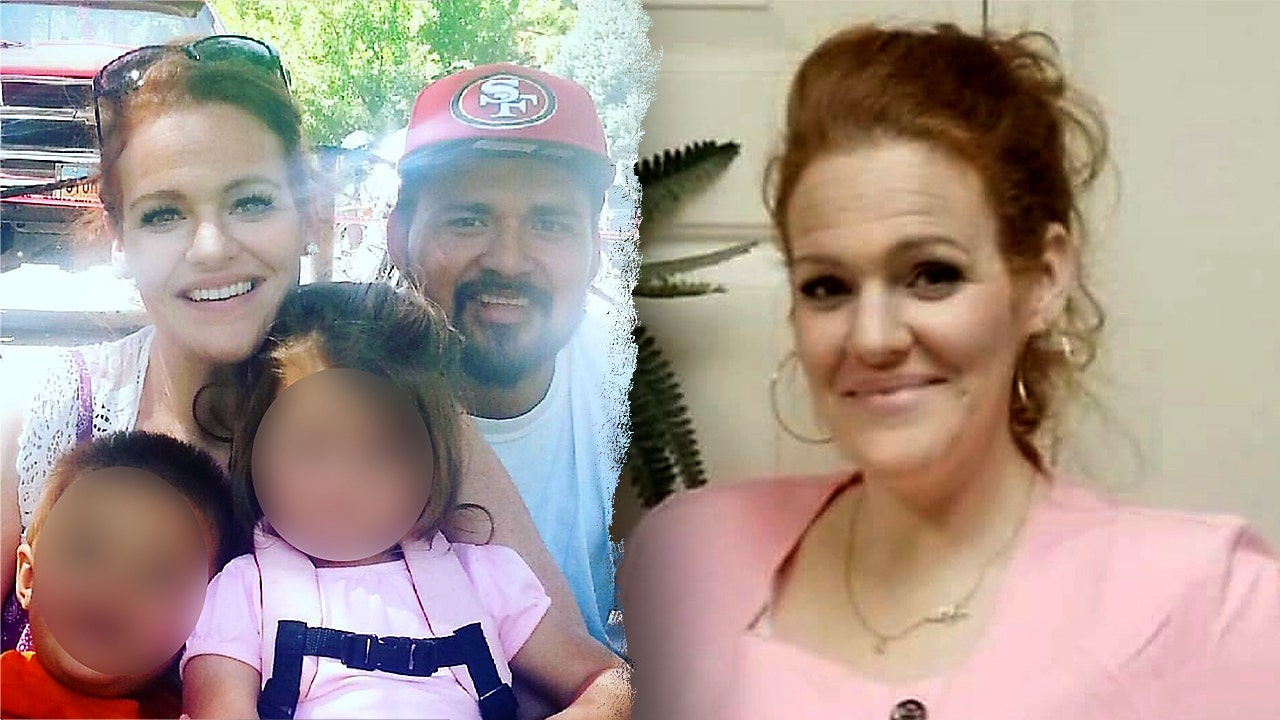
The jury voted to award $3 million in damages to the lead plaintiff in the case, a woman named Kaley — identified in court filings by her initials “KGM” — who alleged that using YouTube and Instagram from a young age led to addictive use of the platforms and contributed to her mental health problems, including depression, body dysmorphia and suicidal thoughts.
Jurors ruled that Meta and YouTube were negligent in how they designed and operated their platforms, factors that resulted in harm to the plaintiff. The jurors also found that the companies were aware that their platforms could have adverse effects on minors but failed to adequately warn users.
The jury also decided the companies acted with malice, oppression or fraud. This means they will hear new evidence shortly and head back into the deliberation room to decide on potential punitive damages against the companies.
The decision caps a weeks-long trial that put Meta CEO Mark Zuckerberg and Instagram head Adam Mosseri on the stand to defend their products in a case that drew comparisons to the tobacco industry lawsuits in the 1990s. Jurors deliberated in a Los Angeles courtroom for nine days for a total of more than 40 hours, at one point telling the judge that they were struggling to reach a consensus on one of the defendants.
Although the jurors were not unanimous in their decision, a majority voted to hold both companies liable.
“We respectfully disagree with the verdict and are evaluating our legal options,” a Meta spokesperson told CBS News, noting that jurors were not unanimous in issuing the decision.
Google did not immediately respond to a request for comment about the verdict.
What “KGM” alleged
Kaley, now 20, brought the case against Meta, which owns Instagram and Facebook, and Google-owned YouTube in 2023. TikTok and Snapchat parent Snap were named in the original complaint, but settled before the trial began in late January.
During her testimony, Kaley described spending all day on social media and getting an emotional “rush” from likes and notifications, keeping her glued to her phone.
Kaley’s attorney, Mark Lanier of Lanier Law Firm, did not immediately respond to a request for comment. Throughout the trial, Lanier argued that Meta and YouTube were aware that their social media products harmed children, but continued to prioritize profits over safety.
Meta and YouTube faced two main allegations: negligence and failure to warn users of the potential health risks from using the platforms.
Social media companies have long deflected such accusations by taking legal refuge behind Section 230, a clause in the 1996 Communications Decency Act that protects internet companies from liability for third-party content posted on their platforms.
This case, however, centered around how the apps are designed, not the content itself.
On Tuesday, in another first-of-its-kind case, a New Mexico jury found Meta violated state child exploitation laws and ordered the company to pay $375 million in civil penalties. The decision came after just a day of deliberations.
Meta spokesperson Andy Stone said in a post on X that the company plans to appeal that decision, and that “we will continue to defend ourselves vigorously, and we remain confident in our record of protecting teens online.”
New Mexico is the first state to win a case against a major tech company for harming young people.
The companies’ defense: Don’t blame social media
During the Los Angeles trial, Meta and YouTube denied that Kaley’s use of social media led to her mental health issues. The companies also argued that her family history, difficulties at home and school and learning disabilities played a more significant role in her psychological and emotional struggles.
“Not one of her therapists identified social media as the cause,” a Meta spokesperson said in a statement to CBS News earlier this month.
Several mental health specialists who treated Kaley testified during the trial, including Victoria Burke, a former therapist who worked with the plaintiff in 2019. During her testimony, Burke said that social media and Kaley’s sense of self “were closely related,” adding that activity on the platforms could “make or break her mood.”
Attorneys representing the technology companies also argued that Kaley turned to their platforms as a coping mechanism or a means of escaping her mental health struggles.
Key questions at trial
The driving question behind the trial was whether Meta and YouTube designed their products to be addictive. When Zuckerberg and Instagram’s Mosseri took the stand in February, they faced questions over whether the companies deliberately sought to increase the amount of time users spent on their platforms.
Zuckerberg, who co-founded Facebook, was also asked about Instagram’s age restrictions and whether the platform does enough to prevent underage people from accessing the app. Kaley claimed she started using Instagram at age 9 and YouTube at 6.
Instagram says it requires users to be at least 13 years old to create an account. However, Zuckerberg said during his testimony that the rule can be difficult to enforce because there are “a meaningful number of people who lie about their age to use our services.”
The plaintiff’s legal team also pressed Zuckerberg and Mosseri over Instagram’s beauty filters, which they said played an important role in Kaley’s social media use. During her testimony, Kaley said she did not experience the negative feelings associated with her body dysmorphia diagnosis before she began using social media and filters.
Opening the legal floodgate?
Legal experts said the jury’s decision could have implications for thousands of other lawsuits alleging harm by social media companies.
Clay Calvert, a nonresident senior fellow of technology policy studies at the nonpartisan American Enterprise Institute, told the Associated Press that the trial will serve as a test case for potential damages in similar cases against social media players.
However, while such cases have elements in common, plaintiffs’ personal background and social media usage are unique and would likely affect any legal rulings, Calvert told CBS News in an email before the verdict was released.
“No two cases are exactly alike, so extrapolating from one case about how things will go in the next, and others, isn’t easy,” he said.